

When it comes to oral and dental aesthetics, one of the most frequently asked-about procedures is tooth reshaping. Particularly where mild crowding, pointed tooth tips, or minor irregularities that are aesthetically bothersome are involved, tooth reshaping stands out for its minimally invasive approach. So what exactly is this procedure, in which situations is it recommended, and who is it genuinely suitable for?
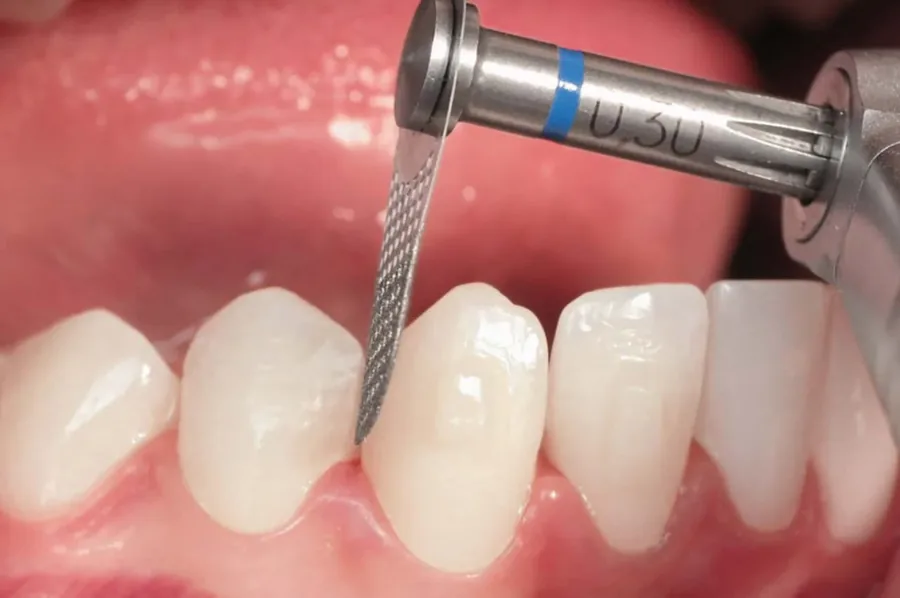
What Is Tooth Reshaping? A Scientific and Clinical Perspective
Tooth reshaping is the controlled removal of a very thin layer of tooth enamel. In the literature, this procedure is often referred to by terms such as “enameloplasty”, “interproximal reduction”, or “aesthetic contouring”. The core aim is to optimise the tooth's form while preserving its natural structure.
The procedure is generally carried out on a millimetre scale. Although enamel thickness varies from person to person, it averages around 2 to 2.5 mm. The amount removed during tooth reshaping is usually between 0.2 and 0.5 mm. For this reason, when properly planned, the procedure is regarded as a conservative approach.
Clinically, tooth reshaping is chosen for minor aesthetic corrections that don't require extensive restorations. In this respect, it is a less invasive alternative compared with veneers or crowns.
In Which Situations Is Tooth Reshaping Recommended?
Tooth reshaping is not suitable for everyone. It is generally considered for mild and limited aesthetic concerns. Here are the most common situations:
- Mild crowding
- Pointed or asymmetric tooth tips
- Slight length discrepancies in the front teeth
- Crowding between teeth
- Minor contact adjustments after orthodontic treatment
Tooth reshaping can be applied, in particular, to balance the contact points between teeth after orthodontic treatment. This allows the teeth to achieve a more harmonious arch form.
However, in cases of serious jaw discrepancies or severe crowding, tooth reshaping alone is not sufficient. In such cases, orthodontic treatment or restorative solutions are considered instead.
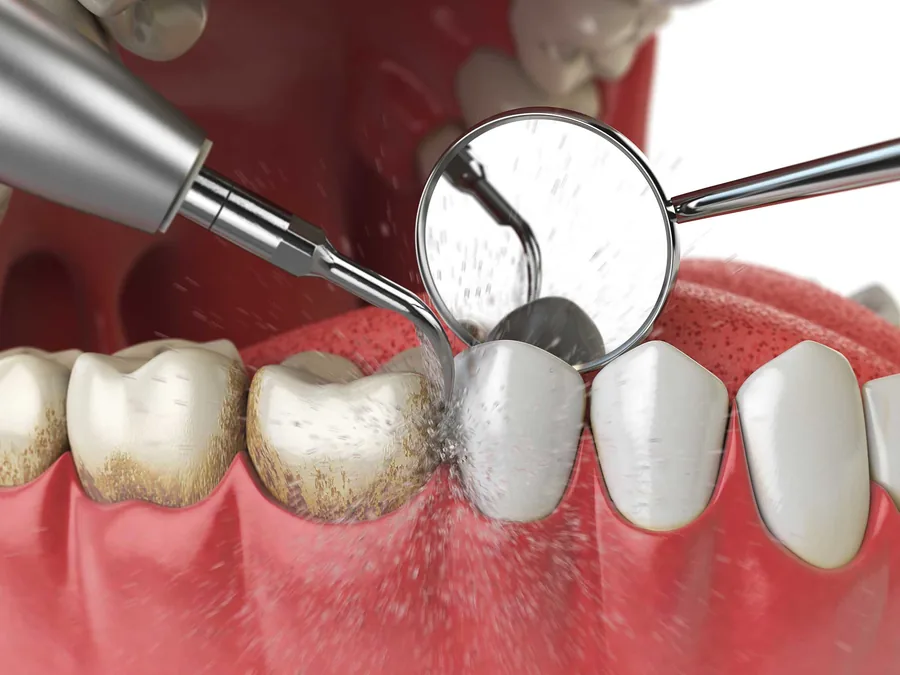
How Is Tooth Reshaping Performed? Stages and Technical Details
Tooth reshaping is generally a procedure that does not require local anaesthetic, since it is carried out only on the enamel layer, which contains no nerves. However, individual sensitivity can vary.
The procedure generally involves the following steps:
|
Stage |
Description |
|
Clinical assessment |
Tooth structure and enamel thickness are analysed |
|
Measurement and planning |
The amount of enamel to be removed is determined |
|
Reshaping |
Special burs or strips are used |
|
Polishing |
The surface is made smooth |
In modern clinics, digital measurement techniques allow tooth reshaping to be planned with greater precision. The reshaped area is then polished, bringing the tooth surface close to its natural sheen.
Is Tooth Reshaping Safe? An Analysis of Enamel and Sensitivity
One of the most common questions is whether tooth reshaping damages the tooth. Enamel tissue cannot regenerate itself, which means the procedure is irreversible. However, when properly planned, the amount removed is minimal.
Scientific literature shows that when tooth reshaping is carried out in a controlled manner, the rate of serious long-term complications is low. Nonetheless, in cases of excessive removal, the following risks could theoretically arise:
- Thinning of the enamel
- Increased sensitivity
- Surface roughness
- Increased risk of decay
For this reason, tooth reshaping must always be planned by an experienced dentist. At the Doctor Afra clinic, every case is assessed individually to avoid any unnecessary loss of enamel.
Who Is a Suitable Candidate for Tooth Reshaping?
Tooth reshaping may be considered particularly for the following profiles:
- Individuals with generally good oral health
- Patients with sufficient enamel thickness
- Those seeking minor aesthetic correction
- People who wish to avoid extensive restorations
Conversely, tooth reshaping may not be recommended for individuals with significant enamel loss. In people with a teeth-grinding habit, the long-term effects are also assessed with particular care.
When assessing candidacy, functional factors are considered alongside aesthetic ones, since tooth form is directly related to chewing forces.
The Process and Expectations After Tooth Reshaping
Patients can usually return to their daily routine immediately after tooth reshaping. As the procedure is minimally invasive, it requires no healing period, although mild sensitivity may be felt in the first few days.
The general principles recommended after the procedure are as follows:
- Avoiding excessively hard foods
- Limiting the use of abrasive toothpaste
- Attending regular dental check-ups
Aesthetically, tooth reshaping often delivers instantly visible symmetry. Small contour corrections made to the front teeth in particular can make a noticeable difference to the aesthetics of a smile.
Comparing Tooth Reshaping with Alternative Methods
Tooth reshaping is generally compared with the following procedures:
- Laminate veneers
- Composite bonding
- Zirconium crowns
- Orthodontic treatment
The key difference between them lies in the level of intervention. Tooth reshaping is one of the most conservative methods available. However, where there is discolouration, significant shape irregularities, or major structural loss, more comprehensive solutions may be considered.
What matters most here is a realistic assessment of aesthetic expectations, since tooth reshaping is ideal for small corrections but does not promise dramatic transformations.
Making an Informed Decision About Tooth Reshaping
When applied to the right case, tooth reshaping is a minimal procedure that can deliver balanced aesthetic and functional results. Because enamel tissue is limited and cannot be replaced, the planning stage carries great importance.
Doctor Afra assesses every patient according to their individual anatomical features and expectations, because when tooth reshaping is planned on a personalised basis, it can contribute to a natural-looking smile. However, this does not mean that every aesthetic request can be resolved with this method.
In conclusion, tooth reshaping stands out as a procedure that can make a big difference through small touches. An informed assessment process, the correct indication, and an expert approach form the fundamental building blocks of this treatment.
Book an appointment for your smile
Get in touch with us for your questions and treatment options.