Dental Implant Treatment is a modern dentistry procedure considered a long-lasting, functional and aesthetic option for replacing missing teeth. It is regarded as one of the most advanced methods developed today for people experiencing tooth loss. Thanks to the restoration placed on titanium screws that mimic the natural tooth root, both chewing function and aesthetic appearance can be restored.
Natural Tooth Function
Supports chewing and speech functions in a balanced way.
Bone-Preserving Structure
Helps preserve the volume and structural integrity of the jawbone.
Long-Term Durability
With proper planning, it can be used safely for many years.
Personalised Planning
Treatment is tailored to each individual's anatomical and functional needs.
What Is Dental Implant Treatment? Process, Benefits and Scientific Basis
Dental Implant Treatment is a modern dentistry procedure considered a long-lasting, functional and aesthetic option for replacing missing teeth. It is regarded as one of the most advanced methods developed today for people experiencing tooth loss. Thanks to the restoration placed on titanium screws that mimic the natural tooth root, both chewing function and aesthetic appearance can be restored.
What Is Dental Implant Treatment and How Does It Work?
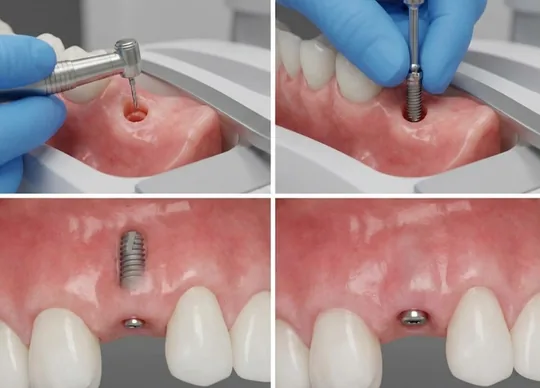
Dental Implant Treatment is based on the principle of mimicking the missing tooth root by means of biocompatible titanium screws placed into the jawbone. Over time, these screws fuse with the bone in a biological process known as osseointegration.
This integration between the bone and the implant surface forms the foundation of the treatment's long-term success. Modern implant surfaces have a micro-rough texture, which allows bone cells to attach to the implant more effectively. Thanks to the crowns or bridges fixed onto the implant, function that is closest to that of a natural tooth is achieved, without damaging neighbouring teeth as with conventional methods.
Who Is Dental Implant Treatment Suitable For?
Dental Implant Treatment can generally be applied to a wide range of patients, from a single missing tooth to complete tooth loss. However, the following criteria are critical in assessing suitability:
- Bone Volume: The jawbone must have sufficient height and width.
- Systemic Health: Conditions such as diabetes or heart disease must be kept under control.
- Oral Hygiene: A disciplined approach to post-treatment care is required.
- Habits: It should be taken into account that heavy smoking may affect healing.
Stages of Dental Implant Treatment
| Stage | Description |
|---|---|
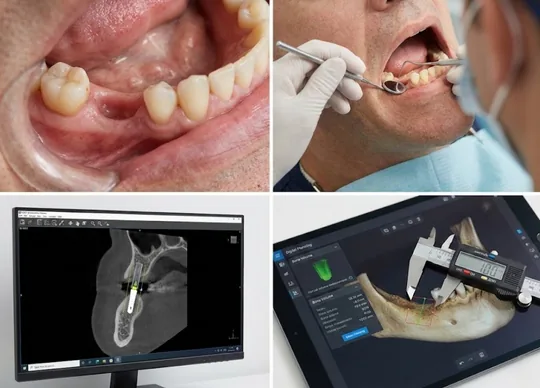
| Examination and Planning | A clinical and radiological (CBCT) assessment is carried out. |
| Surgical Placement | The implant is placed into the jawbone under local anaesthetic. |
| Osseointegration | The biological fusion process between the bone and the implant is allowed to take place. |
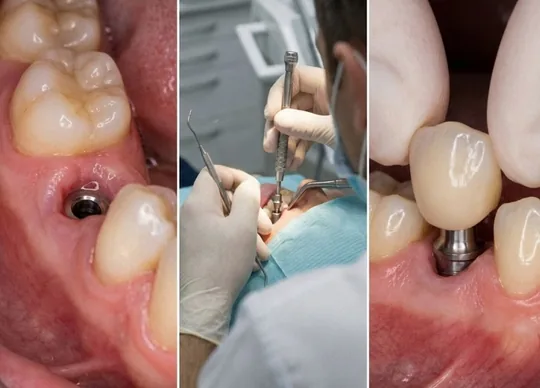
| Restoration Placement | The permanent aesthetic tooth restoration (crown/bridge) is fitted. |
Benefits and Scientific Advantages
Unlike conventional bridges, there is no need to cut down or reduce healthy neighbouring teeth.
By transmitting chewing forces directly to the bone, it prevents the bone resorption that occurs after tooth loss.
With proper planning and good oral hygiene, implants have the potential to last a lifetime.
It offers a natural feel by eliminating the sore spots and slipping problems caused by removable restorations.
Healing Process and Risk Management
Mild swelling in the first few days after implant placement is normal. Although the scientific literature indicates a success rate of over 90%, factors such as uncontrolled diabetes and inadequate oral care can increase the risk of complications. Regular dental check-ups are the key to long-term success.
Factors Affecting the Price
- The chosen implant brand and its country of origin.
- The need for a bone graft (bone powder) or sinus lifting.
- The restoration material to be used (zirconium, ceramic, etc.).
- The use of digital planning and a surgical guide.
💡 Expert Tip: The First 24 Hours
On the first day after the operation, you should avoid very hot foods, apply a cold compress externally to the area, and take the medication prescribed by your doctor without interruption. Keeping smoking to a minimum during healing directly improves the success of osseointegration.
A Scientific and Aesthetic Solution
In conclusion, Dental Implant Treatment is the most reliable method in modern dentistry for rehabilitating missing teeth. With proper planning and a multidisciplinary approach, it helps preserve both the aesthetics of your smile and your chewing health for many years to come.
Frequently Asked Questions
Dental implant treatment involves fitting a fixed or removable dental restoration by means of titanium screw-like structures placed into the jawbone in place of missing teeth. It provides a natural tooth feel, both aesthetically and functionally.
Adults with a healthy jawbone and sufficient bone density are suitable candidates for implant treatment. In people with gum disease or a serious systemic condition, these issues must be treated first.
The procedure is carried out under local anaesthetic, so no pain is felt during the treatment. Mild swelling or sensitivity may occur afterwards, but this usually resolves within a few days.
With proper oral hygiene and regular dental check-ups, implants can last a lifetime. The key requirement for a successful implant treatment is that the gum and bone tissue surrounding the implant remain healthy.
Soft foods should be preferred in the first few days after the procedure, and hot or hard foods should be avoided. Regular brushing, flossing and six-monthly check-ups extend the life of the implant and reduce the risk of complications.