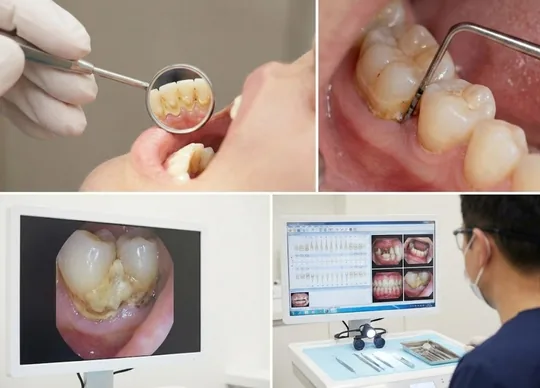
Dental scaling is a procedure that removes bacterial plaque, which accumulates on the tooth surface and hardens into mineralised deposits over time, using professional methods. These hardened deposits, which cannot be removed by daily brushing alone, are regarded as one of the most significant causes of gum disease.
Effective Cleaning
Hardened plaque deposits accumulated on tooth surfaces and along the gumline are removed in a controlled manner.
Gum Health
Helps reduce gum inflammation and bleeding.
Preventive Approach
Reduces the risk of more advanced periodontal problems developing.
Regular Maintenance
When performed at regular intervals, it supports the ongoing maintenance of oral health.
What Is Dental Scaling? The Importance of Professional Care in Oral Health
Dental scaling is a procedure that removes bacterial plaque, which accumulates on the tooth surface and hardens into mineralised deposits over time, using professional methods. These hardened deposits, which cannot be removed by daily brushing alone, are regarded as one of the most significant causes of gum disease.
Bacterial plaque forms continuously in the mouth. If this plaque is not removed regularly and effectively, it combines with minerals in the saliva and turns into tartar. Dental scaling is not merely an aesthetic procedure; it is a critical practice for preserving periodontal health.
What Is Dental Scaling?
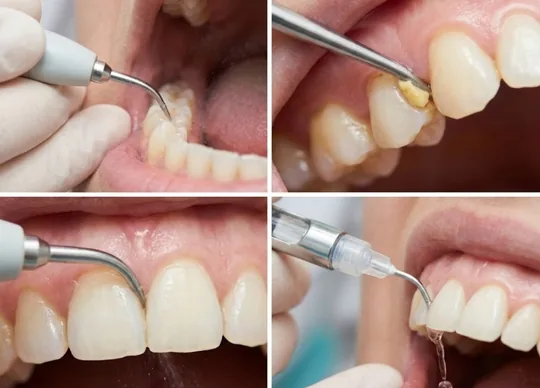
Dental scaling is the process of cleaning hardened plaque deposits attached to the tooth surface using ultrasonic devices and special hand instruments. In the medical literature, this procedure is referred to as scaling.
Tartar generally accumulates along the gumline and between the teeth. It can appear yellowish or brownish. Because these deposits harbour bacteria, they set the stage for gum inflammation.
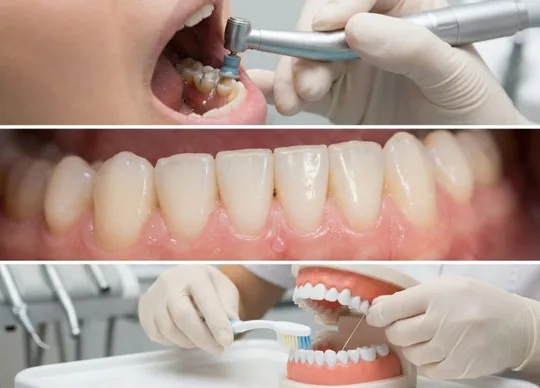
During professional dental scaling, the tooth surfaces are made smooth. This smoothness can make it harder for new plaque to form. The procedure is one of the fundamental preventive measures for maintaining oral health.
Why Is Dental Scaling Performed?
Dental scaling is performed to prevent gum disease and to bring existing inflammation under control. The presence of tartar is associated with symptoms such as gum bleeding and swelling.
When gum inflammation progresses, it can develop into periodontal disease, which may advance as far as bone loss and tooth loss. For this reason, regular scaling plays an important role in preserving long-term dental health.
Tartar can also cause bad breath, as the metabolic by-products of bacteria can lead to an unpleasant odour. A noticeable improvement in oral hygiene can be felt after cleaning.
- Helps reduce gum bleeding
- Lowers the risk of periodontal disease
- Helps prevent bad breath
- Helps reduce the risk of tooth loss
How Is Dental Scaling Performed?
Dental scaling is generally carried out using ultrasonic devices. These devices use vibration and a water spray to remove hardened plaque from the tooth surface.
During the procedure, the tooth surface and gumline are carefully cleaned. Where necessary, hand instruments are used to remove deposits from deeper areas.
After cleaning, a polishing procedure known as prophylaxis may be carried out. At this stage, the tooth surface is made smoother, which helps reduce the risk of plaque adhering again.
| Stage of Procedure | Description |
|---|---|
| Ultrasonic Cleaning | Removal of hardened tartar using vibration and a water spray |
| Hand Instruments | Cleaning deposits below the gumline and in hard-to-reach areas |
| Polishing | Polishing and smoothing the tooth surface |
How Long Does Dental Scaling Take?
The duration of dental scaling varies depending on the amount of tartar present, gum health, and the patient's overall oral hygiene. In individuals with mild plaque and tartar build-up, the procedure can usually be completed in 20 to 40 minutes. However, this timeframe applies only to cases involving surface-level deposits.
The procedure can take longer in cases of heavy tartar build-up, hardened calculus that has extended below the gumline, or the presence of periodontal disease. Where gum pockets are deep, root surface smoothing (root planing) may also be carried out. In such cases, cleaning may be divided across multiple sessions, which both improves patient comfort and allows for a more thorough clean.
In addition, people undergoing dental scaling for the first time generally have a greater build-up of deposits, whereas individuals who attend regular check-ups may find the procedure shorter and more comfortable. The exact duration is determined following a clinical examination.
What Should Be Done Before Dental Scaling?
No special diet or medical preparation is generally required before dental scaling. However, it is recommended to pay attention to oral hygiene beforehand. Having brushed your teeth on the day of the appointment increases comfort for both patient and dentist.
If the individual has a systemic condition, particularly diabetes, a heart condition, or an immune system disorder, the dentist must always be informed. Medications being taken are also important; in particular, individuals taking blood-thinning medication may experience more noticeable gum bleeding. Treatment is therefore planned accordingly.
If symptoms such as gum bleeding, swelling, or pain have been experienced recently, sharing this information is helpful for diagnosis and planning. A transparent and accurate patient history helps ensure the procedure proceeds safely and effectively.
What Should Be Done After Dental Scaling?
Mild gum sensitivity or bleeding may occur after dental scaling. This is generally due to the inflamed tissue settling once the tartar has been removed, and it decreases within a few days. Mild soreness in the gums may be felt during the first 24 hours.
After the procedure, it may be advisable to avoid very hot or very cold foods and drinks. Likewise, staying away from staining substances such as coffee, tea, and cigarettes for a short time can reduce surface staining. Because the tooth surfaces are smoother immediately after cleaning, they may be more susceptible to picking up pigment in the first few hours.
Continuing with oral hygiene is extremely important. Brushing and flossing should not be interrupted. In fact, consistent cleaning habits help slow down the formation of tartar. If sensitivity occurs, desensitising toothpastes recommended by the dentist can be used.
How Often Should Dental Scaling Be Performed?
The frequency of dental scaling is specific to each individual. The general recommendation is a check-up and professional cleaning every six months, although this interval is not fixed for everyone. In some people, tartar can form much more quickly.
Smoking, dry mouth, saliva composition, and genetic predisposition can all affect how quickly tartar forms. In addition, individuals undergoing orthodontic treatment may experience greater plaque build-up, meaning more frequent cleaning may be required.
For individuals who have previously had gum disease, periodontal maintenance every 3 to 4 months may be recommended. The aim is not only to remove existing tartar but also to regularly monitor gum health. A preventive approach can reduce the need for more advanced treatment later on.
Is Dental Scaling Harmful?
There are some common misconceptions about dental scaling. One of the most frequently heard claims is that it damages the enamel. In fact, professional cleaning performed with the correct technique and appropriate equipment does not harm the enamel.
Ultrasonic devices target only the hardened plaque deposits; they do not wear away healthy enamel. The sensitivity felt after the procedure arises from the exposure of the tooth surface that had been covered by tartar. This is generally temporary.
Scientific studies show that regular dental scaling is effective in preventing gum disease. If cleaning is not carried out, inflammation can progress and lead to problems extending as far as bone loss. For this reason, dental scaling is not harmful — on the contrary, it is a preventive procedure.
Dental scaling is not merely an aesthetic procedure; it is a fundamental professional care method aimed at preserving gum health. Removing hardened plaque deposits plays a critical role in preventing gum disease.
Long-term oral health can be supported through regular check-ups and professional cleaning procedures. When combined with good individual hygiene habits, a healthy and comfortable oral environment can be maintained.
Frequently Asked Questions
Dental scaling is the professional removal of plaque and mineralised tartar that builds up on the tooth surface. The procedure is carried out at regular intervals to protect gum health and reduce the risk of decay and inflammation.
It is recommended for all adults, and is particularly important for those experiencing gum bleeding, bad breath, or gum sensitivity. Regular cleaning is one of the most effective ways to prevent gum disease.
Dental scaling is generally a painless procedure. In some cases, mild gum sensitivity or temporary discomfort may occur, although local anaesthesia is rarely needed during the procedure.
It is generally recommended every six months as a routine measure. Since tartar can form more quickly in some individuals, the frequency may be increased based on the dentist's recommendation.
Teeth may be briefly sensitive after cleaning. Gum health can be maintained through regular brushing, flossing, and the oral care products recommended by the dentist. It is helpful to avoid hard and sticky foods for a short period.