

When it comes to oral and dental health, mouthwash is one of the products many people include in their daily care routine. Used alongside brushing and flossing, mouthwash has been developed to support oral hygiene, freshen breath and help reduce bacterial load. However, there are still many questions surrounding the ingredients of these products, how they should be used, and when they are actually recommended.

What Is Mouthwash and How Does It Work?
Mouthwash is a liquid oral care product that generally contains antiseptic, antibacterial or fluoride ingredients. Its main purpose is to help reduce microorganisms in areas that a toothbrush cannot reach. The balance of bacteria in the mouth is an important factor in tooth decay and gum problems. For this reason, using mouthwash is considered a step that supports mechanical cleaning.
When mouthwash is swished around the mouth, its active ingredients come into contact with the tooth surface, the gums and the tissue of the tongue. Antiseptic ingredients target the bacterial cell wall, while fluoride-containing formulas can help strengthen enamel. However, these effects can vary depending on the type of product and the duration of use.
Scientific studies have reported that regular mouthwash use can reduce plaque formation and ease the symptoms of gum inflammation. Nevertheless, these products should not be viewed as a standalone treatment. A holistic approach to oral care is essential.
Types of Mouthwash and Ingredient Analysis
There are many types of mouthwash on the market, developed for different purposes. These products are generally classified according to their ingredients:
- Antiseptic mouthwashes
- Fluoride mouthwashes
- Herbal mouthwashes
- Alcohol-free formulas
- Formulas designed for sensitive gums
Antiseptic mouthwash products may contain chlorhexidine or similar active ingredients. These are generally recommended for short-term, controlled use. Side effects such as taste changes or staining of the tooth surface have been reported with prolonged use.
Fluoride mouthwash, on the other hand, has been developed to help support tooth enamel. It can be particularly beneficial for individuals at higher risk of decay. Herbal alternatives generally offer a milder effect and are among the suitable options for everyday care.
The table below summarises the general characteristics of the different ingredient types:
|
Type |
Purpose |
Possible Advantage |
Points to Consider |
|
Antiseptic |
Reducing bacteria |
Plaque control |
Staining with prolonged use |
|
Fluoride |
Strengthening enamel |
Reducing decay risk |
Careful use in children |
|
Herbal |
Freshening breath |
A milder formula |
Effect may be shorter-lasting |
|
Alcohol-free |
Sensitivity |
Does not cause dry mouth |
Antiseptic effect may be more limited |
When and How Should Mouthwash Be Used?
Using mouthwash is generally recommended after brushing. However, it is important to note that the timing of use can vary depending on the product's ingredients. For example, a fluoride mouthwash can be used without rinsing with water afterwards, so that it remains on the enamel for longer after brushing.
Mouthwash is generally swished around the mouth for 30 to 60 seconds. It must not be swallowed, and the instructions for use should always be followed. The frequency of daily use varies according to the type of product. Some antiseptic products should only be used for a limited period.
What matters in oral care is understanding that mouthwash does not replace the toothbrush. Mechanical cleaning is always the fundamental step, with mouthwash playing a supportive role.
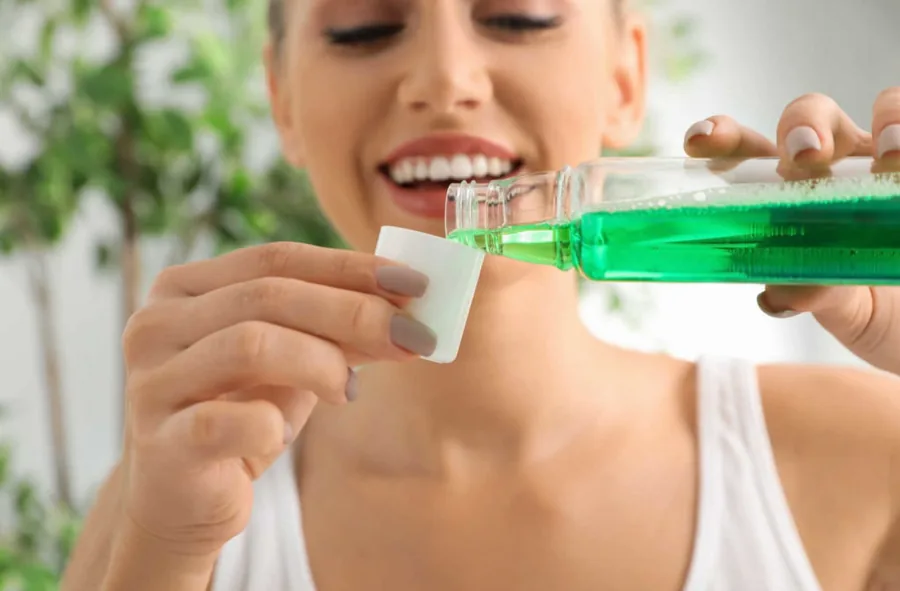
The Possible Benefits of Using Mouthwash
When considered a complementary part of a regular oral care routine, mouthwash can offer various advantages. These include reducing bad breath, lowering bacterial load and supporting gum health.
Fresh breath matters particularly in social situations, and mouthwash provides temporary freshness in this respect. It can also help reduce plaque formation, which may ease symptoms such as gum bleeding.
Research shows that antiseptic products can reduce the symptoms of gingivitis when used for a short period. However, it should be remembered that this effect varies depending on an individual's oral hygiene habits.
Common Misconceptions About Mouthwash
One of the most common misconceptions about mouthwash is that it can replace brushing. In reality, liquid products cannot mechanically remove the plaque layer. This is why mouthwash alone is not sufficient.
Another misconception is the belief that every mouthwash product is suitable for every age group. Particular care should be taken with use in children, and the ingredients should always be checked.
The perception that alcohol-containing products are more effective is also debatable. Alcohol can cause dry mouth in some individuals, which may negatively affect the balance of bacteria over the long term.
What Should Be Considered When Choosing Mouthwash?
Choosing the right mouthwash should be based on individual needs. While individuals at higher risk of decay might prefer fluoride products, those experiencing gum sensitivity might consider alcohol-free formulas.
The active ingredients listed on the product label should be carefully reviewed. When buying mouthwash, focusing on ingredient analysis rather than brand perception alone is the healthier approach.
At Doctor Afra, we emphasise that oral care products should be assessed on an individual basis. Every person's oral flora and needs are different. For this reason, an informed choice matters more than a standard, one-size-fits-all recommendation.
Mouthwash Is Effective When Used Wisely
With the right product choice and proper use, mouthwash can be a tool that supports your oral care routine. However, it is not a miracle solution. Scientific evidence shows that mouthwash does not replace mechanical cleaning, but it can complement it.
Oral health should be approached as a whole, encompassing regular brushing, flossing and professional check-ups. Mouthwash is one of the supporting parts of this whole. Better results can be achieved through informed use, ingredient analysis and choices suited to your personal needs.
Doctor Afra follows current research in oral and dental health to provide patients with scientifically grounded information. This guide has been prepared to help you make more informed choices.
Book an appointment for your smile
Get in touch with us for your questions and treatment options.