

Toothpaste selection is one of the most debated topics in modern oral care. In particular, whether toothpaste should contain fluoride is a matter that leads both consumers and dental health researchers to differing opinions. The wide range of fluoride and fluoride-free products currently available on the market only adds to the confusion for users. Since these products play an important role in protecting dental health, choosing the right one is considered critical, not just for aesthetics, but also for long-term oral health.
The fluoride debate is not simply a cosmetic choice but a complex issue that also involves biochemical and microbial processes. For this reason, the subject needs to be examined comprehensively rather than superficially.
The oral environment is a complex ecosystem in which bacteria can multiply rapidly. The main purpose of using toothpaste is to strengthen tooth enamel and reduce plaque formation. Fluoride emerges here as a critical mineral. However, it cannot be said to produce the same results for everyone. Personal health history, age, and daily dietary habits can all influence the choice.
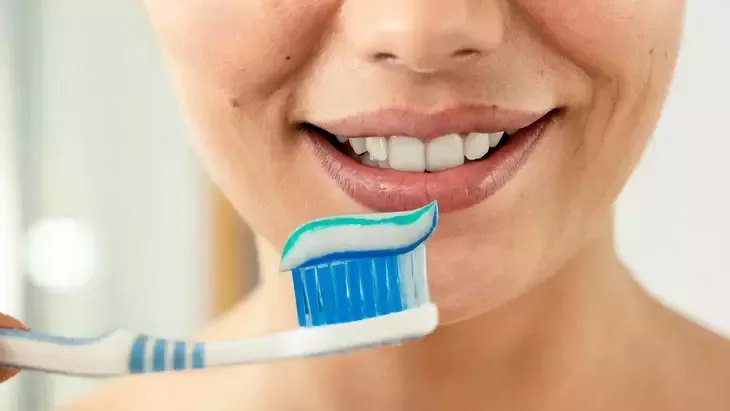
What Is Fluoride and What Role Does It Play in Toothpaste?
Toothpaste formulations use fluoride, a naturally occurring mineral that can help harden tooth enamel. Chemically, fluoride has the potential to protect the tooth surface from acidic conditions by altering the structure of hydroxyapatite crystals.
Using fluoride toothpaste aims to reduce the risk of tooth decay, particularly in populations with high sugar consumption. Fluoride, which is thought to limit acid production within microbial plaque, can also affect the metabolic activity of bacteria.
That said, the amount of fluoride matters. While very low concentrations may be ineffective, excessive use can lead to other problems. For this reason, it is recommended that the concentrations stated on product labels be reviewed.
|
Fluoride Concentration |
Likely Effect |
|
Below 500 ppm |
Limited protective effect |
|
1,000–1,500 ppm |
Standard protective level |
|
Above 1,500 ppm |
Requires caution for at-risk groups |
Advantages and Disadvantages of Fluoride-Free Toothpaste
People who choose fluoride-free toothpaste generally represent a user profile drawn towards natural ingredients. Some people choose alternative products because they believe they have a sensitivity to fluoride.
Fluoride-free formulas usually contain herbal extracts, xylitol, or natural mineral blends. These products can help reduce bad breath and provide a sense of mechanical cleaning.
However, extra care regarding the risk of decay is needed when using fluoride-free toothpaste. This is because scientific studies show that fluoride is one of the most widely used protective agents against tooth decay. For this reason, using a fluoride-free product alone may not be sufficient.
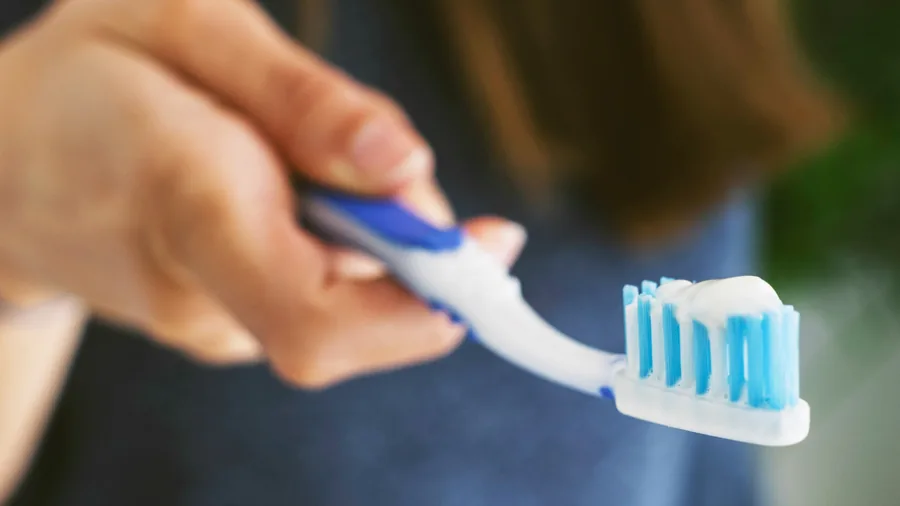
How Should Toothpaste Be Chosen for Children?
Choosing toothpaste for children should be approached differently from adults. Because children's swallowing reflex is not yet fully developed, low-fluoride or age-appropriate formulas are preferred.
Tooth enamel continues to develop during early childhood. The right mineral support during this period can reduce problems that might otherwise arise later in life. However, excessive fluoride intake can cause white spots on the teeth.
Recommended usage principles for children:
- Using a pea-sized amount of toothpaste
- Spitting out excess toothpaste after brushing
- Brushing under parental supervision
- Choosing an age-appropriate formula
Making an informed toothpaste choice at this stage is considered critical for lasting dental health in childhood.
The Scientific Basis of the Fluoride Debate
The differing opinions on fluoride stem from individual biological variation. While some research supports fluoride's effectiveness in reducing the risk of decay, other studies note that long-term, high-dose use can be a subject of debate.
The oral microbiome is too complex to be controlled by a single mineral alone. Dietary habits, saliva pH balance and genetic factors also affect dental health.
The amount of toothpaste used day to day is not, on its own, the deciding factor in dental health. Brushing duration, technique and diet are equally important.
In Which Cases Might Fluoride Toothpaste Be Preferred?
Fluoride toothpaste is generally chosen more often in the following circumstances:
- People with a history of tooth decay
- Individuals with high sugar consumption
- People with low saliva flow
- Those undergoing orthodontic treatment
- Patients at risk of mineral loss
Plaque build-up on the tooth surface can increase during orthodontic treatment. For this reason, protective mineral support is considered important.
It cannot be said that fluoride products are essential for absolutely everyone. However, the preventive approach is more widely accepted in modern dental literature.
The Right Toothpaste Usage Strategy
An ideal oral care routine is not limited to product choice alone. The following strategies are important for overall oral health:
- Brushing at least twice a day
- Cleaning for an average of 2 minutes
- Cleaning the surface of the tongue as well
- Using dental floss
- Regular dental check-ups
These habits can provide a protective effect regardless of the type of toothpaste used.
Fluoride or Fluoride-Free? What to Consider When Deciding
When making their choice, users can ask themselves the following questions:
- Do I have a history of tooth decay?
- What is my diet like?
- Which age group do I fall into?
- Do I have tooth sensitivity?
- How much sugar do I consume daily?
The answers to these questions can help determine the most suitable toothpaste profile.
Choosing Toothpaste Is a Personalised Process
Choosing between fluoride and fluoride-free toothpaste is too personal a decision to be reduced to a single right answer. While scientific evidence shows that fluoride can help reduce the formation of decay, alternative products may also be suitable for some users.
Oral health should be assessed not only by the toothpaste used but together with daily hygiene habits and lifestyle. The right product choice varies according to an individual's biological characteristics and needs. For this reason, regular dental check-ups, informed product use and a balanced diet are considered the cornerstones of a healthy smile.
Book an appointment for your smile
Get in touch with us for your questions and treatment options.