

The sudden twinge of pain that strikes when drinking a hot cup of tea, eating cold ice cream or biting into a sour piece of fruit is a shared experience for many people. This is commonly known as tooth sensitivity, and it's far more widespread than most people realise. Tooth sensitivity isn't a condition in its own right so much as a reflection of changes taking place in the tooth or the surrounding tissue.
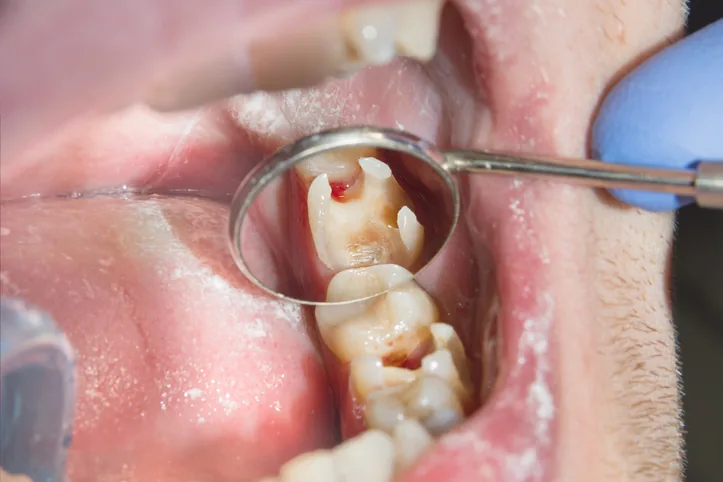
What Is Tooth Sensitivity and How Does It Develop?
Tooth sensitivity is linked to the exposure of the dentine layer, which occurs when the enamel thins or the gums recede. Dentine contains microscopic tubules that are more permeable to external stimuli. Cold, hot, sweet or acidic contact can travel through these tubules and reach the nerve endings.
At this point, tooth sensitivity is defined by a sudden, short-lived feeling of discomfort. For most people this sensation is temporary, but for others it can become a more lasting experience. A sensitive tooth structure is directly linked to a person's individual oral anatomy, genetic factors and daily habits.
What Causes Tooth Sensitivity to Develop?
There is no single cause behind tooth sensitivity. It's usually triggered by several factors coming together. The table below summarises the common causes linked to tooth sensitivity:
|
Possible Cause |
Description |
|
Enamel wear |
Aggressive brushing or acidic foods |
|
Gum recession |
Exposure of the root surface |
|
Teeth grinding or clenching |
Formation of micro-cracks |
|
Whitening treatments |
Temporary feeling of sensitivity |
|
Acidic drinks |
Effect on the dentine tubules |
Each of these factors can affect the perception of tooth sensitivity to a different degree. In some people a single cause is dominant, while in others multiple factors come into play.
How Does Tooth Sensitivity Affect Daily Life?
Tooth Sensitivity is an experience that often has a direct impact on quality of life. Its effects can be felt across a wide range of areas, from eating habits to social life. Changes in behaviour — such as avoiding cold drinks or being unable to eat certain foods — are frequently observed.
While this can raise a person's awareness of their oral health, it can also sometimes lead to unnecessary restrictions. People who experience tooth sensitivity may, over time, come to see it as normal and overlook the underlying causes. This is why understanding the issue correctly is so important.
Tooth Sensitivity and the Relationship Between Enamel and Dentine
The structure of tooth enamel sits at the heart of tooth sensitivity. Although enamel is known to be one of the hardest tissues in the body, it isn't entirely resistant to chemical and mechanical wear. As the enamel layer thins, the dentine surface underneath becomes easier to stimulate.
Dentine tissue contains fluid-filled tubules, and this structure forms the physiological basis of the tooth sensitivity sensation. Scientific research shows that the diameter and density of these tubules vary from person to person, which explains why some individuals are more prone to sensitivity than others.
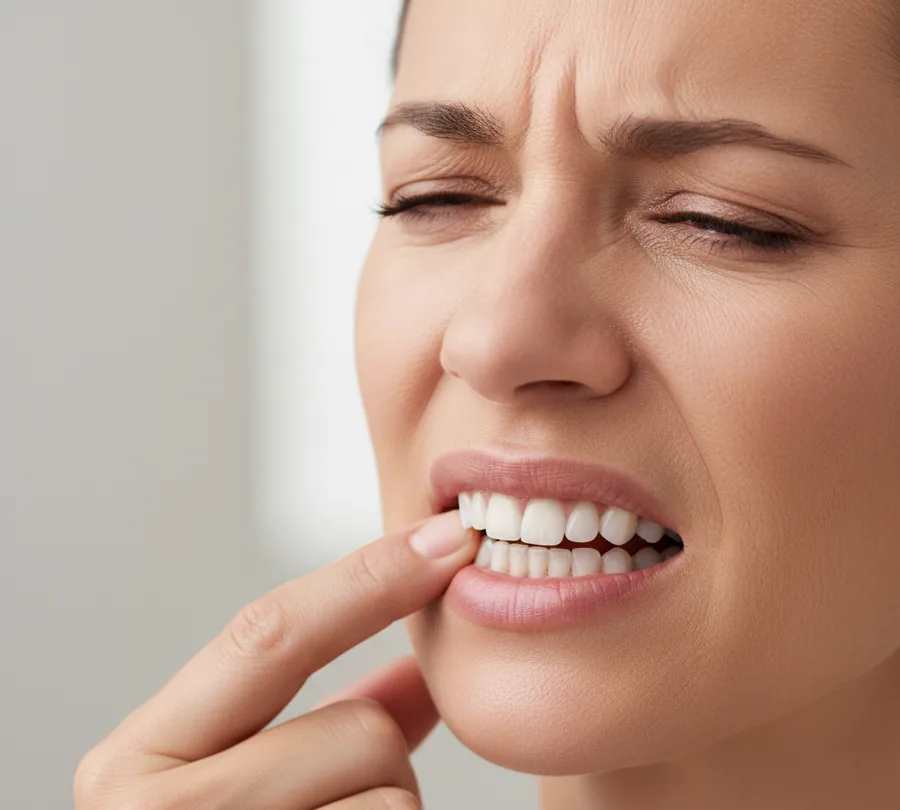
Can Tooth Sensitivity Become Permanent?
Tooth sensitivity is usually a temporary experience, though in some cases it can be felt over a longer period. What matters here is the source of the sensitivity. For example, sensitivity caused by enamel wear may not follow the same course as sensitivity caused by gum recession.
Tooth sensitivity that is perceived as permanent is usually linked to repeated stimuli or ongoing habits. At this point, the key question becomes whether the sensitivity is a symptom in itself or the result of a deeper structural change.
What Do Modern Studies Say About Tooth Sensitivity?
Clinical observations and literature reviews conducted in recent years reveal that tooth sensitivity is a multi-dimensional issue. Research shows that individual perception also affects the intensity of this sensation — meaning the same stimulus can trigger different levels of sensitivity in different people.
Digital dentistry applications and microscopic analysis techniques have also contributed to a clearer understanding of the causes of tooth sensitivity. These developments show that the issue isn't merely a superficial discomfort but a fully integrated part of the oral ecosystem.
Common Misconceptions About Tooth Sensitivity
There are common but incomplete beliefs circulating about tooth sensitivity. One is the idea that sensitivity is always a sign of a serious problem. In reality, in some cases this sensation is linked to temporary environmental factors.
Another common belief is that sensitive teeth are weak teeth. From a scientific standpoint, tooth sensitivity has less to do with the tooth's strength and more to do with the condition of its surface and surrounding tissue. For this reason, it isn't accurate to generalise.
Tooth sensitivity is one of the most common oral health experiences of modern life. Its causes are multi-layered and can present differently in each individual. In this article, we've explored the concept of tooth sensitivity within a scientific, analytical and accessible framework. Prepared on behalf of Doctor Afra, this content aims to raise the reader's awareness of the topic and help them ask the right questions.
Book an appointment for your smile
Get in touch with us for your questions and treatment options.