

One of the procedures people are most curious about in dental care concerns the tooth nerve. In cases of severe pain, sensitivity or infection, dentists aim to preserve the tooth by cleaning out the damaged tooth nerve tissue. Commonly known as “nerve removal”, this procedure is actually part of root canal treatment, and its purpose is usually to save the natural tooth structure rather than extract it.
What Is the Tooth Nerve, and What Functions Does It Perform?
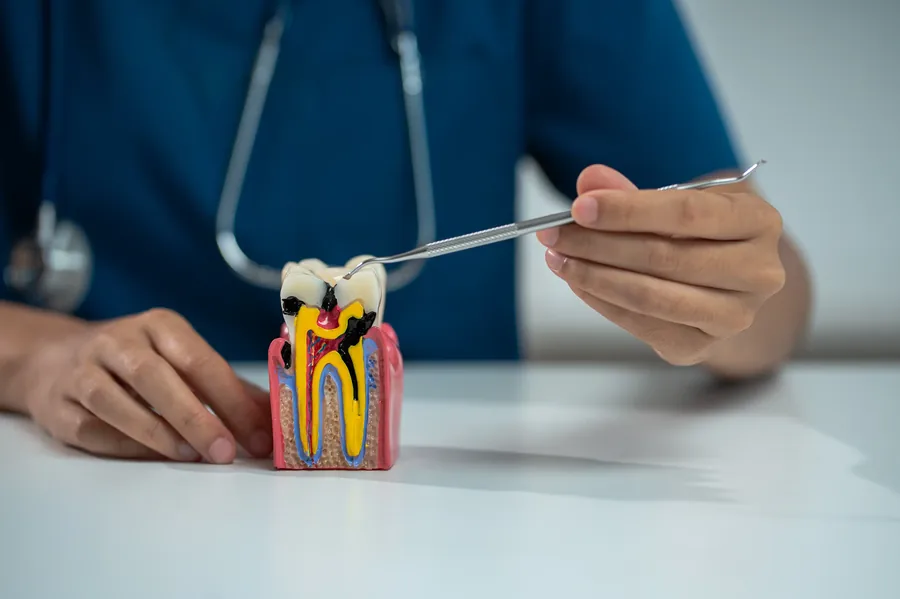
The tooth nerve is located within the pulp tissue at the centre of the tooth. This structure consists of blood vessels, connective tissue and nerve fibres. It is the main source of nourishment that keeps the tooth alive.
Nerve tissue doesn’t just register pain. It also acts as a warning system for stimuli such as heat, cold and pressure. An early-stage cavity or crack is often noticed precisely because of the tooth nerve. This is, in effect, the body’s natural alarm mechanism.
However, once an infection progresses, this protective system can work against the patient and cause persistent pain. At this point, cleaning out the nerve rather than preserving it may become the safer option.
Why Does the Tooth Nerve Get Damaged, and What Symptoms Appear?
Damage to the tooth nerve is often the result of long-standing decay. Infection begins once bacteria pass through the enamel and dentine layers and reach the pulp chamber. Trauma, fractures or poorly fitted fillings can lead to a similar situation.
Commonly observed symptoms include:
- Throbbing pain that intensifies at night
- Prolonged sensitivity to heat and cold
- A feeling of pressure while chewing
- Swelling around the gum
- Darkening of the tooth’s colour
These symptoms may indicate that the tooth nerve tissue has become inflamed. Without early intervention, the infection can spread to the root tip and the surrounding bone.
At Doctor Afra clinics, detailed radiographic examination and clinical tests are carried out at this stage. The aim is to preserve the tooth as much as possible while creating the right treatment plan.
How Is the Tooth Nerve Removed? Stages of Root Canal Treatment
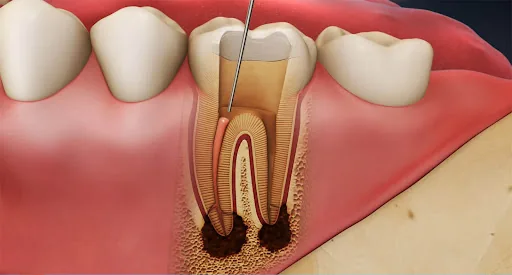
What is commonly called “nerve removal” is, in fact, a controlled cleaning process. The tooth nerve tissue is removed completely, and the canal system is sterilised.
The general steps proceed as follows:
|
Stage |
Purpose |
Description |
|
Examination |
Diagnosis |
X-rays and vitality tests |
|
Anaesthesia |
Comfort |
Local numbing |
|
Opening the canal |
Access |
Reaching the pulp chamber |
|
Cleaning |
Disinfection |
Removal of the infected tooth nerve tissue |
|
Shaping |
Preparation |
Widening the canals |
|
Filling |
Protection |
Sealing with a biocompatible material |
The rotary instruments and irrigation solutions used in this process aim to reduce the bacterial load. Today, microscope-assisted techniques allow for more precise and safer results.
The procedure is usually completed in one or two sessions, although the duration can vary depending on the severity of the infection.
Is It Painful to Have the Tooth Nerve Removed?
Many people assume that having the tooth nerve removed will be intensely painful. In reality, thanks to modern local anaesthetics, the pain felt during the procedure is quite minimal.
The real discomfort actually comes from the infection prior to treatment. Once the nerve tissue is cleaned out, the pressure decreases, and most patients feel noticeably relieved. Mild sensitivity may last a few days, but this is temporary.
Doctor Afra’s clinical approach is based on minimally invasive techniques that prioritise patient comfort, ensuring the process proceeds in a more controlled manner.
Does the Tooth Lose Its Vitality After the Nerve Is Removed?
Yes, a tooth loses its biological vitality once the tooth nerve has been removed. However, this doesn’t mean the tooth becomes non-functional. A tooth that has undergone root canal treatment can continue to serve its chewing function for years.
Nourishment is then supplied indirectly through the tissues surrounding the root. Because of this, the tooth may become somewhat more brittle. In most cases, reinforcement with a filling or crown is recommended.
Scientific data show that teeth treated and restored correctly can remain in the mouth for a long time. In other words, the goal is not extraction but preserving the natural tooth structure wherever possible.
Modern Technologies and New Approaches in Tooth Nerve Treatment
In recent years, significant technological advances have been made in tooth nerve treatment, with more precise devices replacing traditional methods.
Notable innovations include:
- Detailed imaging with a dental microscope
- Nickel-titanium rotary files
- Ultrasonic irrigation systems
- Bioceramic root canal filling materials
- Low-dose imaging with digital radiography
These advances allow for better cleaning of microscopic spaces within the canal, which can increase the long-term success of treatment.
Doctor Afra continually updates treatment protocols by following the latest literature and technology. This approach ensures both trust and quality.
Can the Tooth Nerve Be Preserved? The Importance of a Preventive Approach
Removing the tooth nerve isn’t necessary in every case. Cavities detected at an early stage can be treated with an appropriate filling or preventive measures.
Preventive strategies include:
- Regular dental check-ups
- Professional cleaning
- Fluoride applications
- Using a night guard for teeth grinding
- Protective measures against trauma
These steps can delay damage to the pulp tissue, reducing the need for more invasive procedures.
Tooth Nerve Treatment Aims to Save the Tooth
In short, removing the tooth nerve is an approach aimed at preserving the tooth rather than losing it. Root canal treatment carried out using scientific techniques eliminates the infection while helping the natural tooth structure remain in the mouth.
Thanks to Doctor Afra’s patient-focused approach, supported by up-to-date technology, this process becomes more comfortable and predictable. For anyone experiencing toothache or curious about their treatment options, accessing accurate information is the first and most important step.
Book an appointment for your smile
Get in touch with us for your questions and treatment options.