

Amalgam filling, used in dentistry for many years, is known as one of the most widely chosen restorative materials from the past to the present, thanks to its durability and affordability. However, the metals it contains, particularly mercury, have raised the question of “is it safe or not” in recent years. For this reason, many people want to learn more about amalgam filling and objectively weigh up its advantages and possible risks.
What Is Amalgam Filling and How Is It Defined?
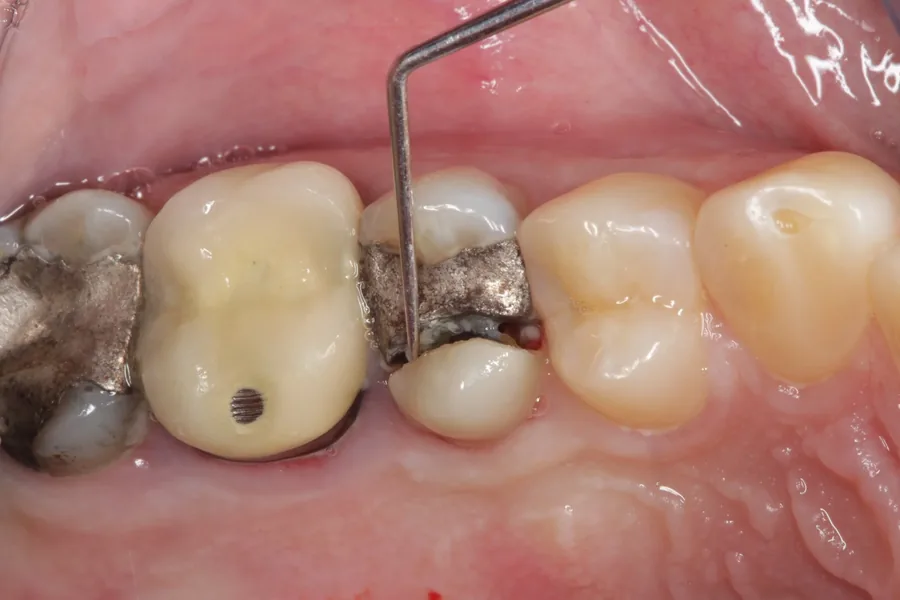
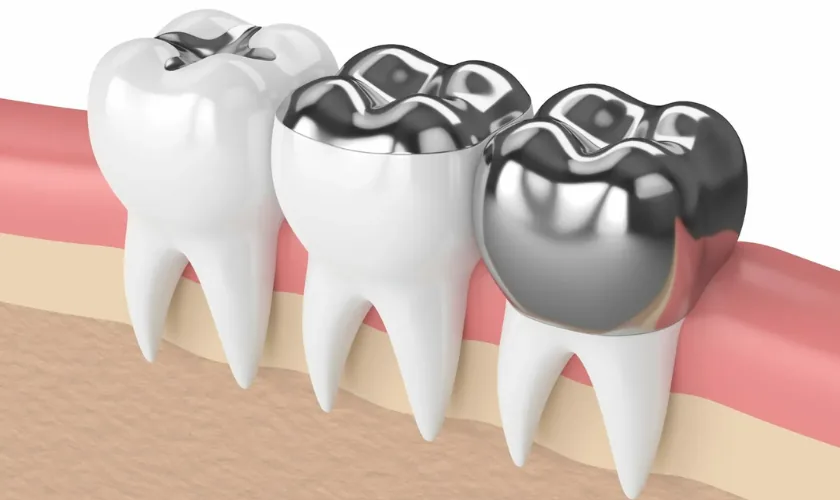
Amalgam filling is a dental filling material made from a mixture of different metals. It is generally formed by combining silver, tin, copper, and a certain proportion of mercury. This mixture is placed into the tooth while in a paste-like consistency, and it then hardens quickly to form a durable structure.
These fillings are also commonly known as grey fillings or metal fillings. They are frequently chosen for back teeth, where aesthetics are less of a priority, because of their resistance to high chewing forces. Their lifespan can range from 10 to 20 years in some cases.
The History of Amalgam Filling and Its Place in Dentistry
The use of amalgam filling dates back to the 19th century, at a time when modern materials such as porcelain or composite had not yet been developed. Because the metal-mixture filling was easy to apply and long-lasting, it quickly became a standard treatment.
Today, with the rise of aesthetic dentistry, materials with a more natural appearance have come to the fore. Nevertheless, many clinics still keep the amalgam filling option on the table when strength is required in the back teeth. This shows that the material retains its functional value.
The Composition and Chemical Structure of Amalgam Filling
An amalgam filling is essentially a metal alloy. It contains approximately the following components:
- Silver
- Tin
- Copper
- Zinc
- Mercury
Mercury reacts with the other metals to act as a binder. It initiates the hardening process and ensures the integrity of the filling. However, most of the public debate stems from exactly this point.
While some research suggests that the hardened structure keeps mercury largely stable, other studies note that low-level vapour release may be possible. For this reason, the safety of amalgam filling remains a topic that is actively studied in the scientific literature.
What Are the Advantages of Amalgam Filling?
As with any material, amalgam filling offers certain advantages. These qualities are the main reasons it has been chosen for so many years.
Key advantages
- High mechanical strength
- Long lifespan
- Less affected by moisture
- A relatively quick application process
- Affordable cost
Resistance to chewing pressure is particularly important for large cavities in the back molars. Here, amalgam filling can offer more stable performance than some composite options.
It also does not require an absolutely dry field during application, which makes things easier for the dentist in clinical practice and can shorten treatment time.
Debates on the Risks and Potential Harms of Amalgam Filling
The most frequently asked question about amalgam filling concerns its potential risks. Its mercury content, in particular, raises questions for some people. Although scientific publications generally state that exposure levels are low, a cautious approach may be recommended for sensitive groups.
Possible concerns fall under the following headings:
- A metallic taste
- Darkening of the tooth colour
- A risk of tooth cracking over time
- A possibility of very low-level metal vapour release
In addition, the grey appearance can bother some people aesthetically. Since more natural-coloured alternatives are available today, amalgam filling is not preferred, particularly for the front teeth.
Amalgam Filling and Aesthetic Comparison: Composite and Porcelain Alternatives
Composite resins and porcelain inlay/onlay restorations are frequently used in modern dentistry. These materials match the colour of the tooth and are not noticeable from the outside.
The table below summarises the main differences:
|
Property |
Amalgam |
Composite |
Porcelain |
|
Colour |
Metallic grey |
Tooth-coloured |
Tooth-coloured |
|
Durability |
High |
Medium |
High |
|
Aesthetics |
Low |
High |
Very high |
|
Cost |
Low |
Medium |
High |
This table shows that amalgam filling and the other options offer different profiles in terms of function and aesthetics. The choice is usually shaped by the individual's expectations.
What to Know About Removing and Replacing Amalgam Fillings
Some people may wish to replace their existing amalgam filling restorations for aesthetic or personal reasons. However, there is no firm consensus that a filling must be removed simply because it exists.
Replacement of the filling is generally considered in the following situations:
- Cracking or leakage
- Development of secondary decay
- Aesthetic expectations
- Excessive wear
Controlled techniques are applied during removal, with the aim of keeping any particles released to a minimum. For this reason, the procedure should be carried out at experienced clinics.
Assessing Amalgam Filling with the Doctor Afra Approach
Doctor Afra adopts an approach to restorative dentistry that places individual needs at its centre. No two amalgam filling cases are the same; the position of the tooth, the size of the decay, aesthetic expectations, and oral hygiene habits are all assessed together.
This perspective allows for personalised planning rather than a one-size-fits-all solution. The aim is not simply to choose a material, but to build a strategy that supports long-term oral health.
Advantages and limitations are weighed in a balanced way in light of scientific evidence, allowing individuals to understand their options and make an informed decision.
Amalgam filling holds an important place in the history of dentistry as a durable and affordable restorative method. However, due to aesthetic concerns and debates around its composition, it is now considered alongside alternative materials. Rather than a single correct option, the choice varies according to individual needs.
This guide has aimed to offer a scientific and accessible perspective on the key questions people have about amalgam filling. Being informed is the first step towards a sound decision. For further details, you can turn to Doctor Afra's expertise.
Book an appointment for your smile
Get in touch with us for your questions and treatment options.