

When it comes to oral health, patients most often face this dilemma: save the tooth with root canal treatment, or eliminate the problem entirely with a tooth extraction? Particularly in cases of severe pain, infection or fracture, dentists may offer different treatment alternatives. Making this decision isn’t just about relieving pain — factors such as function, aesthetics, bone structure and long-term quality of life all come into play.
What Is Tooth Extraction, and When Does It Become Necessary?
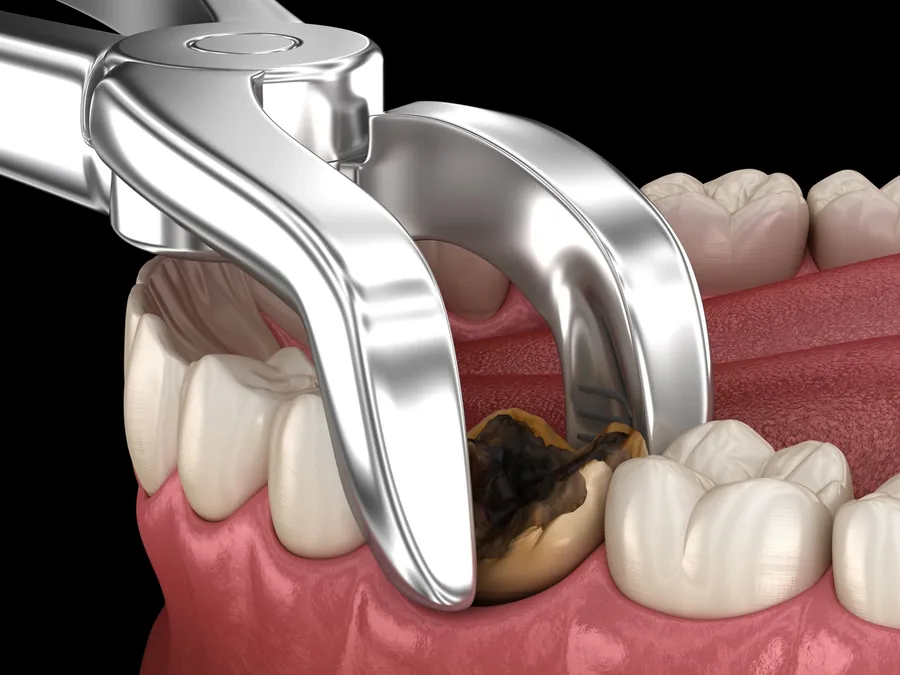
Tooth extraction is the procedure of removing a tooth from the jawbone when it is damaged beyond repair. This method may be considered if decay has progressed too far, the root has fractured, or infection has spread to the bone. Extraction may also be planned in other situations, such as orthodontic treatment or impacted teeth.
However, modern dentistry aims to preserve the natural tooth wherever possible, because losing a tooth doesn’t just leave a gap. Over time, chewing balance can be disrupted, adjacent teeth may shift, and bone volume can decrease. For this reason, tooth extraction is generally regarded as a last resort.
Key Differences Between Root Canal Treatment and Tooth Extraction
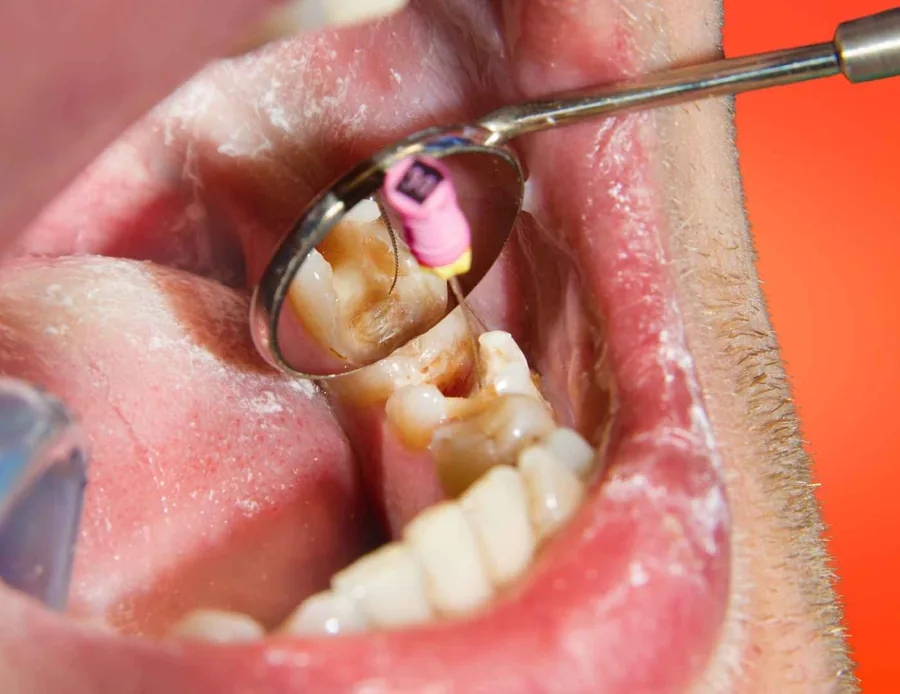
Root canal treatment is a protective procedure that cleans out infected pulp tissue and allows the tooth to remain in the mouth. The aim is to keep the tooth functional rather than extract it. This approach preserves biological integrity.
Tooth extraction, on the other hand, eliminates the problem entirely but doesn’t bring back natural tooth tissue. Additional treatments such as an implant, bridge or denture may be needed afterwards, which can make a difference in both cost and time.
The table below summarises a general comparison of the two methods:
|
Criterion |
Root Canal Treatment |
Tooth Extraction |
|
Is the natural tooth preserved? |
Yes |
No |
|
Healing time |
Short |
Moderate |
|
Need for additional treatment |
Usually none |
Frequent |
|
Risk of bone loss |
Low |
Higher |
Changes That Occur in Oral Structure After Tooth Extraction
When a tooth is extracted, it isn’t just the visible part that disappears — the bone tissue surrounding the root also begins to shrink over time. This is described in the literature as bone resorption, and volume loss can be significant within the first six months.
Adjacent teeth also tend to shift towards the gap. This movement can affect the bite relationship and reduce chewing efficiency. In the long term, jaw joint problems may even occur. For this reason, solutions such as an implant or denture are often planned after a tooth extraction.
Which Criteria Matter When Deciding Between Root Canal Treatment and Tooth Extraction?
There is no single right answer in this decision-making process — every case is unique. The remaining tooth structure, the extent of the infection, and the patient’s overall health are all taken into account.
The following factors are generally assessed:
- The soundness of the tooth root
- The presence of a crack or fracture
- Bone support
- The likelihood of long-term restoration
- The patient’s expectations
In some cases, root canal treatment can succeed, while in others tooth extraction may be the more predictable solution. Clinical examination therefore plays a decisive role.
Evaluating Tooth Extraction in Terms of Cost, Time and Comfort
For many people, economic factors are an important criterion. At first glance, tooth extraction may seem more cost-effective — the procedure is quick and usually completed in a single session.
However, if an implant or bridge is planned to fill the gap left by the extraction, the total cost can increase, and additional surgical procedures may be required. Root canal treatment, although a more involved process at the outset, preserves the tooth in the long run and can therefore reduce the need for further intervention.
Consequently, rather than looking only at the initial procedure fee, the total treatment process should be taken into account.
The Psychological and Aesthetic Effects of Tooth Extraction
Tooth loss can have psychological as well as physical consequences. Missing teeth in the front of the mouth, in particular, can affect the aesthetics of a smile, which may reduce confidence in social situations.
The gap left after a tooth extraction can even affect speech, making the correct pronunciation of certain sounds more difficult. For this reason, there is a greater tendency to preserve teeth in aesthetically important areas. Today’s minimally invasive approaches support this way of thinking.
Tooth Extraction and Preserving the Natural Tooth from a Long-Term Health Perspective
Natural teeth help keep the jawbone alive through the force they transmit to it. This biomechanical effect is something even implants cannot fully replicate. For this reason, preventive dentistry aims to keep the tooth in the mouth wherever possible.
That said, in some cases of advanced infection, tooth extraction can reduce systemic risks. In other words, it isn’t always a bad option — when applied to the right case, it can play a protective role for overall health. What matters is planning appropriately for each individual situation.
An Informed Choice Is the Healthiest One
There is no single answer to the question of root canal treatment versus tooth extraction. Both approaches have their advantages and limitations. What matters is choosing the option that will protect the long-term health of your oral structure while maintaining functional and aesthetic balance.
The Doctor Afra team aims to explain all alternatives to patients in detail and create a personalised plan, because modern dentistry seeks not just to treat, but to make informed decision-making easier.
Book an appointment for your smile
Get in touch with us for your questions and treatment options.