

Root Canal Treatment, one of the most commonly performed procedures in oral and dental health, is a modern dental technique aimed at saving an infected or damaged tooth pulp. However, as with any medical procedure, it does not always produce the expected result. In some patients, persistent pain, swelling or reinfection of the tooth can occur — a picture that usually points to a Root Canal Treatment that has failed. So how is this recognised, what outcomes can it lead to, and which factors increase the risk?
What Is Root Canal Treatment and When Is It Needed?
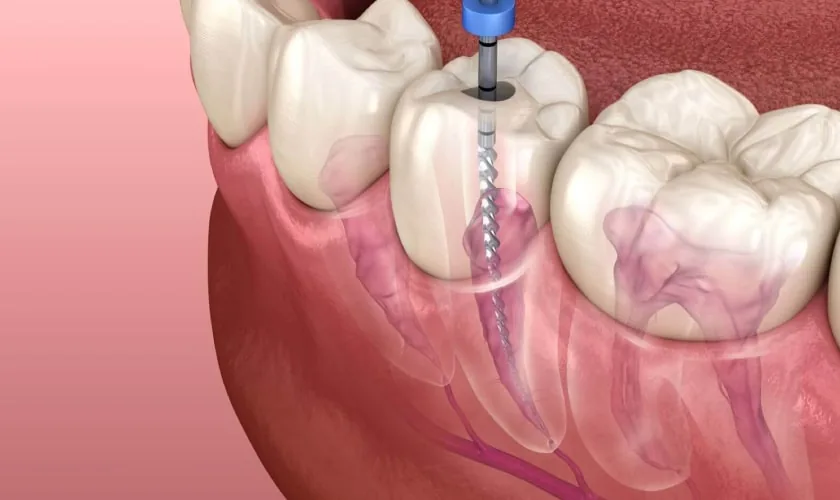
Root Canal Treatment is a conservative treatment approach used when the pulp tissue inside a tooth becomes inflamed or is irreversibly damaged. The aim is to keep the tooth in the mouth, functioning normally, without extracting it.
Once the pulp tissue has been removed, the root canals are cleaned, shaped and sealed with specialist filling materials, preventing bacteria from re-entering. According to clinical studies, a correctly planned Root Canal Treatment can provide many years of trouble-free use.
That said, complex canal anatomy, advanced infection or errors in the final restoration can all affect the success rate — and this is where the possibility of failure comes into play.
How to Recognise a Failed Root Canal Treatment: Early Signs
Failure rarely develops silently — the body usually gives some warning signs, and reading these correctly can help prevent the problem from progressing.
The most commonly reported findings are:
- Persistent or throbbing pain
- Sensitivity when biting
- Gum swelling or discharge
- Darkening of the tooth
- Difficulty chewing
When these symptoms appear, a previously performed Root Canal Treatment may not have achieved an adequate seal, allowing bacteria to multiply again at the root tip.
In some cases, symptoms only appear months later, which is why regular check-ups are so important.
The Scientific Causes of Root Canal Treatment Failure
The literature emphasises that failure rarely has a single cause; usually, several factors combine.
The most common causes are:
|
Cause |
Explanation |
|
Incomplete canal cleaning |
Residual bacteria keep the infection going |
|
Canal anatomy |
Hidden lateral canals may go unnoticed |
|
Inadequate filling |
Leakage develops |
|
Instrument fracture |
Bacteria can accumulate within the canal |
|
Delayed restoration |
The final restoration allows leakage to occur |
Overlooking microscopic detail, in particular, can directly affect the success of Root Canal Treatment. Modern technology and magnification systems aim to reduce this risk.
For this reason, the procedure calls for experience as much as technical skill.
How Is Root Canal Retreatment Planned?
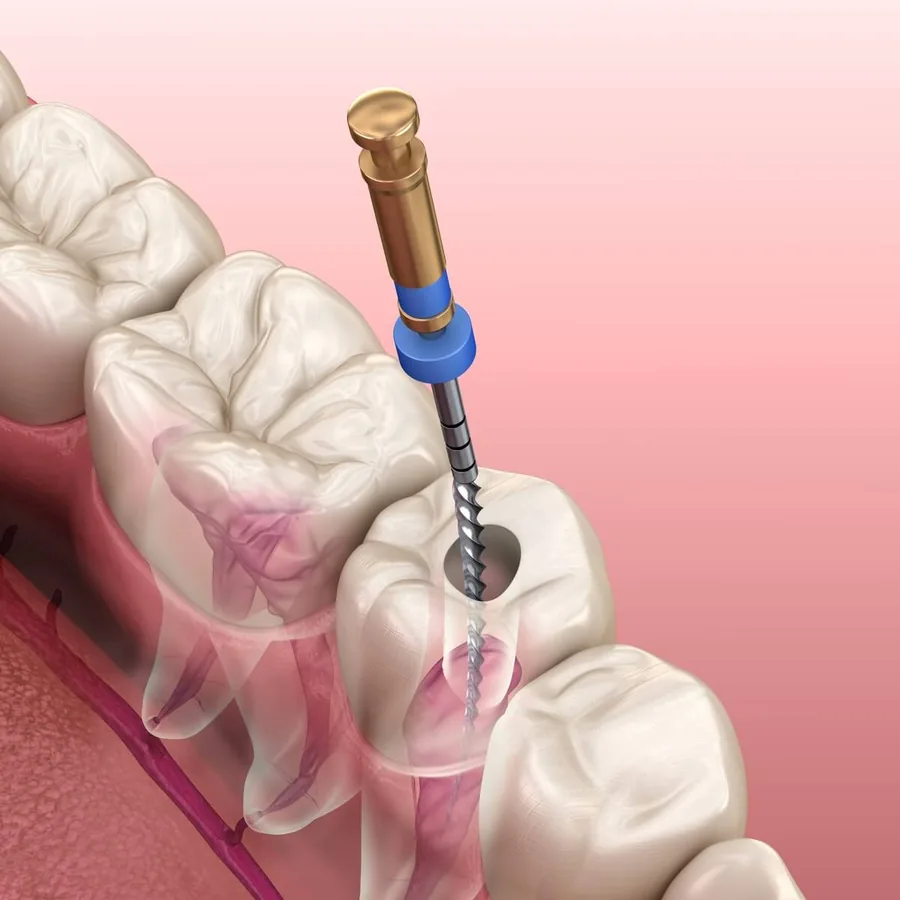
When failure is identified, the tooth is not extracted straight away. In most cases, Root Canal Treatment can be repeated — a process known as retreatment.
First, the old filling material is removed. The root canals are then re-disinfected and reshaped, before being sealed once again with modern, biocompatible filling materials.
This procedure can be more technically demanding than the original treatment, as removing the old material takes time. When properly planned, however, repeating Root Canal Treatment increases the chances of saving the tooth.
Clinical research shows that, in suitable cases, success rates can range from 70 to 90 per cent.
What Are the Consequences of a Failed Root Canal Treatment?
Left untreated, the problem may not remain limited to pain alone — oral infections can also affect systemic health.
Possible consequences include:
- Development of a chronic abscess
- Bone loss
- Tooth loss
- Effects on neighbouring teeth
- Impaired chewing function
Long-standing infections can lead to radiographically visible lesions in the bone tissue, in which case surgical intervention may be needed rather than a simple Root Canal Treatment.
Early diagnosis therefore plays a critical role in limiting complications.
Factors That Improve the Success of Root Canal Treatment
Many clinical parameters are taken into account to reduce the risk of failure. In modern dentistry, technology and sterilisation standards provide a significant advantage.
The main factors that improve success are:
- Digital imaging techniques
- Use of a dental microscope
- A leak-proof restoration placed in a single session
- Patient compliance and oral hygiene
- Regular check-ups
These factors support the long-term stability of the Root Canal Treatment performed. In particular, not delaying the final restoration helps prevent bacteria from re-entering.
The protocols used at Doctor Afra are built around these standards.
Why Is Follow-Up After Root Canal Treatment Important?
Even a Root Canal Treatment that appears successful needs to be monitored over time, as some infections progress slowly and produce no symptoms in the first few months.
Healing at the root tip is tracked with radiographic checks. If the bone tissue is filling in healthily, the process is considered to be going well; but if darkening or a lesion persists, further intervention may be needed.
Post-treatment care is therefore just as valuable as the procedure itself. Regular follow-up helps ensure the tooth remains in place for the long term.
The Root Canal Treatment Experience with Doctor Afra's Approach
Doctor Afra adopts an approach to endodontic treatment that is grounded in scientific guidelines and prioritises patient comfort. A detailed examination and digital analysis are carried out before every Root Canal Treatment.
The aim is not simply to clear the infection, but to build a long-term oral health plan. For this reason, a multidisciplinary assessment, personalised restoration options and follow-up programmes are all put in place.
This approach offers a significant advantage in supporting the long-term sustainability of the treatment.
In summary, Root Canal Treatment is, in most cases, a reliable way to save a tooth, though failure can occasionally occur. Recognising early symptoms, understanding the scientific causes and attending regular check-ups can all help reduce this risk. Success rates are notably high when the process is supported by modern technology and experienced clinical practice. The most effective way to protect dental health remains informed follow-up combined with timely intervention.
Book an appointment for your smile
Get in touch with us for your questions and treatment options.