

Tooth Extraction is one of the oldest and most widely discussed procedures associated with dentistry. For anyone dealing with problems in several teeth at once, a single question tends to come to mind: how many teeth can be extracted in a single session? Although it sounds like a simple question, the answer is actually layered, drawing on physiology, psychology, healing processes and clinical experience.
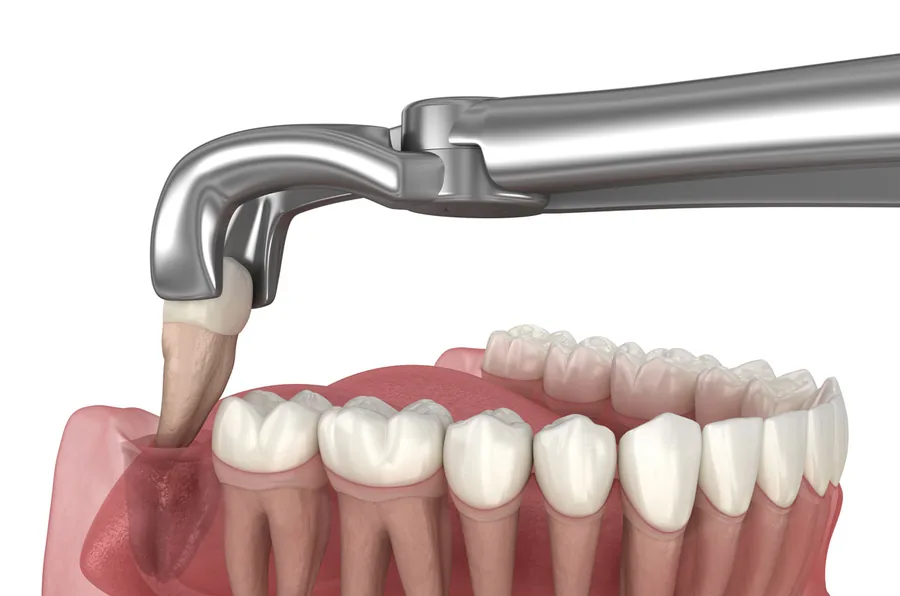
How Is the Decision for Tooth Extraction Made?
The decision to proceed with Tooth Extraction is rarely based on a single reason. The structural condition of the tooth, its relationship with the surrounding tissue, and overall balance within the mouth all form the basis of this decision. Clinical observation shows that a tooth needs to be assessed not in isolation, but in relation to neighbouring teeth and the jawbone.
When multiple extractions are involved, the decision-making process becomes even more complex. In some cases, several teeth in the same area are assessed together, while in others, teeth in different parts of the mouth are planned for separately. The goal throughout is to preserve overall balance within the mouth.
Research shows that multiple extractions carried out without proper planning can bring about temporary changes in chewing function. This is why the relationship between the extractions matters far more than the number of teeth being removed.
Is It Possible to Extract More Than One Tooth in a Single Session?
Performing more than one Tooth Extraction in a single session is common in dental practice. What matters here, though, is the combination of teeth involved rather than the number. For example, extracting teeth in the same jaw with similar root structures is not assessed in the same way as extracting teeth from different areas.
Scientific publications indicate that patients tend to perceive sessions involving multiple extractions as longer than a single-tooth extraction. This perception is linked more to psychological factors than physiological ones. Interestingly, healing time is not always directly proportional to the number of teeth removed.
For this reason, the question of "how many teeth can be extracted at once" calls for a contextual assessment rather than a simple number.
What Factors Affect the Number of Teeth Extracted?
The factors that determine the number of teeth removed in a Tooth Extraction are not limited to the mouth alone. Analyses show that general health, age and even stress levels can all play a role in this planning.
The table below summarises the key elements that influence the decision for multiple extractions:
|
Factor |
Area of Influence |
|
Position of the Teeth |
Same area or different areas |
|
Root Structure |
Straight, curved or fused roots |
|
Jawbone Density |
Condition of the bone structure |
|
Psychological Resilience |
Perception of the session and compliance |
Considering these factors together when planning Tooth Extraction makes both the procedure itself and the experience afterwards more predictable.
Oral Balance After Multiple Extractions
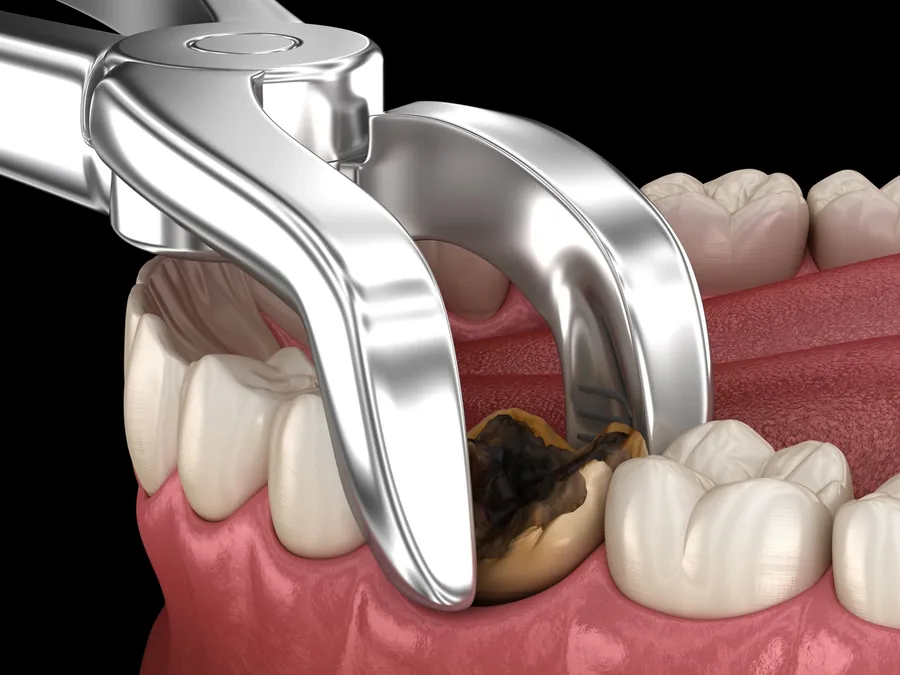
How the mouth adjusts after multiple extractions is a subject people frequently wonder about. The mouth is a complex system in which teeth are constantly in contact with one another, so any change to that system can bring about a period of temporary adaptation.
Academic studies show that people go through short-term adaptations in their chewing habits after multiple extractions. These adjustments are usually unconscious and settle into a natural pattern over time.
What matters here is not the number of extractions, but the functional role of the teeth removed — a front tooth does not contribute to the mouth in the same way as a back tooth.
Why Does Timing Matter When Planning Tooth Extraction?
Timing is a critical factor in extraction planning that is often overlooked. There are both perceptual and functional differences between extractions carried out simultaneously and those spread across separate appointments.
Some analyses suggest that performing multiple extractions in a single session helps patients feel the process is mentally over more quickly. On the other hand, it is also known that a staged approach makes adaptation within the mouth more gradual.
Timing is therefore directly linked to personal expectations and the demands of everyday life.
Common Misconceptions About Tooth Extraction
Word-of-mouth misconceptions often come into play when Tooth Extraction is discussed. One of the most common is the idea that extracting many teeth is always more difficult. Clinical observation, however, shows that there is not always a dramatic difference between a single extraction and multiple extractions.
Another common belief is that extracting teeth simultaneously prolongs healing time. The available literature shows that the perception of healing varies according to individual experience and cannot be reduced to a single variable.
These misconceptions clearly demonstrate why the subject needs to be approached holistically.
So How Many Teeth Can Be Extracted at Once?
The question of how many teeth can be extracted at once refers less to a fixed number and more to an evaluation process. Tooth Extraction is defined by context, planning and individual differences rather than by a specific count.
At Doctor Afra, Tooth Extraction is treated not merely as a technical procedure, but as part of the mouth's overall integrity. This perspective allows each case to be understood on its own terms, rather than offering one-size-fits-all answers.
Ultimately, the number of teeth extracted in a single session is shaped by scientific assessment and clinical experience, not by a fixed numerical limit.
Book an appointment for your smile
Get in touch with us for your questions and treatment options.