

One of the most worrying issues in oral health is the problem of loose teeth. While tooth mobility is considered natural during childhood, when it occurs in adults it can often be a sign of different underlying biological processes. Loose teeth are not merely an aesthetic concern; they are closely linked to gum tissue, bone structure, and the microbial balance within the mouth.
A slight sense of movement in the teeth can sometimes be temporary, while in other cases it may indicate an underlying periodontal process. For this reason, loose teeth should be assessed not superficially, but from a holistic perspective.
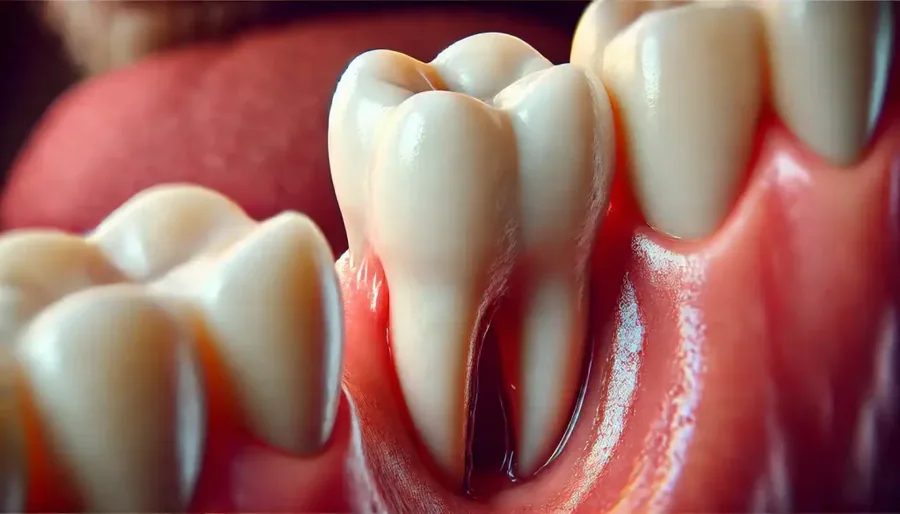
Why Do Loose Teeth Occur?
Loose teeth are mostly associated with the weakening of the supporting tissues surrounding the tooth. A tooth is not just the visible crown; the root area is surrounded by a fibrous structure called the periodontal ligament and by the alveolar bone. When this support system is damaged, mobility can appear in the tooth.
In the scientific literature, tooth mobility is generally attributed to three main factors:
- Periodontal disease
- Traumatic forces
- Systemic factors
In particular, as gum inflammation progresses, bone loss can occur. Because this process advances slowly, a person may not notice it for a long time. Loose teeth are often the visible outcome of this advanced process.
Alongside this, factors such as night-time teeth grinding, an incorrect bite relationship, and sudden impact can also lead to temporary or permanent mobility. Tooth mobility therefore cannot be reduced to a single cause.
The Link Between Loose Teeth and Gum Disease
Periodontal disease is one of the most common causes of loose teeth in adults. Gum inflammation initially presents with bleeding and sensitivity. If left untreated, the infection can progress to deeper tissues.
Clinical studies have reported significant alveolar bone loss in advanced periodontal cases. As bone support decreases, so does the stability of the tooth. At this point, loose teeth are not merely a superficial symptom but a sign of underlying tissue change.
The table below summarises the relationship between periodontal progression and tooth mobility:
|
Periodontal Status |
Clinical Sign |
Tooth Mobility |
|
Gingivitis |
Bleeding, redness |
Usually none |
|
Mild Periodontitis |
Pocket formation |
Mild mobility |
|
Advanced Periodontitis |
Bone loss |
Noticeable mobility |
This table shows that the problem of loose teeth is often the result of a long-term process.
Loose Teeth Caused by Trauma and Mechanical Factors
Not every case of loose teeth stems from infection. Sports accidents, falls, or impact from a hard object can damage the tissues surrounding a tooth. In such cases, mobility appears suddenly.
Traumatic mobility is generally different from periodontal mobility, as it may not be accompanied by inflammation. However, micro-damage can occur on the root surface or within the ligament structure. This damage may heal over time or become permanent.
In addition, the teeth-grinding habit known as bruxism can also contribute to the development of loose teeth. Prolonged and uncontrolled force places stress on the supporting tissues, which can push the bone tissue's capacity to adapt to its limits.
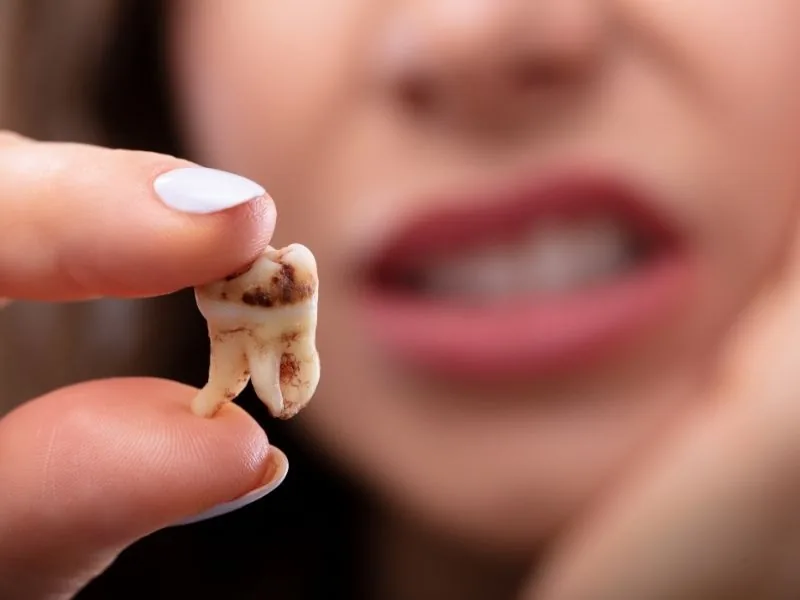
Are Loose Teeth Different in Children and Adults?
Loose teeth seen in children are usually part of a physiological process. Baby teeth naturally become mobile under the pressure of the permanent teeth coming through underneath. This process is generally painless and temporary.
In adults, however, the picture is different. Permanent teeth should not normally be mobile. If loose teeth are observed in an adult, the underlying biological or mechanical factors need to be assessed.
This distinction matters because physiological mobility differs from pathological mobility. Misinterpreted cases can lead to unnecessary anxiety or delayed intervention.
What Symptoms Accompany Loose Teeth?
Loose teeth generally do not occur in isolation. They are often accompanied by certain clinical symptoms, which can provide clues about the underlying cause.
The commonly observed accompanying signs are:
- Gum bleeding
- Bad breath
- Gum recession
- Sensitivity while chewing
- Shifting of the teeth
The shifting of teeth, in particular, can be seen at an advanced stage of periodontal support loss. At this stage, loose teeth can go beyond aesthetic concerns and lead to functional problems.
In the scientific literature, tooth mobility is graded into mild, moderate, and advanced classifications. This classification helps in understanding the severity of the process.
What Approaches Are Considered for Loose Teeth?
The approach to loose teeth varies according to the underlying cause. In periodontal-related cases, the priority is infection control, whereas in traumatic cases, the healing capacity of the supporting tissues is monitored.
In some cases, teeth can be temporarily stabilised through a procedure known as splinting. The aim is to keep the tooth stable until the surrounding tissues heal. However, the same method is not applied in every case of mobility.
The main factors taken into account during the assessment process are listed below:
- Level of bone support
- Gum health
- Distribution of occlusal forces
- Systemic health status
Although loose teeth may appear to be a purely local problem, research has indicated that they can be linked to systemic conditions such as diabetes. For this reason, a multidisciplinary perspective is important.
Can Loose Teeth Be Prevented?
Loose teeth may not always be entirely preventable, but risk factors can be kept under control. Regular oral hygiene, periodontal check-ups, and mindful use of the teeth all play an important role.
Studies show that periodontal progression is slower in individuals who undergo regular professional scale and polish treatments. This can indirectly reduce the risk of loose teeth.
In addition, using a protective splint can reduce stress on the supporting tissues in individuals who grind their teeth. Naturally, every individual's oral structure is different, and assessment should always be tailored to the person.
Should Loose Teeth Be Taken Seriously?
Loose teeth can sometimes be a temporary condition, and at other times a sign of more complex biological processes. What matters is recognising the situation early and trying to understand its cause. Tooth mobility is not a diagnosis in itself; it is a symptom.
At Doctor Afra, our approach is to assess every case in the light of scientific evidence and carry out an individual analysis. Oral health is a holistic system, and loose teeth can be one of the signals indicating that the balance within this system has been disrupted.
It should not be forgotten that teeth are not merely tools for chewing; they are connected to speech, aesthetics, and overall health. Tooth mobility should therefore not be regarded as a simple issue. An informed approach and regular follow-up are fundamental to maintaining oral health.
Book an appointment for your smile
Get in touch with us for your questions and treatment options.