

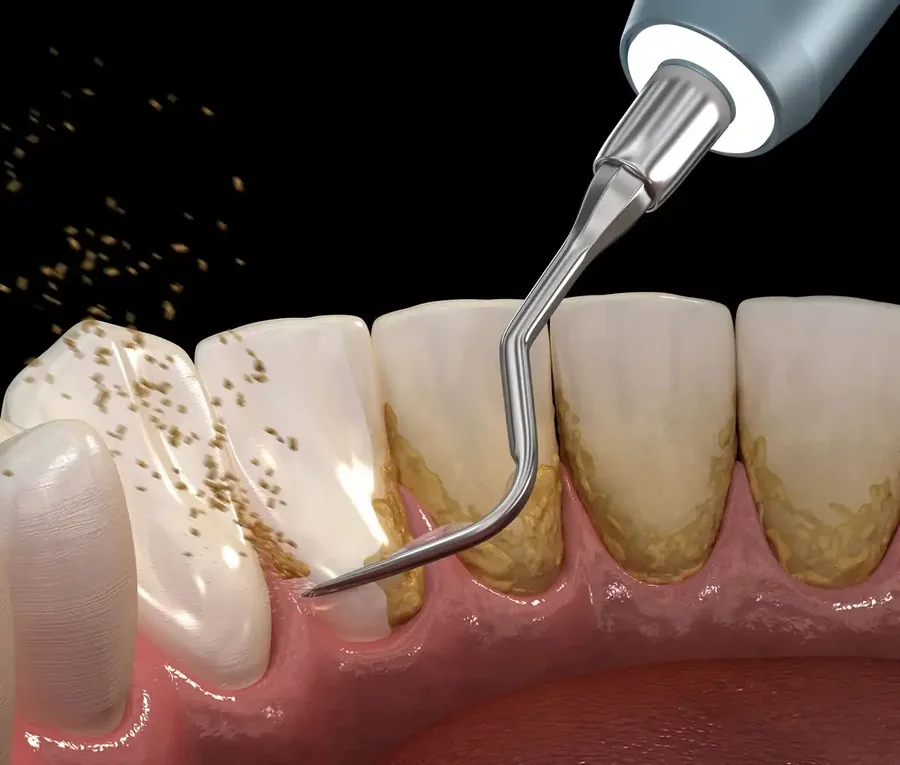
Alongside regular check-ups, professional tartar removal plays a critical role in maintaining oral health. Tartar, which forms when plaque that builds up on the tooth surface over time hardens, is not merely an aesthetic issue. It can be linked to a range of conditions, from gum sensitivity and bad breath to periodontal problems in advanced cases. For this reason, the period following the cleaning is at least as important as the procedure itself. Doctor Afra's clinical approach aims to preserve oral health over the long term through proper care habits after cleaning.
Changes You May Notice in the Mouth After Tartar Removal
After professional tartar removal, the tooth surfaces become smooth, often for the first time. This smoothness can create a “slippery” sensation when the tongue touches the teeth. Although most people find this feeling unfamiliar, it is in fact the natural state of a healthy enamel surface.
Mild sensitivity after the procedure is also quite common, because tartar deposits can partly cover the tooth roots over time. When these areas are exposed by cleaning, a temporary reaction to hot and cold stimuli can occur. This is usually short-lived and eases with regular care.
Dietary Habits in the First 24 Hours After Tartar Removal
The first few hours after cleaning are a period when the tooth surfaces are more exposed to external influences. It's advisable to limit the consumption of strongly pigmented drinks during this time. Coffee, tea, red wine, or dark-coloured sauces can pave the way for the teeth to become stained again.
Very hot and very cold foods can also increase sensitivity. As the gum tissues may also be somewhat sensitive after tartar removal, avoiding very hard foods can add to your comfort. Choosing softer, lukewarm foods will help you get through the first few days more comfortably.
The table below offers a sample guide for the first day:
|
Foods You Can Enjoy |
Foods to Limit |
|
Warm soups |
Coffee |
|
Yoghurt |
Acidic drinks |
|
Boiled vegetables |
Hard nuts |
|
Water |
Dark-coloured sauces |
A Daily Oral Hygiene Routine to Reduce Tartar Build-Up
Professional tartar removal alone is not a permanent solution. The real effect comes from the care habits maintained at home, because tartar forms when bacterial plaque is not regularly removed.
Brushing at least twice a day with the correct technique is the basic step. Holding the brush at a 45-degree angle to the gumline is effective in reducing plaque build-up. Using dental floss or an interdental brush cleans the areas the brush cannot reach, which are usually the points where tartar build-up is most concentrated.
A routine care list might look like this:
- Brushing morning and evening
- Daily flossing
- Cleaning the tongue
- Drinking water regularly
- Professional check-ups
How Is Gum Health Supported After Tartar Removal?
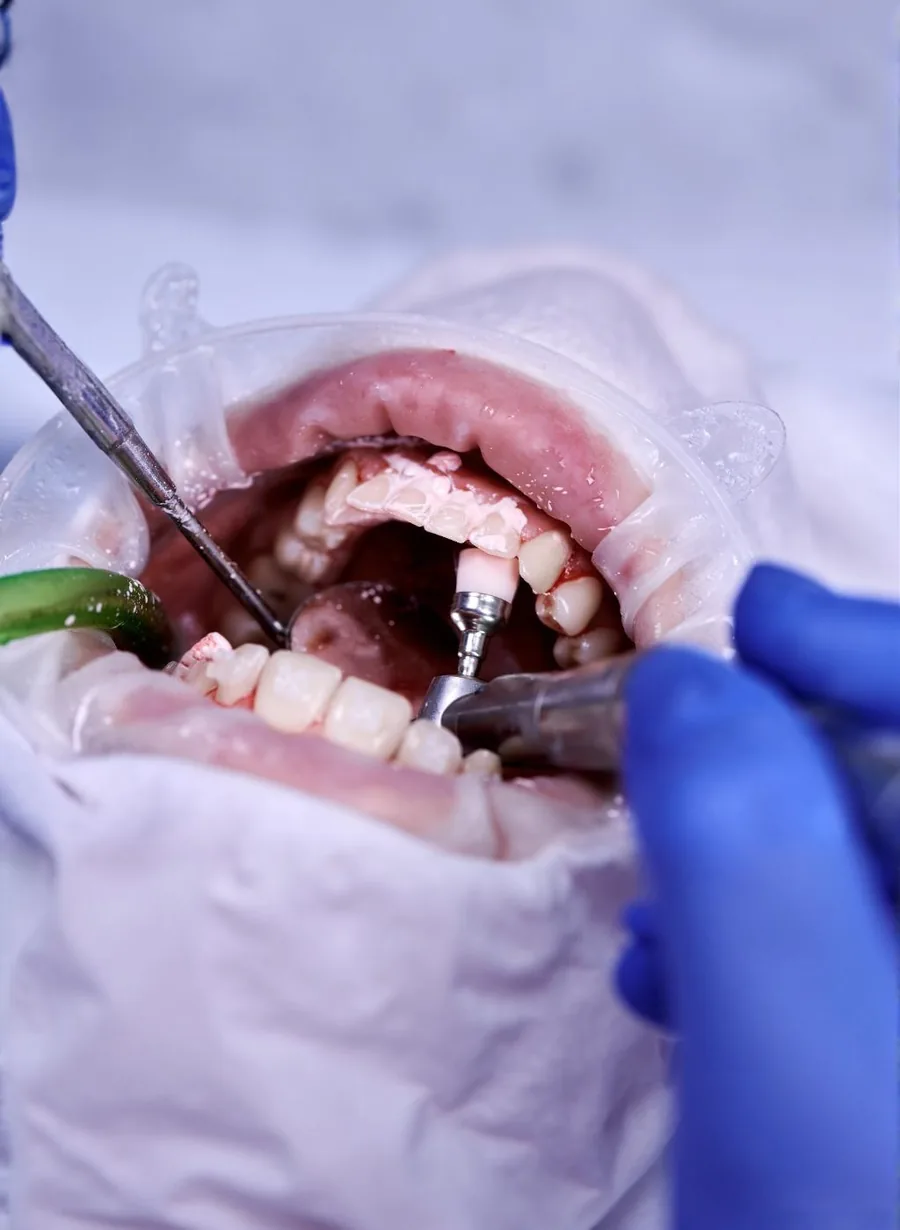
As tartar is removed during cleaning, bacteria that have accumulated in the gum pockets are cleared away too. This allows the gums to enter a healing phase, during which mild redness or sensitivity may be observed in the first few days.
As the gums become healthier, their tendency to bleed decreases and the tissue looks firmer. Choosing a soft-bristled brush provides comfort during the healing period. At the same time, regular and gentle cleaning slows tartar build-up and helps preserve the gumline.
Gum massage and mouthwash products may have a soothing effect for some people. However, as every individual's needs differ, personal experience and a dentist's recommendation are important.
Why Does Tartar Form Again and How Can the Process Be Slowed?
Many people ask, “I had it cleaned, so why is it coming back?” The main reason is a biological process: when minerals in saliva combine with plaque, hardening begins and tartar forms. In other words, this is an entirely natural cycle.
However, this cycle can be slowed. Reducing the frequency of sugary snacks, increasing water intake, and scheduling regular professional cleaning intervals help keep the process under control. In individuals with crowded teeth in particular, tartar build-up can occur more quickly. For this reason, it is important to develop care strategies tailored to the individual.
Professional Check-Ups and the Importance of Periodic Tartar Removal
Experts note that repeating tartar removal at regular intervals is part of a preventive approach, since build-up can occur in areas that are not visible, and home care alone may not be sufficient.
Early-stage gum problems can be spotted during regular check-ups, allowing the process to be managed with simple treatments rather than more complex procedures. This approach offers advantages in terms of both comfort and cost. Doctor Afra's preventive dentistry approach is based on exactly this logic.
Managing Sensitivity and Comfort After Tartar Removal
Some people may experience a brief twinging sensation after cleaning. This is a natural response associated with the exposure of dentine tubules, and it usually eases within a few days.
During periods of heightened sensitivity, avoiding overly vigorous brushing and limiting very cold drinks can be soothing. When the right care habits are adopted after tartar removal, these complaints do not become permanent, and comfort increases as the oral tissues adapt.
A healthy smile is not just an aesthetic achievement; it is also a marker of overall health. Tartar removal reduces the microbial load in the mouth, giving the teeth and gum tissues room to breathe. However, real success is achieved through the mindful care maintained after the cleaning.
With its focus on preventive dentistry, Doctor Afra aims not only to resolve existing problems but also to prevent issues that could arise in the future. With regular check-ups, a balanced diet, and effective hygiene habits, it is possible to keep tartar build-up under control. Small but consistent steps make a big difference in the long run.
Book an appointment for your smile
Get in touch with us for your questions and treatment options.