

Tooth Nerve Death refers to the loss of vitality in the pulp tissue found inside the tooth. This condition often progresses insidiously and may initially appear with symptoms such as mild sensitivity. Pain may decrease over time, but this does not mean the tooth is healing. On the contrary, Tooth Nerve Death may indicate that the tooth's defence mechanism has been disabled
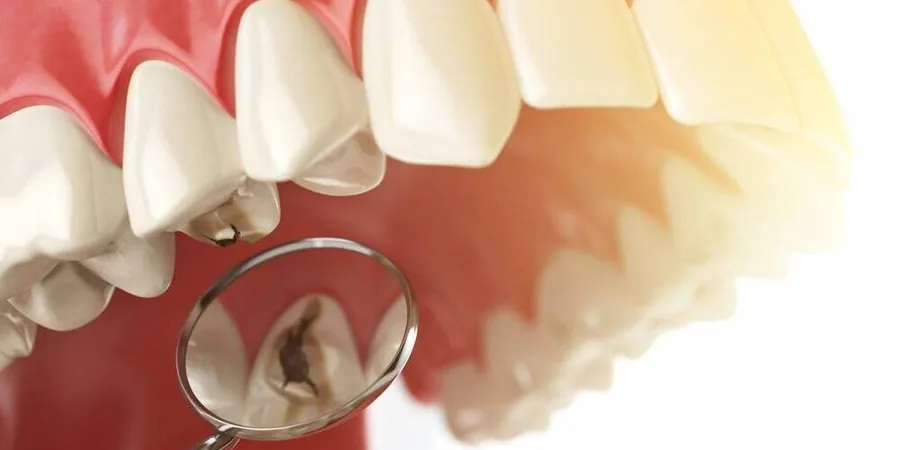
What Is Tooth Nerve Death? How Is the Pulp Tissue Affected?
Tooth Nerve Death develops as a result of irreversible damage to the pulp tissue at the centre of the tooth. The pulp is made up of nerve fibres, blood vessels and connective tissue. This structure nourishes the tooth and allows it to respond to external stimuli.
When the pulp tissue is damaged, inflammation begins at the cellular level. If this process is not brought under control, blood circulation decreases and tissue necrosis can develop. It is at this stage that Tooth Nerve Death occurs. Interestingly, pain actually decreases in some cases, because once the living nerve tissue is gone, the capacity to transmit pain can diminish.
According to scientific studies, pulp necrosis is most often associated with progressive decay and trauma. However, immune response, the individual's general health status and the tooth's anatomical features can also influence the process.
Why Does Tooth Nerve Death Occur? The Most Common Causes
Tooth Nerve Death is usually not attributable to a single cause. More often than not, it is the result of a combination of several factors. Below you can find the most commonly encountered causes:
- Advanced tooth decay
- Impact or trauma to the tooth
- Deep fillings
- Repeated dental procedures
- Periodontal disease
Deep decay can allow bacteria to reach the pulp chamber. This triggers infection. Trauma, meanwhile, can disrupt the vascular structure and interrupt the pulp's blood supply. These two factors are among the most frequently reported causes in the development of Tooth Nerve Death.
The table below summarises the relationship between causes and their possible mechanisms:
|
Cause |
Possible Mechanism |
|
Decay |
Bacterial invasion |
|
Trauma |
Interruption of blood supply |
|
Deep filling |
Thermal and mechanical stress |
|
Gum disease |
Infection around the root |
Each of these factors can cause irreversible damage to the pulp tissue.
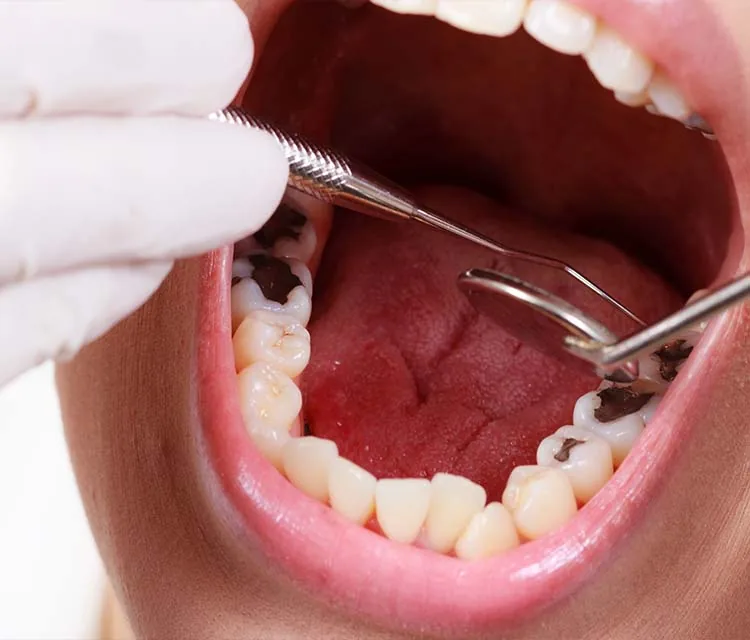
What Are the Symptoms of Tooth Nerve Death?
The symptoms of Tooth Nerve Death do not follow the same course in every individual. While some cases involve severe pain, in others the symptoms may be minimal.
The most commonly reported symptoms are as follows:
- Prolonged sensitivity
- Discolouration
- Discomfort while chewing
- Gum swelling
As pulp necrosis progresses, darkening of the tooth colour may be observed. This occurs because blood pigments within the tooth seep into the dentinal tubules. This visual change is one of the more noticeable findings in the process of Tooth Nerve Death.
Some research shows that in silent, symptom-free cases, radiographic findings can appear before clinical symptoms do. For this reason, regular check-ups are important.
How Is Tooth Nerve Death Diagnosed?
Tooth Nerve Death is diagnosed through a combination of clinical assessment and imaging methods. The dentist analyses the vitality of the tooth using methods such as cold testing, electric pulp testing and percussion.
Radiographic examination helps detect any lesions that may form at the root tip. As pulp necrosis progresses, radiolucency may be seen in the periapical region. This can indicate that the Tooth Nerve Death process has become chronic.
Focusing on pain alone during diagnosis can be misleading, because a tooth that has lost its vitality does not always cause pain. For this reason, a multifaceted assessment is important.
How Does Tooth Nerve Death Affect Tooth Structure?
Following Tooth Nerve Death, changes may be observed in the biomechanical properties of the tooth. A tooth that has lost its vitality can become more brittle over time. This is because the nourishing function of the pulp tissue is lost.
In addition, as infection progresses, bone loss can occur around the root. This can affect the stability of the tooth. Tooth Nerve Death can indirectly affect not only the nerve tissue but also the surrounding periodontal structures.
Some literature reviews suggest that untreated pulp necrosis may be associated with systemic inflammation. While these findings are not conclusive, they highlight the link between oral health and general health.
The Relationship Between Tooth Nerve Death and Discolouration
One of the most noticeable changes seen after Tooth Nerve Death is the darkening of the tooth's colour. This usually appears in grey or yellow shades.
Breakdown products of haemoglobin within the pulp can spread into the dentinal tubules. This biochemical process increases the tooth's opacity. Discolouration occurring particularly in the front teeth can cause aesthetic concern.
Research shows that discolouration can appear more quickly in cases of Tooth Nerve Death caused by trauma. However, not every discolouration necessarily means pulp necrosis. Clinical assessment is essential.
The Scientific Perspective on the Process of Tooth Nerve Death
Tooth Nerve Death is a biological process that results from the uncontrolled progression of inflammation. The condition initially referred to as pulpitis can be reversible. However, as the bacterial load increases and vascular pressure rises, irreversible damage can occur.
Microbiological analyses have shown that anaerobic bacteria are predominant in necrotic pulp tissue. Through toxin production, these bacteria can cause damage to the surrounding tissues.
The scientific literature contains hundreds of studies on Tooth Nerve Death. These studies emphasise the importance of early diagnosis and regular check-ups. However, each individual's biological response differs, and the process depends on personal variables.
An Informed Approach to Tooth Nerve Death
Tooth Nerve Death is most often the result of a progressive process. A condition that initially appears to be simple sensitivity can turn into pulp necrosis over time. For this reason, symptoms should not be taken lightly.
At Doctor Afra, our aim is to provide reliable and comprehensive information about Tooth Nerve Death. This content is based on an analysis of data from scientific sources and is intended for general informational purposes.
Oral health is not just about aesthetics; it is a functional and biological balance. Being informed about Tooth Nerve Death is an important step towards preserving this balance.
Book an appointment for your smile
Get in touch with us for your questions and treatment options.