

One of the most critical steps in maintaining oral health is restoring the function and appearance of damaged teeth. In this respect, dental crown treatments occupy a special place among both protective and restorative therapies. Dental crown solutions are frequently chosen for the long-lasting restoration of teeth that have cracked, fractured, or weakened due to large fillings. Crown repairs planned at Doctor Afra are approached holistically, taking into account not only aesthetic expectations but also biomechanical durability.
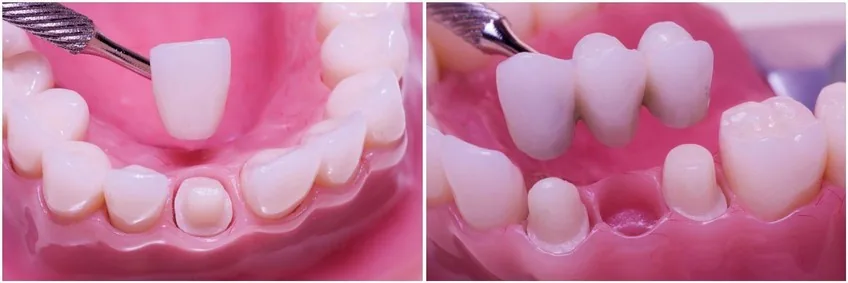
What Is a Dental Crown and When Is It Recommended?
A dental crown is a protective restoration placed over a damaged tooth to replicate its natural form. It is also commonly known as a cap or porcelain cap. Its main purpose is to help the tooth withstand chewing forces while restoring its aesthetic integrity.
Large cavities, fractures, teeth weakened after root canal treatment, or restorations over implants are common indications for this treatment. Research shows that well-planned crown restorations can significantly extend the functional lifespan of a tooth. Crown repair is therefore not just cosmetic, but also a method of structural protection.
The Scientific Planning Process for Dental Crown Repair
A successful dental crown treatment is based on detailed analysis. A clinical assessment is carried out at the first examination, using digital X-rays or three-dimensional imaging where necessary. The aim is to gain a clear understanding of the tooth root, surrounding tissues, and bite relationships.
The following parameters are taken into account during the planning stage:
- The amount of remaining tooth tissue
- Bite and chewing forces
- Aesthetic expectations
- The biocompatibility of the material to be used
A personalised restoration is designed in light of this data. Rather than a generic cap, the goal is a solution suited to the biomechanics of the tooth.
How Do the Stages of Dental Crown Treatment Proceed?
A dental crown repair is usually carried out over several sessions. The duration can vary depending on the material chosen and the condition of the tooth.
In the first session, the tooth is reduced in size to create space for the crown. This ensures that the crown looks like a natural tooth. An impression is then taken and sent to the laboratory. Today, digital scanners make it possible to obtain precise measurements quickly.
In the second stage, a temporary crown is fitted. This temporary crown both preserves the aesthetics and protects the tooth from external factors. In the final session, the permanent crown is tried in, checked for fit, and then cemented in place. At this step, the contact points and bite balance are carefully adjusted.
Types of Dental Crown and the Materials Used
Various dental crown options are available to suit different clinical needs. The choice of material affects both aesthetics and durability.
The table below summarises the main comparison:
|
Type |
Aesthetics |
Durability |
Area of Use |
|
Porcelain |
High |
Medium |
Front teeth |
|
Zirconium |
Very high |
High |
Front and back teeth |
|
Metal-supported |
Medium |
Very high |
Back teeth |
|
Full ceramic |
Natural appearance |
Medium |
Aesthetic zones |
Thanks to their light transmission, zirconium crowns offer the closest appearance to a natural tooth. For this reason, they have become increasingly popular in aesthetic dentistry in recent years.
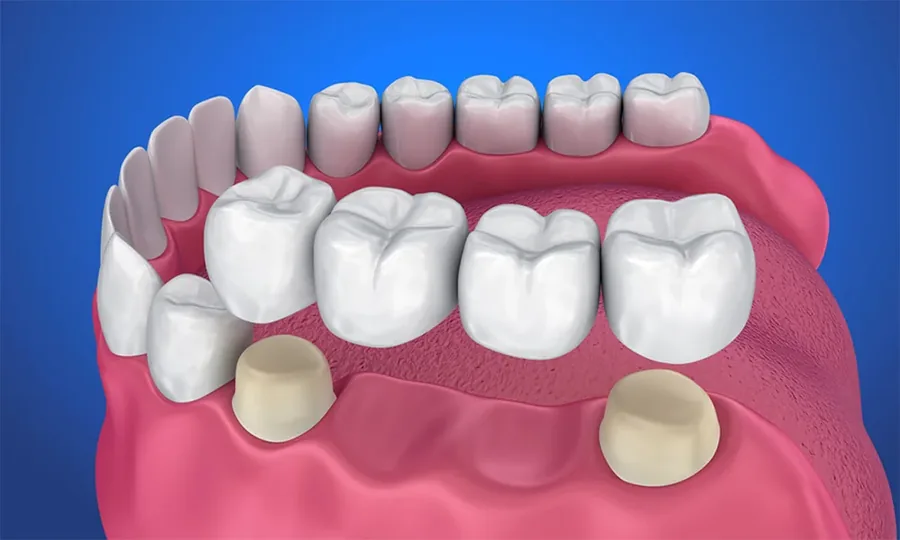
The Adaptation Process After a Dental Crown and Daily Life
After a new dental crown is fitted, the oral tissues may go through a short period of adaptation. It's normal to feel mild sensitivity or a sense of unfamiliarity in the first few days. This feeling eases as the chewing forces settle into balance.
Daily care habits become even more important during this period. Regular brushing, flossing, and professional check-ups directly affect the lifespan of the crown, because even if the crown itself is sound, the success of the restoration can decline if the surrounding gum health deteriorates.
Factors Affecting the Cost of Dental Crown Repair
Dental crown prices are not fixed. Many variables can affect the cost, chief among them being clinical equipment, laboratory quality, and the material chosen.
The key factors are as follows:
- The type of material used
- Laboratory technology
- Any additional treatment requirements
- The dentist's experience
- Number of sessions
Zirconium crowns, for example, are generally more expensive due to their aesthetic advantages. However, when long-term durability is taken into account, they can be regarded by many people as a worthwhile investment.
The Long-Term Durability of Dental Crown Repair
A properly planned dental crown can be used for years without problems. Studies in the literature report a lifespan of 10 to 15 years or more. However, this period varies depending on personal care and habits.
Night-time teeth grinding, hard foods, or inadequate hygiene can shorten the lifespan of a crown. Regular check-ups and preventive care are therefore important. A crown should be thought of as an investment, and proper care increases its value.
Dental Crown Repair with the Doctor Afra Approach
At Doctor Afra, dental crown treatments are not viewed simply as a mechanical capping procedure. Each patient's oral structure, aesthetic expectations, and functional needs are assessed individually.
Digital impression systems, precise laboratory work, and multidisciplinary planning are used to achieve better-fitting restorations. This approach delivers both a natural appearance and long-lasting comfort. The goal is not simply to cap the tooth, but to rebuild the smile as a whole.
Dental crown repair is a reliable and widely used option for protecting a damaged tooth and restoring aesthetic integrity. With proper planning, suitable material selection, and regular care, crowns can function like natural teeth for many years. Understanding the process, weighing up the costs, and clarifying expectations all make the treatment experience more predictable.
With its scientific approach and patient-focused planning, Doctor Afra treats crown repair not simply as a treatment, but as a long-term investment in oral health.
Book an appointment for your smile
Get in touch with us for your questions and treatment options.