

When it comes to dental aesthetics or restorative treatment, Tooth Preparation is often one of the first clinical steps patients encounter. Carried out before veneers, crowns, bridges or certain other prosthetic work, this preparatory process involves the controlled reshaping of the tooth structure. What people are usually most curious about, however, is what happens afterwards. Factors such as sensitivity, dietary habits, oral care routines and the healing process following Tooth Preparation can have a direct impact on both comfort and the long-term success of the treatment.
What Is Tooth Preparation and Why Is It Done?
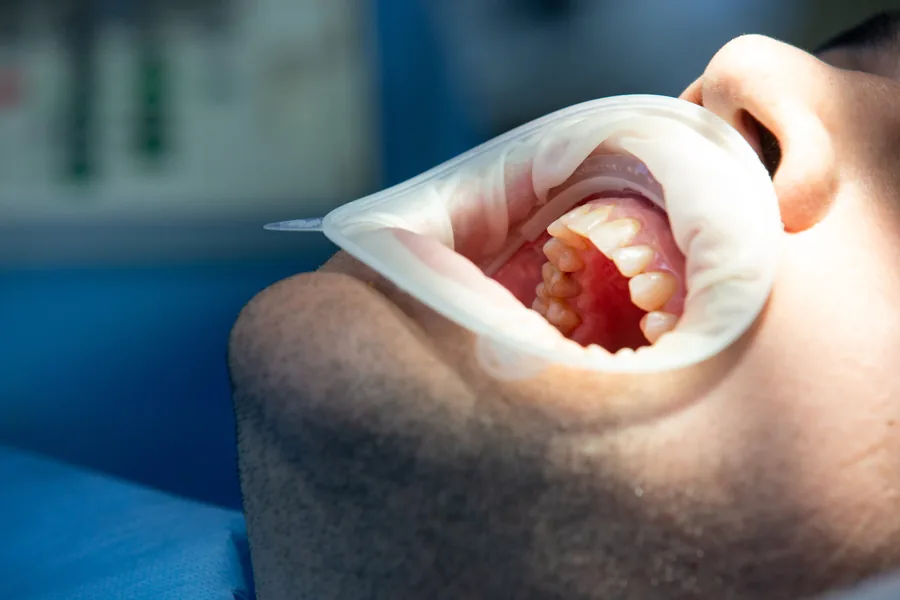
Tooth Preparation is a controlled reshaping procedure in which a millimetre-level amount of enamel and dentine is removed from the outer surface of the tooth. The aim is to allow the restoration that will be placed over it to sit in harmony with the natural tooth, achieving both an aesthetic and a functional result.
This step is typically carried out before crown placement, zirconia restorations, laminate veneers or bridge planning. Once the tooth surface has been made smooth and precisely sized, marginal leakage around the restoration is reduced. Over the long term, this helps limit bacterial build-up and protect gum health.
What Happens in the First Hours After Tooth Preparation?
Immediately after the procedure, mild numbness may be felt in the area where Tooth Preparation was carried out. This is simply the natural effect of the local anaesthetic and wears off within a few hours. Eating while still numb can lead to accidentally biting the lip or cheek without realising it.
Some people may experience temporary sensitivity. It is common for the tooth to react more strongly to hot and cold stimuli, as the thickness of the enamel has been temporarily reduced. This is usually short-lived and decreases noticeably once the restoration is fitted.
Dietary Habits After Tooth Preparation
What you eat after Tooth Preparation plays an important role in comfort. Very hot, very cold or hard foods can increase sensitivity, whereas choosing lukewarm, soft options makes everyday life more comfortable.
The table below summarises foods that can be favoured, and those best avoided, in the first few days after the procedure:
|
Foods to Favour |
Foods to Limit |
|
Warm soups |
Iced drinks |
|
Yoghurt, purées |
Hard nuts |
|
Soft sandwiches |
Very hot coffee |
|
Boiled vegetables |
Sticky sweets |
These suggestions are for comfort purposes only. Individual tolerance can vary.
Oral Care and Hygiene After Tooth Preparation
Many people are hesitant to brush after Tooth Preparation. In fact, regular, gentle cleaning helps prevent plaque build-up and supports healing. Using a soft-bristled brush generally makes for a more comfortable experience.
Flossing and interdental cleaning are also important. Maintaining gum health before the restoration is placed helps the final result last longer, while antiseptic mouthwashes may help ease temporary sensitivity. However, not every product will suit every patient.
Sensitivity and Normal Findings After Tooth Preparation
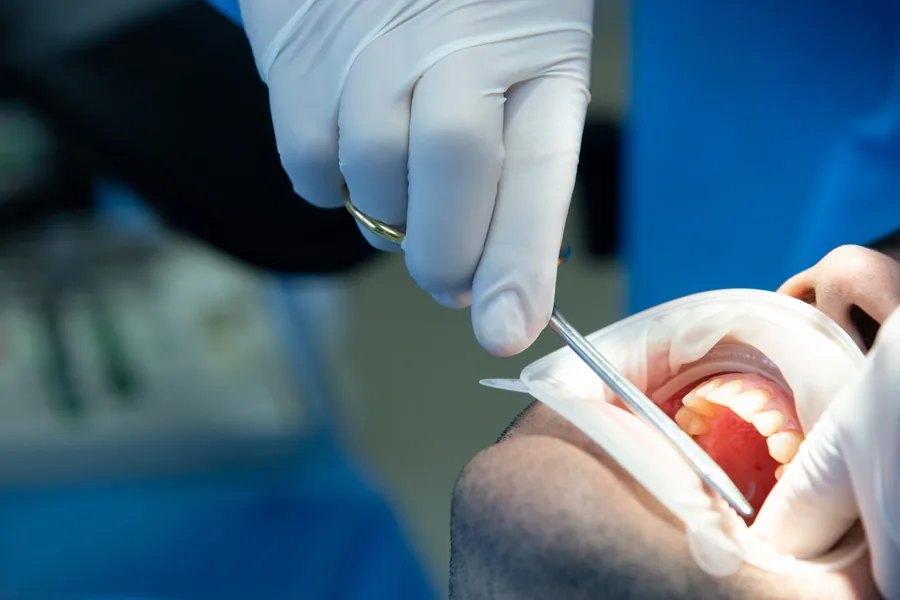
The sensitivity seen after Tooth Preparation is often an expected finding. As the enamel layer becomes thinner, the dentinal tubules become more exposed and respond more quickly to external stimuli. This can be a temporary phase.
The following are generally considered normal:
- Mild sensitivity to hot and cold
- Brief twinges while chewing
- A temporary feeling of fullness
- Slight gum redness
If, however, different symptoms appear, such as severe pain or prolonged throbbing, contacting the clinic can offer greater peace of mind.
Use of Temporary Crowns After Tooth Preparation
In some treatment plans, once Tooth Preparation is complete, a temporary crown is fitted until the permanent restoration is ready. These temporary crowns protect the tooth from both mechanical impact and sensitivity.
Temporary materials are not as durable as permanent ones, so sticky chewing gum or hard foods can dislodge the crown. Handling it gently makes the waiting period go much more smoothly.
Returning to Daily Life After Tooth Preparation
Most patients can return to their normal routine on the same day as Tooth Preparation. Since the procedure is not surgical, recovery is relatively quick, meaning it has minimal impact on social and professional life.
Exercise, speaking and office work are generally not affected. It simply helps, in the first few days, to avoid habits that place excessive pressure on the teeth — biting on a pen or clenching, for example, can increase temporary sensitivity.
The Long-Term Effects of Tooth Preparation
Correctly planned Tooth Preparation is a critical step that determines how long the restoration will last. A well-matched preparation line improves the marginal fit of the crown and reduces the risk of microleakage.
Clinical observations in the literature show that restorations placed after Tooth Preparation performed with the correct technique can remain trouble-free for years. The decisive factor here is the patient's care routine and regular check-ups.
The Tooth Preparation Experience with Doctor Afra's Approach
At Doctor Afra, the Tooth Preparation protocols applied are based on minimally invasive principles. The aim is to remove as little tooth structure as possible while achieving maximum fit. Digital measurement systems and magnification equipment help increase precision.
This approach both shortens treatment time and increases patient comfort. With personalised planning, each Tooth Preparation process is also shaped around individual anatomical differences, making the treatment bespoke rather than standardised.
In short, Tooth Preparation is not merely a technical preparatory stage. The care, diet and hygiene habits that follow play an important role in the success of the treatment, and with a few small daily precautions this process can be a comfortable one.
Having accurate information reduces uncertainty and provides reassurance. Doctor Afra's patient-focused approach aims to make the period following Tooth Preparation both predictable and comfortable. With planning grounded in scientific principles, aesthetic and functional outcomes become more sustainable.
Book an appointment for your smile
Get in touch with us for your questions and treatment options.