

When it comes to oral and dental health, restorations using Dental Fillings are among the most common treatments encountered. Used to repair decayed, chipped or worn tooth structure, Dental Fillings are seen by most people as a fairly routine procedure. Some patients, however, begin to notice unusual symptoms afterwards and start to ask: could Dental Fillings actually cause an allergic reaction?
This question has been discussed more and more in recent years, both by patients and by the scientific community, because the tissues inside the mouth are notably sensitive and reactive compared with other parts of the body. The interaction between filling materials and the immune system can, in some individuals, lead to unexpected outcomes.
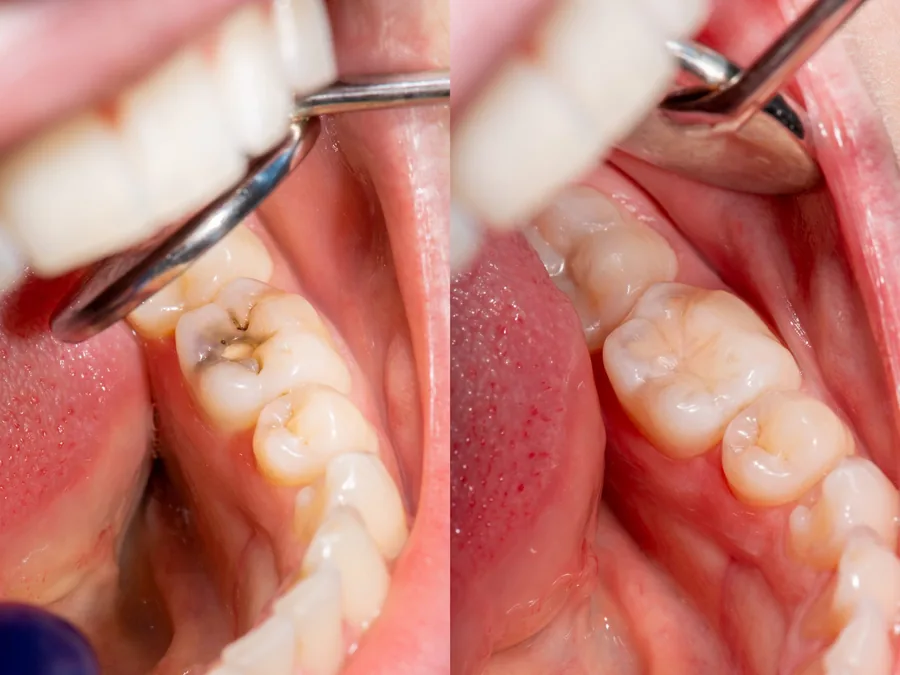
What Are Dental Fillings and Which Materials Are Used?
Dental Fillings involve filling the cavity left after decayed or damaged tooth tissue has been cleaned away with biocompatible materials, restoring both the function and appearance of the tooth.
Materials used for Dental Fillings today include:
- Amalgam fillings
- Composite resin fillings
- Ceramic-based fillings
- Glass ionomer fillings
Each type of filling contains different chemical components, which remain in constant contact with saliva, the oral bacterial flora and the mucosal tissues. In some individuals, this contact can prompt a different immune response.
Although the scientific literature emphasises that reactions related to Dental Fillings are rare, it is also accepted that they are not entirely impossible.
How Could Dental Fillings Cause an Allergy?
Allergic reactions generally arise when the immune system perceives a foreign substance as a threat. Certain metals, resins or bonding agents found in Dental Fillings may be recognised by the body as foreign.
This is usually explained through the following mechanisms:
- Contact-type hypersensitivity
- A delayed-type immune response
- Mucosal irritation and inflammation
Metal-containing Dental Fillings, in particular, have been the subject of more debate among individuals with metal sensitivity. However, the possibility of sensitivity to resin monomers is also documented in the scientific literature in relation to composite-based Dental Fillings.
What matters here is that not every uncomfortable sensation means an allergy — burning, sensitivity or a change in taste inside the mouth can also arise from other causes.
Possible Symptoms After Dental Fillings
Some people notice unusual sensations in the mouth after receiving Dental Fillings. These symptoms do not always indicate an allergic reaction, but they do warrant careful assessment.
The most frequently reported symptoms are:
- A burning sensation in the mouth
- Redness on the tongue or cheek mucosa
- A metallic taste
- Sensitivity that does not resolve quickly
- A localised feeling of swelling
Research shows that most of these symptoms are temporary and may simply relate to the process of adapting to the filling. In some cases, however, more persistent reactions have been reported in tissues in contact with Dental Fillings.
Scientific studies emphasise that such cases occur at low rates, and specifically caution against generalising from them.
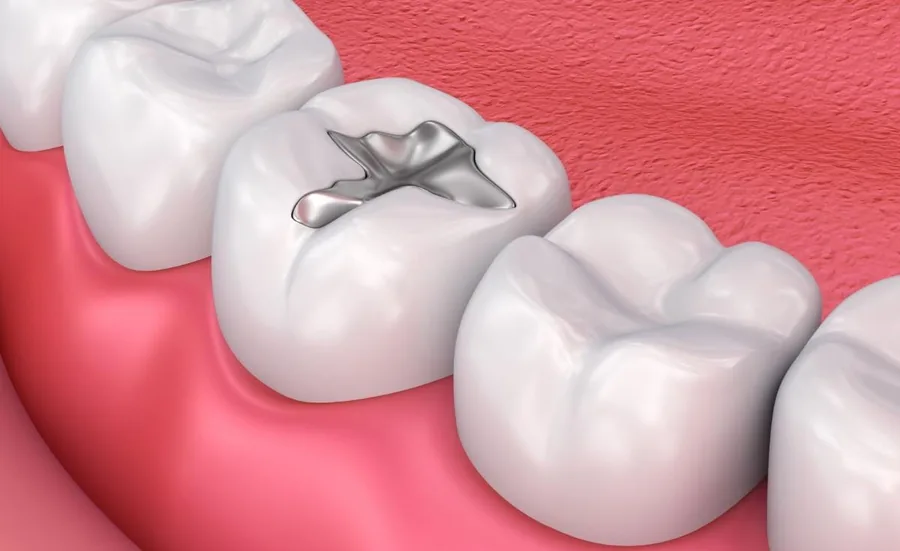
Which Dental Fillings Attract the Most Debate?
When it comes to the possibility of allergy, certain Dental Fillings come up more often, largely because of the potential for the substances they contain to interact with the immune system.
Amalgam Dental Fillings have been debated for many years because of the metal alloys they contain. Elements such as mercury, silver and tin have been studied for their potential to trigger different reactions in sensitive individuals.
Composite Dental Fillings, despite their aesthetic advantages, have also been examined amid claims that their resin-based structure could cause irritation in some people.
Ceramic and glass ionomer Dental Fillings are generally regarded more favourably in terms of biocompatibility, though it is worth remembering that every individual's oral structure and immune system are different.
What Does the Scientific Research Say About Dental Fillings?
Numerous studies in the scientific literature examine the relationship between Dental Fillings and allergy. The majority of this research shows that filling materials are safe for the general population.
Some studies, however, indicate that individuals with certain genetic predispositions can show different immune responses after contact with Dental Fillings. In particular, people found to have metal sensitivity through dermatological testing may show similar reactions to materials used inside the mouth.
The findings of this research converge on a few common points:
- Allergic reactions are rare
- Symptoms are mostly localised and mild
- Causality is not always clear-cut
For this reason, the scientific community stresses the importance of individual assessment when it comes to Dental Fillings.
What Should You Be Mindful of Before and After Dental Fillings?
Before Dental Fillings are placed, patients being aware of their own medical history can make the process a more informed one. If sensitivity to metal, jewellery or cosmetic products has occurred in the past, it is important to share this with the clinician.
After the filling, it is advisable to keep an eye on any changes within the mouth. Sensitivity that resolves quickly is generally considered normal, whereas prolonged, uncomfortable symptoms may call for a separate assessment.
Scientific sources are careful to emphasise that not every symptom experienced after Dental Fillings should be labelled an allergy. The adaptation process of the oral tissues can vary considerably from person to person.
Common Misconceptions About Dental Fillings
Some ideas circulating about Dental Fillings do not align with the scientific evidence. Exaggerated claims, especially online, suggest that filling materials cause serious allergies in every individual.
Current scientific analysis, however, shows that Dental Fillings are safe for the vast majority of people. The possibility of an allergy is far too individual a matter to be generalised.
For this reason, it is important to rely on content grounded in research and clinical observation, rather than misinformation.
How Should the Relationship Between Dental Fillings and Allergy Be Viewed?
In short, the relationship between Dental Fillings and allergy is complex and multi-layered. The scientific evidence shows that such reactions are rare, but should not be dismissed entirely.
Every individual's immune system, oral flora and genetic make-up are different, and these differences mean that experiences following Dental Fillings are inherently personal too.
From Doctor Afra's perspective, the healthiest approach is to look at this topic with an informed, analytical mindset rather than fear or fixed assumptions. Being well informed is always the strongest step you can take on your oral and dental health journey.
Book an appointment for your smile
Get in touch with us for your questions and treatment options.