

Tooth decay is regarded as one of the most common oral health problems of modern life. Daily habits, dietary choices, the oral ecosystem and individual care routines can all directly or indirectly influence the development of tooth decay. For this reason, the topic isn't limited to teeth alone — it's a natural reflection of lifestyle.
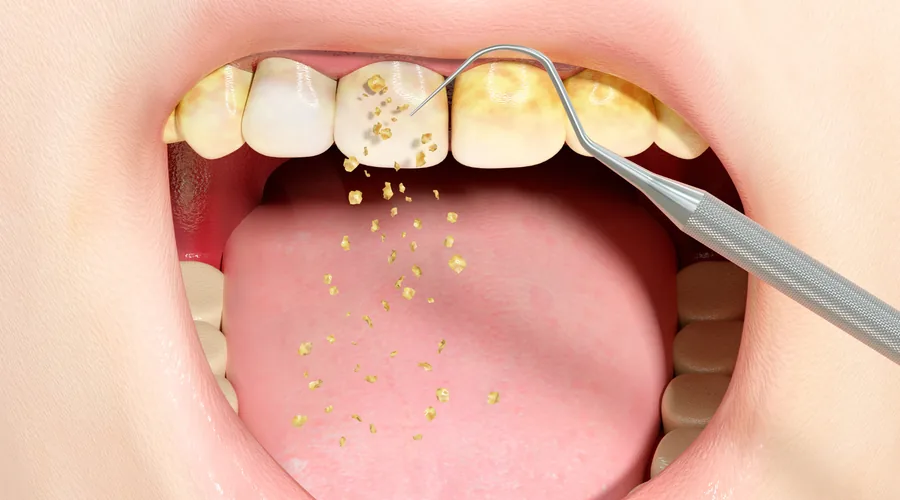
What Is Tooth Decay and How Does the Process Develop?
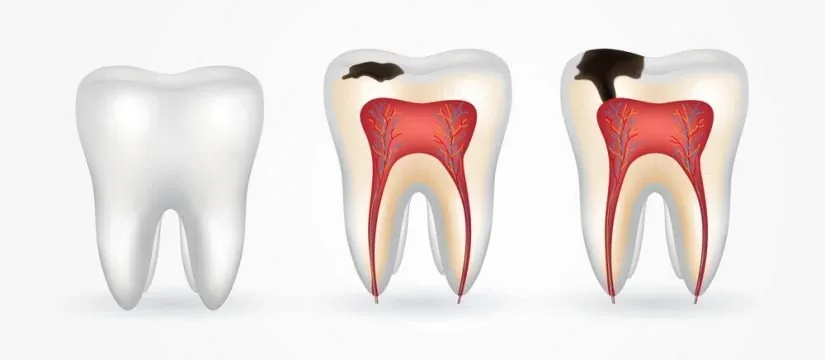
Tooth decay is a multi-stage process that begins on the surface of the tooth and can progress into deeper tissue over time. Bacteria naturally present in the mouth interact with the food we eat to create an acidic environment, which can gradually weaken the structure of the enamel.
Research shows that tooth decay doesn't develop suddenly but progresses gradually. Mineral loss occurs in the first stage, and this usually isn't visible to the naked eye. In later stages, discolouration and surface roughness can appear. For this reason, tooth decay is often described as a silently progressing process.
In the scientific literature, tooth decay is treated not simply as a localised problem but as a disruption of the biological balance within the mouth. This perspective allows for a more comprehensive understanding of how tooth decay develops.
The Balance of Oral Bacteria in the Development of Tooth Decay
The oral cavity is home to hundreds of different types of bacteria. Not all of these are harmful — on the contrary, a balanced oral flora is one of the cornerstones of oral health. However, when this balance is disrupted, it can create the right conditions for tooth decay.
Frequent consumption of sugary and acidic foods can cause certain types of bacteria to multiply excessively. These bacteria ferment food residue and produce acid. A prolonged acidic environment can reduce the enamel's natural resistance and increase the risk of tooth decay.
Scientific studies show that oral flora is unique to each individual. This is why tooth decay doesn't develop at the same rate or in the same way for everyone. Factors such as genetic predisposition, saliva composition and lifestyle can all influence the process.
The Relationship Between Tooth Decay and Dietary Habits
Diet is one of the most widely discussed topics when it comes to the development of tooth decay. However, what matters here isn't just what is eaten, but how and how often. Analyses show that frequent snacking spread throughout the day can prolong the acidic conditions inside the mouth.
Diets high in carbohydrates have been the subject of extensive research in relation to tooth decay. It's known that sticky foods, in particular, can remain on the tooth surface for longer, which can extend the length of time bacteria spend producing acid.
Fibrous foods, on the other hand, are said to stimulate saliva flow and so indirectly support the mouth's natural cleaning process. Findings like these show that tooth decay can't be explained by sugar consumption alone.
Daily Habits That Can Increase the Risk of Tooth Decay
Some everyday habits we're not even aware of can affect the risk of tooth decay. For example, late-night snacking coincides with a period when saliva flow naturally decreases, which can put pressure on the balance inside the mouth.
Studies also suggest that tooth decay occurs more frequently in people who experience prolonged dry mouth. Saliva is an important biological fluid that naturally rinses the tooth surface and neutralises acids.
Some research suggests that stress can indirectly contribute to the development of tooth decay. Changes in eating patterns or lapses in oral care routines during stressful periods can affect this process.
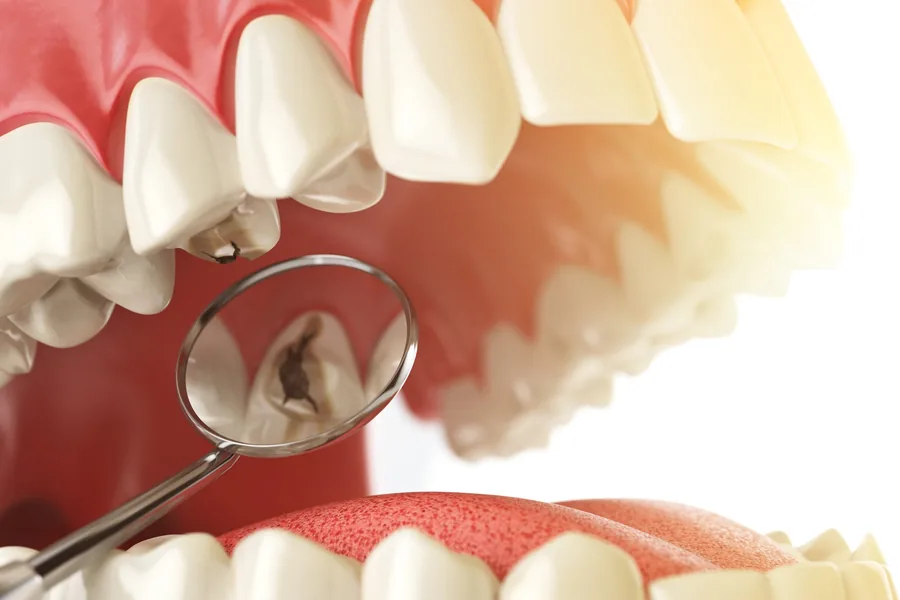
How Can Tooth Decay Be Detected Early?
In its early stages, tooth decay usually doesn't cause pain, which makes it harder to notice. However, careful observation can pick up on certain signs. These include a loss of shine on the tooth surface and white or brownish staining.
Scientific data shows that when tooth decay is detected early, the process can be managed in a more controlled way. This is why it's important for people to develop awareness of changes taking place inside the mouth.
Sensitivity to hot, cold or sweet stimuli is also considered one of the signs that can be linked to tooth decay. However, these sensations don't always mean decay is present, which shows just how multi-dimensional this topic is.
Scientific Approaches to Preventing Tooth Decay
The scientific community has been carrying out extensive research for many years to understand and reduce the development of tooth decay. These studies show that multiple factors need to be considered together, rather than focusing on a single cause.
Analyses conducted in recent years show that approaches focused on balancing the oral microbiota are gaining importance. This perspective offers a broader view of tooth decay that goes beyond mechanical cleaning alone.
Doctor Afra's scientific approach is likewise built on this multi-faceted way of thinking. When addressing the development of tooth decay, individual differences, environmental factors and current research findings are all interpreted together.
The Relationship Between Tooth Decay and Oral Care Habits
Tooth decay is a multi-layered process directly linked to oral care habits. But this relationship isn't limited to how often the teeth are cleaned. Academic studies show that the timing, method and consistency of care can also be decisive factors in the development of tooth decay.
In people with an irregular oral care routine, microbial plaque that builds up on the tooth surface can remain in the mouth for longer. This can create the biochemical conditions that may speed up the process of tooth decay. However, the scientific literature also stresses that each individual's oral response is different.
According to research findings, the relationship between the development of tooth decay and oral care habits isn't linear but interactive in nature. For this reason, multi-faceted assessments are made rather than one-size-fits-all generalisations.
Daily Factors That Influence the Development of Tooth Decay
Tooth decay isn't a process that begins in the mouth alone. Everyday practices can indirectly influence this process. Scientific analyses show that certain habits are more frequently associated with the risk profile of tooth decay.
Below are the daily factors linked to tooth decay:
- Frequent snacking spread throughout the day
- Food and drink consumed late at night
- Living conditions linked to prolonged dry mouth
- Changes in diet during periods of intense stress
- Irregular oral care routines
None of these factors is considered a cause of tooth decay on its own. But taken together, they offer important clues as to how the process can take shape.
Tooth Decay and the Effect of Different Food Types on the Oral Environment
The composition of food is one of the topics frequently studied in relation to the development of tooth decay. What matters here isn't just the content of the food, but how long it stays in the mouth and how it breaks down. Scientific publications show that certain types of food can remain on the tooth surface for longer.
The table below summarises the food characteristics linked to tooth decay:
|
Food Characteristic |
Effect Inside the Mouth |
Possible Link to Tooth Decay |
|
Sticky texture |
Clings to the tooth surface for longer |
Prolonged acidic effect |
|
Liquid form |
Disperses quickly |
Brief contact time |
|
Fibrous texture |
Can stimulate saliva flow |
Indirect balancing effect |
|
Acidic content |
Can cause a drop in pH |
May be linked to enamel sensitivity |
This table demonstrates, within a scientific framework, that tooth decay cannot be explained by the concept of sugar alone.
Tooth Decay and the Scientific Importance of Saliva
Saliva is an element that is often overlooked but plays a critical role in the development of tooth decay. The minerals it contains play an active part in maintaining the pH balance inside the mouth. Research shows that rates of tooth decay can vary in individuals whose saliva volume and composition differ.
Scientific reports draw attention to the following functions of saliva:
- Buffering the acidic environment
- Naturally rinsing the tooth surface
- Helping to maintain mineral balance
These mechanisms show that the development of tooth decay depends not only on external factors but also on the body's own biological systems.
Genetic and Individual Differences in the Development of Tooth Decay
Tooth decay can develop at different rates and in different forms from one person to another. Factors such as genetic make-up, enamel density and saliva composition can underlie these differences. Academic studies show that the development of tooth decay can vary even among individuals living under the same environmental conditions.
This explains why tooth decay needs to be assessed on an individual basis. Genetic predisposition isn't the only factor that determines the process, but it is an important piece of the overall picture.
From a scientific perspective, tooth decay is a dynamic process that takes shape at the intersection of genetic and environmental factors.
Interpreting Current Scientific Findings on Tooth Decay
Studies published in recent years show that the development of tooth decay is strongly linked to the microbial balance inside the mouth. These studies emphasise that cavities aren't an isolated problem, but can instead be a result of changes within the oral ecosystem.
Some recent reports show that lifestyle changes can affect the distribution of bacteria in the mouth, and that this can be indirectly reflected in the process of tooth decay. This approach clearly demonstrates why the topic continues to be so widely researched.
Tooth decay is too multi-dimensional a topic to be explained by simple cause-and-effect relationships. Oral bacteria, saliva composition, dietary habits and individual factors all come together to shape this process.
Book an appointment for your smile
Get in touch with us for your questions and treatment options.