

When it comes to oral health, problems that seem minor can sometimes lead to more complex consequences than expected. In particular, when a tooth that has been marked for extraction isn’t removed in time, the result can be more than just local pain — a chain reaction affecting the surrounding tissues can develop. This can create a ripple effect reaching from the jawbone to the digestive system, and even to overall quality of life.
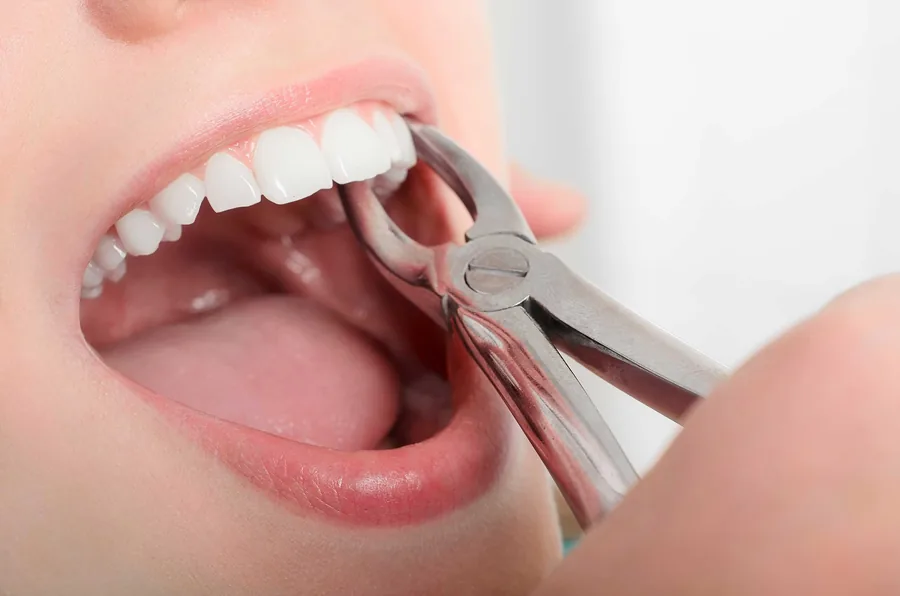
How Does the Infection Process Begin If a Decayed or Damaged Tooth Is Left in the Mouth?
A damaged tooth is essentially an open door for bacterial colonies. A crack or cavity in the enamel makes it easier for bacteria to reach the dentine and pulp tissue. Because these areas contain blood vessels and nerves, micro-organisms can multiply rapidly.
Once an infection begins, the body’s defence system kicks in. Swelling, sensitivity and throbbing are, in fact, the result of this immune response. If left untreated, however, this local reaction can develop into an abscess — a build-up of inflammation in an enclosed space, where pain increases as pressure builds.
Over time, bacteria can spread to the surrounding tissues, putting not just a single tooth but also the neighbouring teeth and gums at risk.
How Does an Unextracted Tooth Affect the Jawbone?
Many people associate dental problems only with the tooth surface. In reality, every tooth is directly connected to the jawbone. Chronic infection developing at the root tip can lead to tissue loss in the bone, known as resorption.
When bone tissue encounters inflammation, it begins to break down as a defensive response. This appears as dark areas on X-rays. Over time, bone density decreases and support is lost.
As bone loss progresses, planning for an implant or denture can also become more difficult. In other words, a seemingly simple tooth problem can limit future treatment options.
Effects on Adjacent Teeth and Gum Tissue
The structures within the mouth are not independent of one another. Every tooth is in contact with its neighbour and works alongside it. When a problematic tooth that needs to be extracted spreads infection, the gum pocket around it can deepen.
These pockets create hiding places for bacteria. As a result, gum diseases such as gingivitis or periodontitis can develop. Gum recession and bleeding are among the most common findings.
Secondary decay can also form on the surfaces of neighbouring teeth. In other words, a single problem area can create a domino effect over time.
How Does an Unextracted Tooth Affect Daily Quality of Life?
Oral health isn’t just about aesthetics — chewing, speech and social interaction are all directly affected. A painful tooth can lead to avoiding hard foods, which in turn changes eating patterns.
Inadequate chewing can put a strain on the digestive system. In addition, persistent pain reduces sleep quality and concentration. Some studies show that individuals experiencing chronic dental pain have raised levels of stress hormones.
In short, a neglected tooth can affect quality of life more than one might expect.
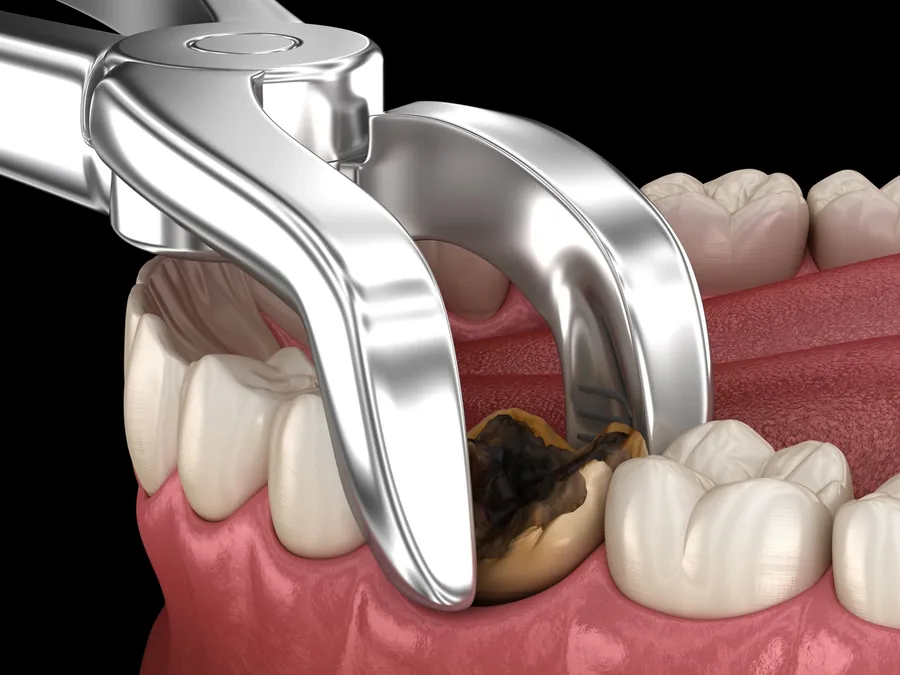
Why Are Impacted or Partially Erupted Tooth Problems Risky?
Third molars, commonly known as wisdom teeth, often remain partially impacted. This position creates areas that are difficult to clean, increasing plaque build-up.
An infection known as pericoronitis can develop in this area. Swelling, restricted mouth opening and bad breath are typical symptoms. The infection can sometimes even spread to the throat and neck.
An impacted tooth can also put pressure on neighbouring tooth roots, leading to orthodontic problems.
Can an Unextracted Tooth Be Linked to Systemic Health?
The connection between oral and overall bodily health is being studied more and more. It is thought that chronic oral infections may affect various organs through the circulatory system.
An infected tooth can allow bacteria to enter the bloodstream. This can pose a risk, particularly for individuals with weakened immunity. Cases linked to heart valves and the respiratory tract have been reported in the literature.
For this reason, a tooth problem should not be regarded as a purely local issue. The mouth is the body’s gateway, and it requires a holistic perspective.
In Which Situations Is Tooth Extraction More Commonly Considered?
Not every tooth problem requires extraction, but certain scenarios come up more frequently.
The table below summarises common situations:
|
Situation |
Possible Cause |
Outcome |
|
Advanced decay |
Tissue loss |
Restoration may not be possible |
|
Fractured root |
Trauma |
Pain and infection |
|
Impacted tooth |
Eruption problem |
Risk of infection |
|
Severe bone loss |
Periodontal disease |
Mobility |
Tables like this make it easier to understand why extraction may be discussed as an option for a given tooth.
A Scientific Perspective and General Approach
Modern dentistry aims to preserve natural tooth tissue wherever possible. However, in some cases, extraction may be a rational choice for stopping the chain of infection.
Research shows that untreated dental infections tend to be progressive in nature, which is why early assessment is always the more advantageous option.
What matters most is that individual circumstances are analysed by a specialist. There is no one-size-fits-all approach for every tooth.
When a tooth recommended for extraction is left in the mouth, the process involves far more than pain alone. Multi-layered effects can be seen, including infection, bone loss, gum problems and a decline in quality of life. When oral health is considered as a whole, it becomes clear that a small oversight can lead to much broader consequences.
This guide, prepared by Doctor Afra, addresses the topic within a scientific yet accessible framework, aiming to help you make an informed decision.
Book an appointment for your smile
Get in touch with us for your questions and treatment options.