

When it comes to oral health, Cracked Teeth are often difficult to notice, yet can lead to serious consequences if neglected. A sudden twinge felt while biting into something hard, sharp sensitivity after a hot drink, or unexplained pain while chewing can often be early warning signs of a cracked tooth. Clinical observations at the Doctor Afra clinic show that tooth cracks beginning at a microscopic level may not produce symptoms in the early stages, but can affect the tooth's structural integrity as they progress.
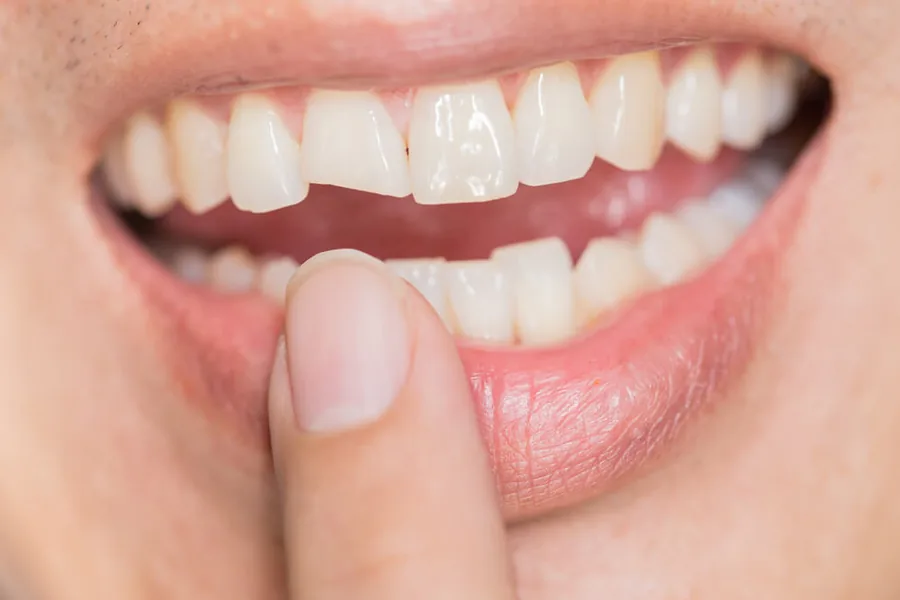
What Are Cracked Teeth and How Do They Form in Tooth Structure?
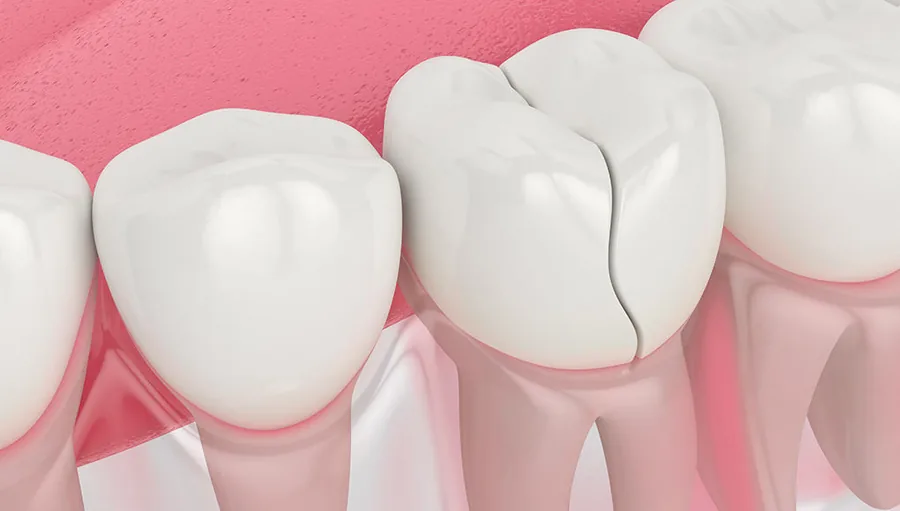
Cracked Teeth are characterised by fine fracture lines that form in the enamel or in deeper layers. These fractures can be superficial, or they can extend into the dentine layer or, rarely, into the pulp tissue. Although tooth tissue is one of the hardest structures in the human body, it is not entirely unbreakable. The enamel layer is strong thanks to its high mineral content, but its elasticity is limited.
Teeth are subjected to considerable forces during chewing. The back molars in particular function under many kilograms of pressure. This repeated load over many years can lay the groundwork for microscopic cracks to form. Research shows that as we age, the enamel loses water content and elasticity, which can increase susceptibility to tooth cracks.
Cracked teeth are usually not visible to the naked eye. The fine lines that become more visible under light often only become clear with magnifying examination devices. For this reason, early diagnosis is not always easy.
Why Do Cracked Teeth Occur?
The formation of Cracked Teeth is usually the result of more than one factor rather than a single cause. Biomechanical stress on the tooth tissue, environmental influences and individual habits can all trigger this process.
Main Risk Factors
- Teeth clenching and grinding habits
- Frequent consumption of hard, crunchy foods
- Trauma or impact
- Large, old fillings
- Sudden changes in temperature
The teeth-clenching habit known as bruxism, in particular, causes the teeth to be exposed to uncontrolled, high pressure throughout the night. Over the long term, this can cause micro-cracks to form on the enamel surface.
In addition, teeth restored with large amalgam or composite fillings may have a reduced amount of natural tooth structure remaining. This can make the tooth more likely to crack under stress. A traumatic impact can lead to a sudden, obvious fracture, but it can also create micro-cracks that go unnoticed at first.
What Symptoms Do Cracked Teeth Present?
Cracked Teeth do not always present with obvious pain. In fact, in some cases a person may not know they have a cracked tooth for years. However, certain symptoms can be worth noting.
The most commonly reported symptoms include:
- Sudden, sharp pain while chewing
- Sensitivity to cold or hot
- Sensitivity to sweet foods
- Discomfort that increases with pressure at a specific point
These symptoms are usually intermittent. A patient may feel pain at times and have no complaints at all at others. This is because the crack line temporarily opens and closes during chewing. As the crack deepens, the pulp tissue can become affected and symptoms may become more pronounced.
This condition, referred to in the scientific literature as cracked tooth syndrome, is generally considered a clinically challenging condition to diagnose, because a clear fracture line does not always show up on X-ray images.
How Are Cracked Teeth Diagnosed?
Cracked Teeth are usually diagnosed through detailed clinical examination. The dentist can examine fracture lines on the enamel surface using special light sources and magnification systems. Certain tests may also be applied.
Diagnostic Methods Used
|
Method |
Purpose |
|
Transillumination |
Identifying the crack line via light transmission |
|
Bite test |
Locating the point of pain while chewing |
|
Dental microscope |
Observing microscopic fractures |
|
Digital X-ray |
Assessing deeper damage |
The transillumination method is based on shining a strong light through the tooth from behind. Crack lines become visible because they interrupt the passage of light. In addition, the location of the pain can be identified by having the patient bite on a small stick.
What matters during diagnosis is a detailed assessment of the symptoms, as similar symptoms can also be seen in other dental problems.
How Are Cracked Teeth Treated?
The approach taken for Cracked Teeth can vary depending on the depth of the crack and which layer of the tooth it affects. Superficial enamel cracks may not always require active intervention, whereas deeper fractures may need to be supported with restorative procedures.
Possible approaches include bonding, crown restorations, or, in advanced cases, root canal treatment. The aim is to preserve the integrity of the tooth and distribute chewing forces evenly.
In some cases, the tooth may have split completely in two. In such cases, whether the tooth can be saved requires detailed assessment. Cracks noticed at an early stage are generally considered to have a more favourable prognosis.
Can Cracked Teeth Be Prevented?
While Cracked Teeth cannot be entirely prevented, it is possible to reduce the risk factors. For individuals with a teeth-clenching habit, using a night guard can reduce stress on the teeth. Consuming hard, crunchy foods with care is also important.
Regular dental check-ups are valuable for the early detection of microscopic cracks. Periodic assessment of teeth with large fillings, in particular, is recommended. In addition, using a mouthguard can be supportive for individuals who play sports with a risk of trauma.
Tooth tissue is a living structure that changes over time. For this reason, a preventive approach should be viewed not just as a habit but as a long-term strategy.
The Importance of Early Awareness in Dental Health
Although Cracked Teeth may look like a small line at first glance, they can have significant consequences for the biomechanics of the tooth. The fact that they may not produce symptoms in the early stages can make the situation more complex. However, with regular check-ups, accurate diagnostic methods and personalised planning, the integrity of the tooth can be preserved.
At Doctor Afra, our aim is not only to assess the existing problem but also to offer a holistic view aimed at understanding the natural balance of tooth structure. In light of scientific data, the fact that every individual's oral structure is different is taken into account, because a healthy smile is the result not only of aesthetics but also of functional harmony.
Book an appointment for your smile
Get in touch with us for your questions and treatment options.