

When it comes to oral and dental health, a cracked tooth is one of the hardest problems to spot. That's because a cracked tooth is often invisible to the naked eye, doesn't show up clearly on X-rays, and its symptoms can easily be confused with other dental issues. Brief twinges felt in daily life, or sudden pain while chewing, are often dismissed by many people as unimportant. Yet these small signals can be an early warning of more complex dental problems down the line.
What Is a Cracked Tooth and How Does It Form?
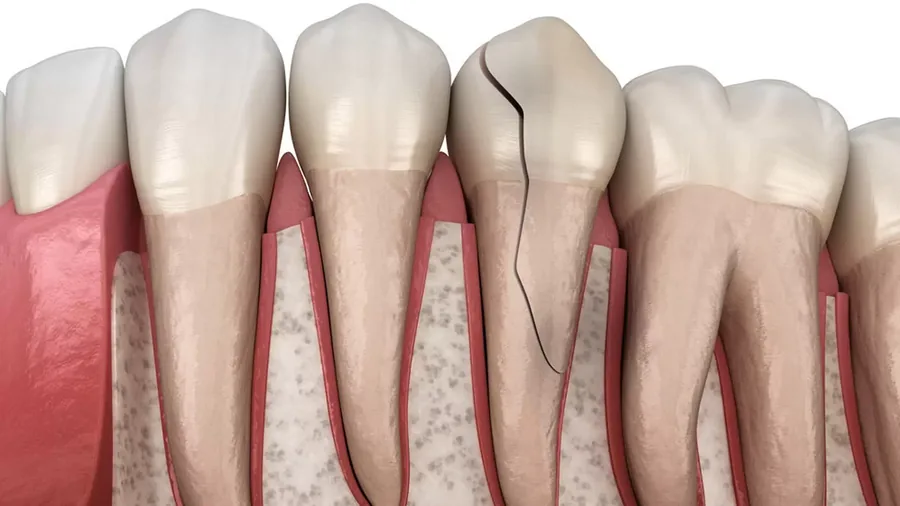
A cracked tooth refers to microscopic or macroscopic fracture lines that start in the enamel and extend towards the dentine layer. These cracks don't always have to be large enough to split the tooth in two — they are often too fine to be noticed with the naked eye.
Everyday habits play an important role in the formation of a cracked tooth. Hard, crunchy foods, teeth clenching, sudden shifts between hot and cold, and large pre-existing fillings can all cause stress to build up in the tooth structure. Over time, this stress paves the way for cracks to develop.
According to scientific studies, although natural tooth structure is elastic, repeated micro-trauma can push it beyond its elastic limit. This is where the concept of a cracked tooth emerges, and it typically progresses silently.
What Are the Symptoms of a Cracked Tooth?
The symptoms of a cracked tooth can resemble other forms of tooth sensitivity, which makes it harder to spot early on. The most commonly reported symptoms include sudden, short-lived pain.
Pain that is felt specifically while chewing and disappears once the pressure is released is a particularly telling sign among the symptoms of a cracked tooth. Temporary twinges after contact with hot or cold food can also accompany this picture.
In some people, a cracked tooth may present as nothing more than a vague, uncomfortable sensation, without any obvious pain. For this reason, the severity of symptoms varies from person to person and cannot be taken as conclusive on its own.
Why Does Cracked Tooth Pain Vary So Much?
The reason cracked tooth pain isn't always felt at the same intensity lies in tooth anatomy. The depth and direction of the crack, and its distance from the pulp tissue, determine the character of the pain.
If a superficial cracked tooth affects only the enamel layer, the pain may be brief and mild. But as the crack advances into the dentine layer, it gets closer to the nerve endings and sensitivity increases.
Research shows that the crack line opens and closes under chewing force, and that this mechanical movement is what triggers the sensation of pain. As a result, cracked tooth pain can sometimes feel like it comes and goes.
What Happens If a Cracked Tooth Is Left Untreated?
A cracked tooth that's left untreated can pave the way for more complex dental problems over time. The crack line can create a pathway for bacteria to reach the inner tissues of the tooth.
In this process, the tooth pulp can become affected and inflammatory reactions can develop. Not every cracked tooth necessarily progresses to this stage, but the risk increases over time — particularly in areas subject to higher chewing forces, where the crack can deepen.
The scientific literature notes that the likelihood of tooth loss increases in cases of a cracked tooth that goes unnoticed for a long time. This should be viewed as a possible scenario rather than a certain outcome.
Differences Between a Cracked Tooth and a Broken Tooth
A cracked tooth and a broken tooth are frequently confused with one another. Yet there are important differences between the two, both structurally and clinically.
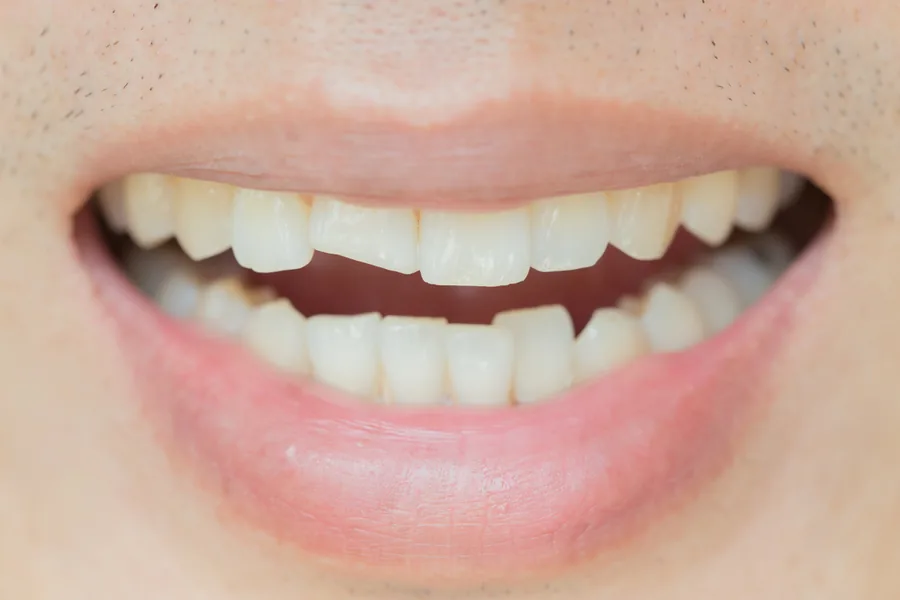
A broken tooth is generally the result of sudden trauma and is visible to the eye. A cracked tooth, on the other hand, tends to develop over time and is often invisible, which makes the diagnostic process more complex.
The table below summarises the key differences:
|
Feature |
Cracked Tooth |
Broken Tooth |
|
Formation Process |
Gradual |
Sudden |
|
Visibility |
Usually invisible |
Usually visible |
|
Pain Type |
Variable |
Can be constant |
|
Diagnostic Difficulty |
High |
Low |
These differences clearly show why a cracked tooth requires closer attention.
Why Is Diagnosing a Cracked Tooth So Difficult?
The main reason diagnosing a cracked tooth is difficult is that it doesn't always show up clearly on standard imaging methods. X-rays can fall short depending on the direction of the crack.
For this reason, the diagnostic process combines clinical examination, the symptoms reported by the patient, and special tests. Bite tests, transillumination methods and magnification systems can all be helpful at this stage.
Scientific approaches recommend a holistic assessment rather than relying on a single finding when a cracked tooth is suspected — which explains why diagnosis can take time.
How Does a Cracked Tooth Affect Daily Life?
A cracked tooth can affect daily quality of life without the person even realising it. They may start avoiding hard foods or unknowingly switch which side of the mouth they chew on.
Over time, these behavioural changes can lead to secondary problems such as jaw muscle fatigue, wear on the opposing teeth, and uneven load distribution. In this respect, a cracked tooth can affect the balance of the whole mouth, not just a single tooth.
Research shows that chronic dental discomfort can indirectly affect a person's dietary choices and overall quality of life.
Why Should a Cracked Tooth Be Taken Seriously?
In short, a cracked tooth is a dental problem that can start out looking like simple sensitivity and develop into a more complex picture over time. Its symptoms aren't always clear-cut, which makes it harder to detect.
Book an appointment for your smile
Get in touch with us for your questions and treatment options.