

Oral Bacteria are both a protector of human health and a potential risk factor. The oral cavity is a dynamic ecosystem in which hundreds of different microorganisms coexist. When this microbial balance is disrupted, conditions such as tooth decay, gum problems and bad breath can occur. In this article, Doctor Afra examines the subject of Oral Bacteria on a scientific basis, looking at effective methods and the lesser-known aspects of the oral microbiome.
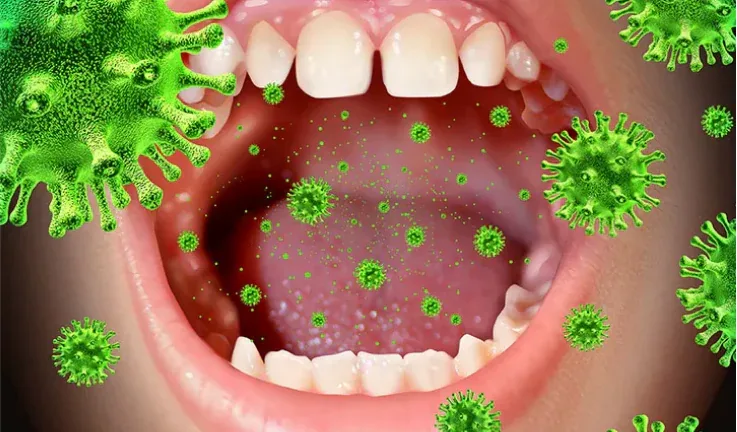
Why Do Oral Bacteria Form?
Oral Bacteria begin to establish themselves in the mouth from birth. Diet, the composition of saliva, genetic factors and environmental influences all shape this microbial makeup. Because the mouth offers a moist, nutrient-rich environment, it is an ideal habitat for bacteria.
Scientific studies show that there are more than 700 species of bacteria in the mouth. Most of these bacteria are harmless and can even contribute to the development of the immune system. However, factors such as excessive consumption of sugary foods, inadequate oral hygiene and low salivary flow can disrupt the balance of Oral Bacteria.
This disruption of the balance accelerates the formation of plaque. Plaque is a biofilm layer made up of bacterial colonies that adheres to the tooth surface. This biofilm environment provides the conditions for acid-producing bacteria in particular to multiply.
The Relationship Between Oral Bacteria and Tooth Decay
Tooth decay is directly linked to Oral Bacteria. Acid-producing bacteria such as Streptococcus mutans, in particular, metabolise sugars and cause demineralisation on the enamel surface.
As acid production increases, the enamel layer weakens. This process can be reversible, but if it progresses, it can lead to permanent damage. Research shows that enamel dissolution begins once the pH level in the mouth falls below 5.5.
The table below summarises the fundamental relationship between Oral Bacteria and tooth decay:
|
Factor |
Effect |
|
Sugar Consumption |
Increases bacterial acid production |
|
Low Salivary Flow |
Reduces acid neutralisation |
|
Plaque Build-up |
Strengthens bacterial colonisation |
|
Inadequate Hygiene |
Increases biofilm thickness |
For this reason, Oral Bacteria matter not only because of their presence but also because of their metabolic activity.
How Can Oral Bacteria Be Reduced?
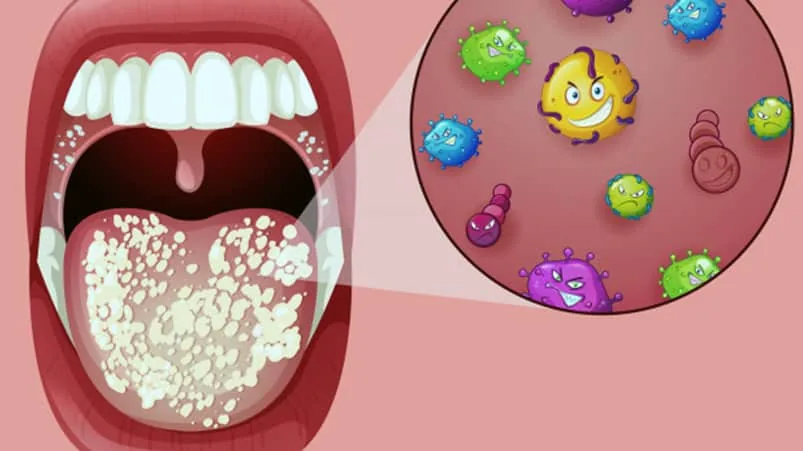
Oral Bacteria cannot be eliminated entirely, because the oral microbiome is necessary for a healthy life. However, it is possible to keep their numbers under control.
Mechanical cleaning is the primary way to reduce the bacterial load. Brushing and flossing physically remove the biofilm layer. Compared with chemical products, this method directly targets the structure of plaque.
Chemical aids, meanwhile, include antibacterial mouthwashes and certain natural ingredients. Substances such as chlorhexidine can reduce bacterial numbers when used for short periods. However, long-term use can alter the microbial balance.
Studies conducted in recent years suggest that probiotics may help balance the composition of Oral Bacteria. This approach aims to suppress harmful bacteria while supporting the growth of healthy species.
The Link Between Oral Bacteria and Bad Breath
One of the main causes of bad breath is the volatile sulphur compounds produced by Oral Bacteria. These bacteria are concentrated particularly on the surface of the tongue.
The sulphur compounds released during the breakdown of proteins cause bad odour. If tongue cleaning is neglected, this bacterial load can increase.
Research shows that regularly cleaning the surface of the tongue can reduce odour caused by Oral Bacteria. This demonstrates that the oral microbial balance is not limited to the teeth alone.
Oral Bacteria and Gum Health
Oral Bacteria also lie at the root of gum disease. Bacteria such as Porphyromonas gingivalis, in particular, can trigger the inflammatory process.
Early-stage gum inflammation, known as gingivitis, is usually associated with plaque build-up. If this process progresses, periodontitis can develop. This can lead to damage to the tissues that support the teeth.
The scientific literature also indicates possible links between Oral Bacteria and systemic diseases. The relationship between periodontal health and conditions such as cardiovascular disease and diabetes is still being researched.
The Effect of Diet on Oral Bacteria
Dietary habits directly affect the composition of Oral Bacteria. Refined sugars contribute to the proliferation of bacteria that increase acid production.
Fibrous foods and dairy products, on the other hand, can help neutralise acid by supporting salivary flow. Research on xylitol-containing products shows that it may limit the proliferation of certain harmful bacteria.
The numbered list below summarises the relationship between diet and Oral Bacteria:
- Sugary snacks speed up bacterial metabolism
- Acidic drinks weaken the enamel surface
- Fibrous foods provide a mechanical cleaning effect
- Drinking water can dilute bacterial density
For this reason, Oral Bacteria are linked not only to hygiene but also to daily dietary patterns.
Should Oral Bacteria Be Eliminated Entirely?
This question comes up frequently. However, from a scientific perspective, Oral Bacteria are not organisms that need to be eliminated entirely. The mouth has a complex microbial balance.
It is known that excessive use of antibacterial products can also reduce beneficial bacteria. This can create conditions favourable for the proliferation of opportunistic microorganisms.
Therefore, the goal should be to balance the Oral Bacteria ecosystem. Microbial diversity is one of the key indicators of a healthy oral environment.
Oral Bacteria are the invisible players in oral health. They are not entirely harmful; however, disruption of the balance can lead to various problems. The modern dental approach aims to keep these bacteria under control rather than eliminate them.
At Doctor Afra, we emphasise the importance of assessments based on scientific data, because the subject of Oral Bacteria is significant not only for aesthetics but also for general health. New research into the oral microbiome shows that this field will be addressed in much greater depth in the future.
A holistic view of oral health comes from understanding the microbial balance. When this balance is maintained, a healthy oral structure can be sustained from both a functional and an aesthetic standpoint.
Book an appointment for your smile
Get in touch with us for your questions and treatment options.