

Gum recession is a condition that is often overlooked in oral health, yet can have serious effects. People generally focus on the appearance of their teeth, but the health of the gums is just as critical to function as it is to aesthetics. Gum recession can expose the tooth roots and increase sensitivity.
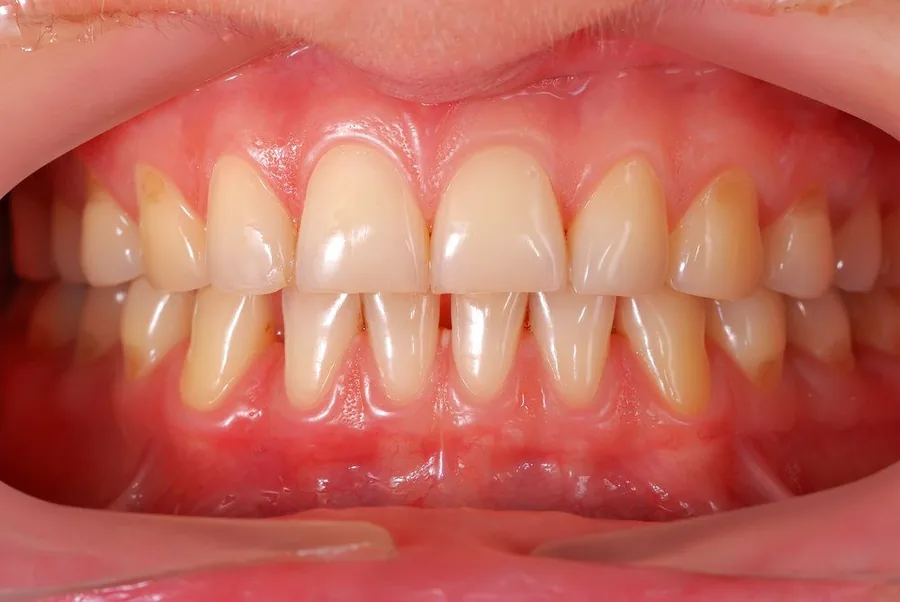
1. Initial Stage: Mild Inflammation
The first stage of gum recession usually begins with mild inflammation that is difficult to notice. Slight redness and sensitivity may be seen in the gums at this point. Research shows that at this stage, the process can be slowed through daily oral care and regular dental cleaning.
Scientifically, it has been observed that at this stage the microflora within the gum tissue begins to change, and bacterial build-up can trigger inflammation. For this reason, early intervention can prevent more serious recession from developing in later stages.
2. Intermediate Stage: Mild Gum Recession
At this stage, gum recession becomes more noticeable. The gumline begins to drop slightly, partially exposing the tooth roots. Clinical research shows that patients typically notice hot-cold sensitivity during this period.
In addition, the flexibility of the gums decreases at this stage. The gum tissue becomes more fragile, and the risk of bleeding during brushing increases. Although the evidence for foods and supplements that support gum health remains limited in scientific studies, they may in some cases help preserve gum integrity.
3. Advanced Stage: Moderate Recession and Increased Sensitivity
After the intermediate stage, gum recession reaches a more serious level. The tooth roots become clearly exposed and sensitivity increases significantly. Clinical observations show that at this stage the thickness of the gum tissue decreases noticeably, and the tooth enamel is directly affected.
At this stage, individuals may find it difficult to tolerate hot and cold foods. Studies show that changes in the gumline can affect the long-term stability of the teeth. Early diagnosis and follow-up therefore play a critical role in preventing further progression.
4. Critical Stage: Extensive Recession and Root Exposure
At this advanced stage, gum recession exposes a large portion of the tooth root and can lead to functional problems in addition to aesthetic concerns. Research indicates that root erosion and dentine sensitivity are frequently seen on the tooth surface at this stage.
Changes can also occur in the bone tissue surrounding the teeth during this period. The gum tissue thins, hardens, and becomes more prone to damage. Dentists usually recommend professional treatment methods at this stage to help preserve gum health.
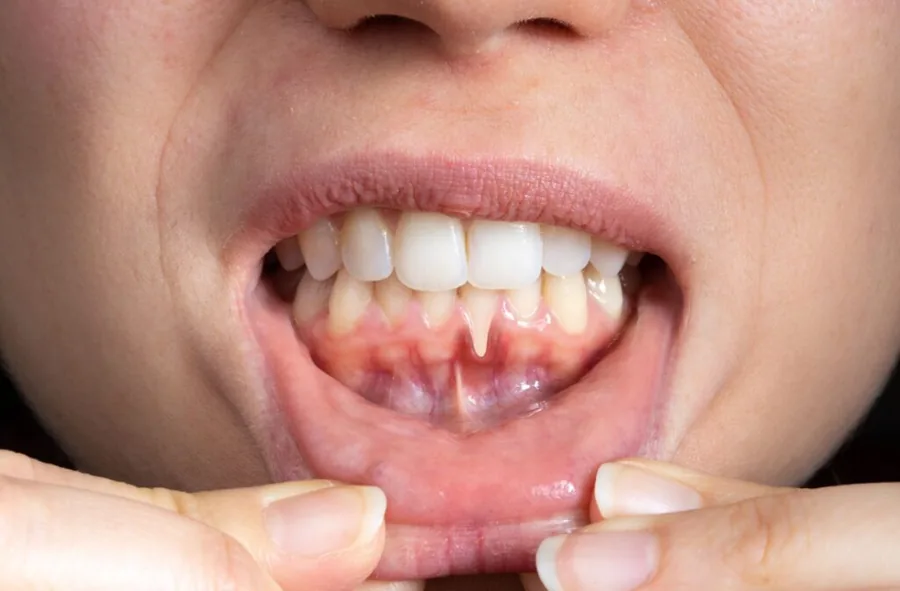
5. Final Stage: Severe Recession and Potential Tooth Loss
If left untreated, the final stage of gum recession can lead to serious complications. The tooth roots become fully exposed, the teeth begin to loosen, and in some cases the risk of tooth loss arises. Clinical data show that at this stage patients' gum tissue largely loses its elasticity, and bone loss accelerates.
At this point, oral health monitoring and guidance from dental professionals are vital. Lifestyle factors, dietary habits, and oral hygiene practices can also affect the speed of this process.
Key Facts and Statistics About Gum Recession
|
Stage |
Characteristics |
Risks |
|
1. Mild Inflammation |
Redness, mild sensitivity |
Increased bacterial build-up |
|
2. Mild Recession |
Partial exposure of tooth roots |
Increased sensitivity, bleeding |
|
3. Moderate Recession |
Noticeable exposure of the tooth root |
Enamel sensitivity, thinning of the gums |
|
4. Extensive Recession |
Exposure of most of the tooth root |
Loss of function, aesthetic issues |
|
5. Severe Recession |
Potential tooth loss |
Bone loss, deterioration of tooth stability |
This table summarises the five stages of gum recession and the risks that can arise at each stage, helping readers assess their own situation more knowledgeably.
Observations Before and After Gum Recession
Scientific research shows that progression can be slowed in cases of gum recession that are noticed at an early stage. Regular dental check-ups and proper oral hygiene play an important role in preserving the integrity of the gum tissue.
In addition, some studies suggest that certain nutrients and dental care products that support gum health may help stabilise the process. In particular, a diet rich in vitamin C and calcium can increase the resilience of gum tissue.
Raising Awareness of Gum Recession
Gum recession is often a slow-moving process that goes unnoticed at first. The five stages covered in this article have been prepared in light of both scientific observation and clinical research. Each stage highlights the importance of early diagnosis and mindful care in preserving gum health.
Cases that are not addressed early can lead to serious sensitivity and tooth loss at later stages. For this reason, monitoring oral health with a holistic approach is a critical factor in managing the process of gum recession.
Book an appointment for your smile
Get in touch with us for your questions and treatment options.