

When people think of orthodontics, metal wires are no longer the only thing that comes to mind. For adult and younger patients alike who have aesthetic concerns, Invisible Braces solutions are among the most notable developments in modern dentistry. The clear and ceramic-based systems used at the Doctor Afra clinic offer innovative approaches designed to meet both functional and aesthetic expectations at the same time.
Crowded teeth, bite irregularities and alignment problems are not simply about appearance. They can also affect chewing balance, jaw joint health and oral hygiene. For this reason, orthodontic treatments now progress with more personalised planning. Aesthetic orthodontic solutions have become an important alternative, particularly for those who wish to reduce visibility in their social and professional lives.
What Is Invisible Braces Treatment and How Does It Work?
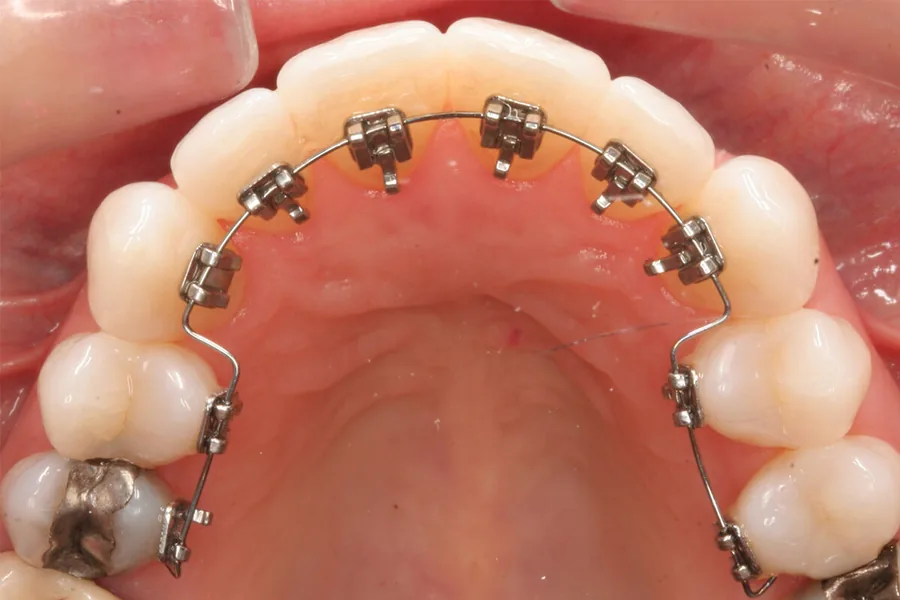
"Invisible Braces" is a general term used to describe orthodontic systems applied with less noticeable materials on the front surface of the teeth. These systems typically consist of clear aligners or tooth-coloured ceramic brackets. The aim is to gradually move the teeth into their ideal position while keeping aesthetic concerns to a minimum.
From a scientific standpoint, the basic principle of orthodontic treatment is the application of controlled force. The gentle pressure applied to a tooth triggers a remodelling process in the surrounding bone tissue. Through this biological response, the teeth gradually adapt to their new positions over time. Clear orthodontic systems work on this same principle, but the materials used and the level of visibility differ from classic metal brackets.
As one of the aesthetic orthodontic solutions available, Invisible Braces stands out as an option that helps preserve confidence, particularly in adult patients. It can offer a more natural appearance in photographs, at meetings, and in everyday social life.
What Are the Types of Invisible Braces?
Aesthetic orthodontic solutions are not a single, uniform option. Invisible Braces systems can generally be divided into two main categories:
- Clear aligner systems
- Ceramic brackets
Clear aligners are custom-made appliances that are replaced at regular intervals. Thanks to digital scanning and three-dimensional modelling technologies, the planning process proceeds with great precision. Each aligner is designed to move the teeth by a fraction of a millimetre at a time.
Ceramic brackets, on the other hand, work on classic orthodontic principles but are less noticeable because they use tooth-coloured material. This system may be preferred particularly in more complex cases. Fixed to the front surface of the teeth, these brackets offer a softer aesthetic appearance compared with metal wires.
Both methods can be considered part of the Invisible Braces approach. The selection process is generally shaped by tooth structure, bite relationship and treatment goals.
Differences Between Ceramic Brackets and Invisible Braces
Although ceramic brackets are often referred to under the Invisible Braces category, they are technically a fixed orthodontic treatment. Their biggest difference from clear aligner systems is that they remain fixed in the mouth. They cannot be removed by the patient and are activated through regular check-ups.
Clear aligners, however, can be removed for certain periods. This can be an advantage when eating and brushing your teeth. However, they do require consistent use, and if daily wear time decreases, the treatment plan may be affected.
The table below summarises the general differences between the two systems:
|
Feature |
Clear Aligner |
Ceramic Bracket |
|
Visibility |
Very low |
Low |
|
Removability |
Yes |
No |
|
Control Mechanism |
Digital planning |
Manual activation |
|
Complex Cases |
May be limited |
Wider indication |
Both methods can be said to contribute to the aesthetic approach of Invisible Braces. However, case selection is highly important.
Who Is Suitable for Invisible Braces?
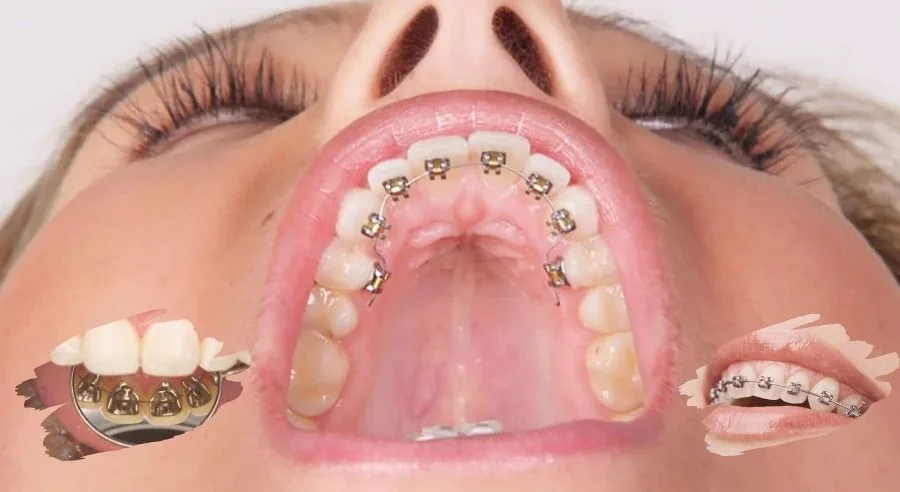
Invisible Braces treatment is frequently preferred for mild to moderate crowding. Adult patients in particular turn to this method to avoid aesthetic concerns in their professional lives. That said, it can also be applied in younger individuals with appropriate planning.
Factors such as the degree of crowding, jaw relationships and missing teeth can affect the treatment plan. In some advanced bite irregularities, classic orthodontic methods may be considered more suitable. For this reason, the treatment decision should be made following an individual assessment.
Research in the field of aesthetic orthodontics shows that patient satisfaction is closely related to visibility levels. In this context, Invisible Braces has become an option that is also considered from the perspective of psychological comfort.
How Is the Invisible Braces Treatment Process Planned?
Digital planning is at the forefront of modern orthodontics. Before Invisible Braces treatment, measurements taken with intraoral scanners are analysed using three-dimensional software. This makes it possible to simulate how the teeth will move at each stage.
Treatment duration varies from person to person. Although general data on average timeframes exist, it would not be accurate to state a precise time frame. Tooth movement is a biological process and can progress at a different pace in each individual.
Check-ups are generally carried out at regular intervals. During this process, it is assessed whether the teeth are showing the planned movement. Patient compliance is also an important factor in Invisible Braces treatment.
The Relationship Between Invisible Braces and Oral Hygiene
Hygiene is a critical issue in orthodontic treatments. Invisible Braces systems can offer an advantage in terms of cleaning, particularly where removable aligners are concerned. Once the aligner is removed, the teeth can be brushed normally.
Where ceramic brackets are used, classic orthodontic care procedures apply. Regular, careful cleaning is required to prevent plaque build-up around the brackets. Otherwise, discolouration may occur on the tooth surface.
The success of aesthetic orthodontic treatments depends not only on tooth movement but also on oral care habits. For this reason, hygiene education plays an important role during the Invisible Braces process.
Possible Advantages of Invisible Braces Treatment
Aesthetic appearance is the most obvious advantage. However, the benefits offered by Invisible Braces treatment are not limited to this. Being able to visualise the treatment process in advance thanks to digital planning can be motivating for patients.
Some studies report reduced social self-consciousness among individuals using clear aligners. In addition, the speech adaptation process is generally short. Although a slight difference may be felt in the first few days, the adjustment period is usually completed over time.
Aesthetic orthodontic solutions build a bridge between dental health and confidence. Invisible Braces can be regarded as a modern approach that brings these two areas together.
A Modern Interpretation of the Balance Between Aesthetics and Function
Orthodontics is no longer limited to simply straightening teeth. Aesthetic expectations, digital technologies and personalised planning methods are transforming the way treatment is approached. Invisible Braces treatment is regarded as one of the most tangible examples of this transformation.
Doctor Afra aims to offer patients aesthetically focused solutions by bringing together scientific data and modern technologies in orthodontic planning. Clear aligners and ceramic brackets are options assessed according to individual needs.
In conclusion, Invisible Braces is a notable orthodontic alternative for individuals seeking a balanced approach in terms of both appearance and function. The treatment decision should always be shaped following a comprehensive assessment.
Book an appointment for your smile
Get in touch with us for your questions and treatment options.