
Eating and Oral Care with Braces: What You Need to Know
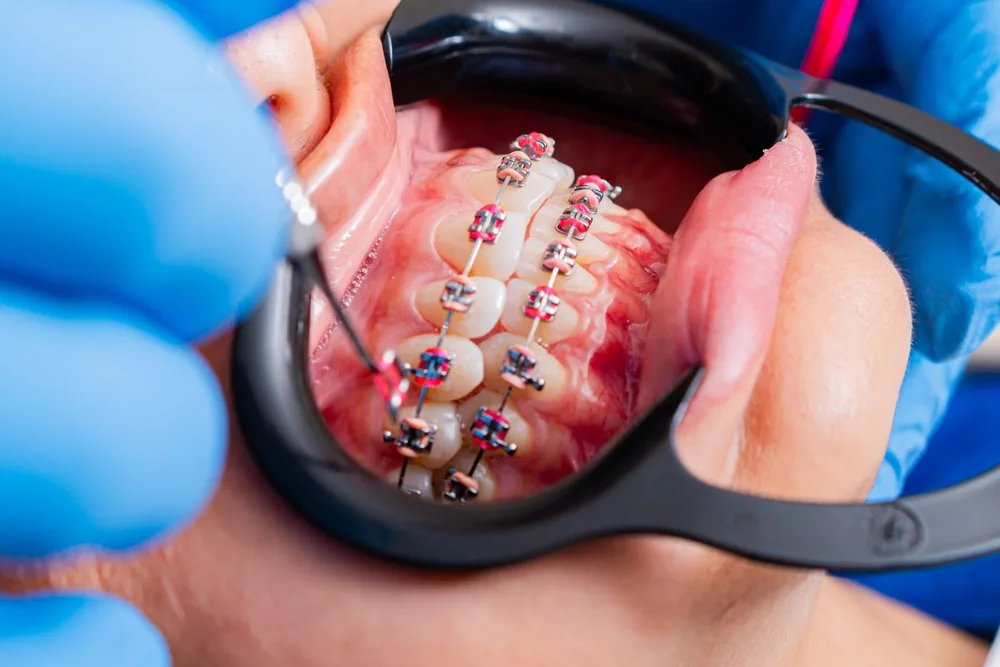
Once orthodontic treatment starts, keeping the teeth healthy throughout treatment matters just as much as moving them. Brackets and wires create new areas on the tooth surface where plaque can accumulate, and eating habits directly affect both the durability of the appliance and dental health. In this article we look at what to pay attention to when eating during braces treatment, and how oral care should be carried out.
Why Does It Matter So Much?
Plaque that accumulates around brackets can, if left uncleaned for a long time, cause white spot lesions that leave lasting marks on the enamel. These marks become visible once the brackets are removed at the end of treatment. In the same way, uncleaned plaque can lead to gum inflammation and gum overgrowth. So oral care isn't just about hygiene — it's directly tied to the aesthetic quality of the treatment result.
Foods to Avoid
- Hard foods: Nuts, hard candy, ice, hard bread crusts — these can knock a bracket loose.
- Sticky foods: Chewing gum, caramel and similar products stick between wires and brackets, making cleaning harder and straining the appliance.
- Foods you bite into: Apples, carrots and corn shouldn't be bitten into whole; cut them into small pieces instead.
- Frequent sugary and acidic drinks: Fizzy drinks and sweetened juices increase the risk of decay around brackets.
What You Can Eat Comfortably
Soft cooked vegetables, pasta, yogurt, cheese, eggs, minced meat and fruit cut into small pieces can be eaten without issue throughout treatment. Sensitivity for the first few days after a wire adjustment is normal; softer foods make this period more comfortable.
How Should Oral Care Be Done?
- Orthodontic toothbrush: Brushes with a V-shaped groove down the middle fit the bracket surface better. Brushing after every main meal is recommended.
- Interdental brush: The most effective aid for cleaning under brackets and between the wire and the tooth.
- Super floss: Threaded under the wire to clean between the teeth.
- Oral irrigator: Helps remove debris from areas brushes and floss can't reach.
- Fluoride mouthwash: May be recommended where your dentist considers it appropriate, to support enamel resistance.
If a Bracket Comes Loose or a Wire Pokes
A bracket coming loose is common in orthodontic treatment and usually isn't an emergency; however, letting your dentist know rather than waiting for the next appointment is important so treatment time isn't extended. If a wire is poking your cheek, orthodontic wax can be used temporarily until you can reach your dentist.
Differences for Clear Aligner Users
With clear aligner treatment, dietary restrictions are far fewer because the aligners are removable. On the other hand, aligners need to be removed when eating, and teeth brushed before putting them back in. Nothing other than water should be drunk while the aligners are in.
Two Common Questions
Can teeth be whitened during braces treatment? Since brackets cover part of the tooth surface, whitening isn't recommended during treatment as it can create a color difference. Whitening is usually considered after the brackets are removed.
How often should I brush? With braces, brushing after every main meal is essential; if that isn't possible, at least rinse with water and brush at the first opportunity.
Summary
Avoiding hard, sticky foods and those you bite into protects the appliance during braces treatment, while regular, proper oral care prevents white spot lesions and gum problems. Aids like interdental brushes, super floss and an oral irrigator complement regular brushing during this period. Whatever the type of brackets, care habits directly affect the treatment result.
This article is intended for general information purposes. Consult your orthodontist for advice specific to your treatment.