

When it comes to oral and dental aesthetics, dental crowns are among the most commonly chosen restorative treatments. However, as with any aesthetic or functional intervention, dental crowns can also carry certain risks and potential complications.
What Are Dental Crowns and When Are They Recommended?
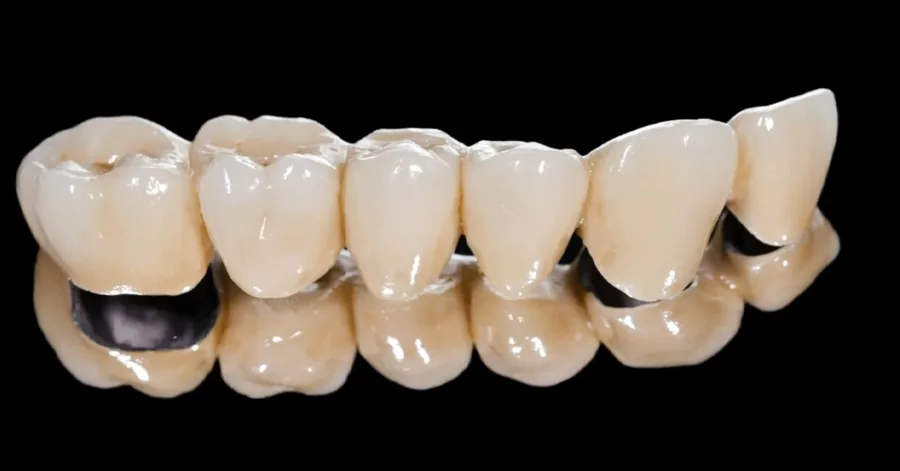
Dental crowns are fixed prosthetic restorations designed to aesthetically and functionally rebuild teeth that are damaged, discoloured, or misshapen. These restorations are made using materials such as porcelain, zirconia or composite.
Crown treatments are generally considered in the following situations:
- Teeth with significant loss of tooth structure
- Tooth structure weakened after root canal treatment
- Enamel surfaces resistant to whitening
- Requests for aesthetic smile design
However, when planning dental crowns, not only aesthetic expectations but also biomechanical load distribution and periodontal health must be taken into account. Suitability criteria differ for each patient, which is why detailed clinical analysis is essential.
Dental Crowns and the Risk of Enamel Loss
Before dental crowns are fitted, a certain amount of tooth structure is removed from the tooth surface in most cases. This is necessary for the crown to look natural and fit properly. However, the irreversible reduction of enamel can bring with it certain sensitivity issues.
Scientific publications have reported the following issues, particularly in cases where aggressive preparation was carried out:
- Sensitivity to hot and cold
- Pulp irritation
- Long-term risk of loss of tooth vitality
Enamel is the hardest and most protective layer of the tooth. For this reason, a minimally invasive approach becomes important when planning dental crowns. Otherwise, even if the restoration is aesthetically pleasing, biological compatibility may be compromised.
Gum Problems Following Dental Crowns
Periodontal compatibility is one of the determining factors in the success of dental crowns. If the margin design is not appropriate, or if the crown edges do not fit well with the gum line, plaque build-up can increase.
Research indicates that ill-fitting restoration margins can lead to the following outcomes:
|
Potential Issue |
Description |
|
Gum inflammation |
Inflammation caused by marginal leakage |
|
Bleeding |
Mechanical irritation |
|
Pocket formation |
Long-term plaque accumulation |
For this reason, dental crowns should be designed according to biological compatibility criteria, not aesthetics alone. If gum health is neglected, the risk of long-term complications can increase.
Dental Crowns and the Risk of Fracture or Detachment
As with any prosthetic restoration, dental crowns can also be damaged under mechanical load. The risk of fracture can be higher, particularly in individuals with a history of bruxism.
Potential mechanical complications include:
- Ceramic cracks
- The crown coming loose
- Substructure incompatibility
Material choice is decisive here. Although zirconia-based restorations are considered advantageous in terms of durability, no material is entirely unbreakable. For this reason, an analysis of occlusal forces is important when planning dental crowns.
Decay Forming Beneath Dental Crowns
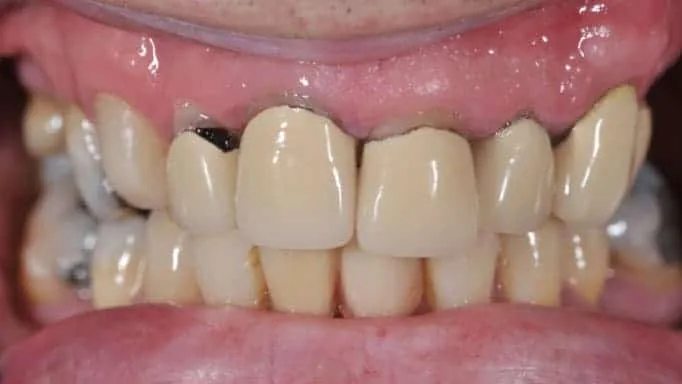
One of the questions people frequently ask is whether the tooth beneath a crown can still decay. When dental crowns are fitted correctly, marginal leakage is minimal. However, micro-leakage that can develop over time may create the conditions for bacterial colonisation.
Risk factors include:
- Inadequate oral hygiene
- Improper cementation
- A gap at the crown margin
In such cases, decay can progress beneath the crown and may be difficult to detect in its early stages. For this reason, regular clinical check-ups are important after having dental crowns fitted.
Dental Crowns and Mismatched Aesthetic Expectations
As with any aesthetic procedure, a discrepancy can arise between patient expectations and the clinical outcome following dental crown treatment. Although digital smile design technologies aim to reduce this gap, individual perception can vary.
Aesthetic mismatches generally arise in the following areas:
- Expected shade or colour
- Tooth shape
- Harmony with facial proportions
For this reason, mock-up trials and digital simulations can be included in the planning stage before dental crowns are fitted. This can help minimise potential disappointment.
Do Dental Crowns Need to Be Replaced Over Time?
Prosthetic restorations have a certain lifespan. Literature indicates that porcelain crowns can function for an average of 10 to 15 years. However, this period can vary depending on oral hygiene, chewing forces and systemic factors.
Over time, dental crowns can:
- Change in colour
- Lose their marginal fit
- Show reduced mechanical strength
At this point, replacement may become necessary. Therefore, although dental crowns are considered a long-lasting solution, they do not last forever.
When Might Dental Crowns Not Be Suitable?
Dental crowns may not be the ideal option for everyone. Alternative treatment plans may be considered, particularly in cases with active periodontal disease or insufficient remaining tooth structure.
Some clinical situations include:
- Severe gum recession
- Uncontrolled bruxism
- Advanced bone loss
In such cases, different restorative options may be considered. Individual biological limitations must be taken into account when planning treatment.
Dental Crowns Require Informed Planning
Dental crowns are restorative treatments that can offer significant aesthetic and functional advantages. However, as with any clinical intervention, they carry potential risks and long-term effects. Enamel loss, gum problems, the risk of fracture and mismatched aesthetic expectations can all be part of this process.
At Doctor Afra, our approach is to assess biological compatibility, functional analysis and aesthetic expectations holistically for every patient. A multidisciplinary perspective in planning dental crowns helps reduce potential risks.
As with any aesthetic procedure, making an informed decision is the strongest step you can take here too.
Book an appointment for your smile
Get in touch with us for your questions and treatment options.