

Dental Crowns are among the most commonly asked-about procedures in aesthetic and functional dentistry. Today, Dental Crown treatment is chosen both as part of smile design and to protect damaged teeth, and it is a multi-stage process planned specifically for each individual. In the assessments carried out at Doctor Afra, the aim is not solely an aesthetic appearance, but also to support biological compatibility and long-term oral health.
What Are Dental Crowns and When Are They Preferred?
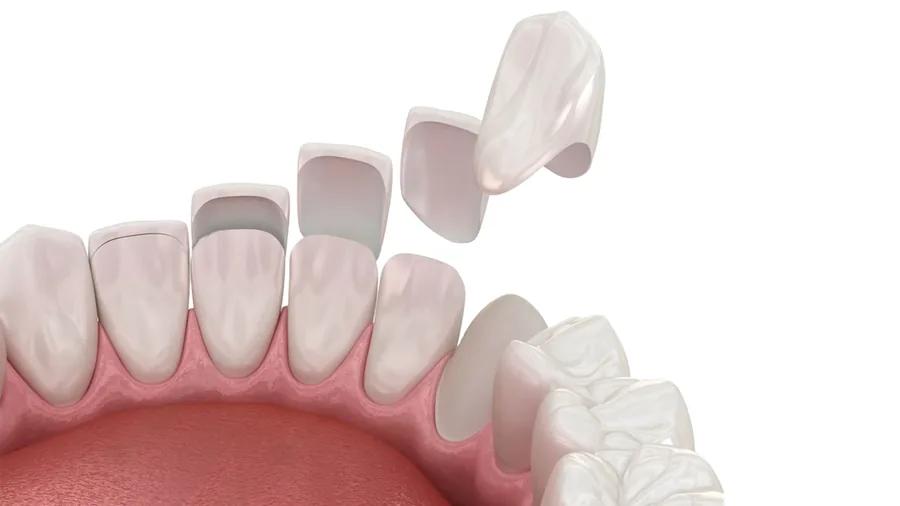
Dental Crowns are special restorations that are placed over the existing tooth structure and surround the tooth completely. They are typically applied to teeth with significant tissue loss, or that are broken, cracked or discoloured. They are also used to protect teeth that have been weakened following root canal treatment.
This treatment is not merely a cosmetic intervention. It aims to support the structural integrity of the tooth. It can be planned particularly to reduce the risk of fracture in teeth with large fillings. That said, the suitability criteria differ for each patient. Gum health, the bite relationship and oral hygiene habits are important parts of the assessment process.
Dental Crown treatments planned at Doctor Afra are assessed with the individual's anatomical structure taken into account. The aim is not simply white, even-looking teeth, but a natural aesthetic in harmony with the face.
What Are the Types of Dental Crowns?
The materials used in Dental Crown treatments each have different properties. These materials can vary according to aesthetic expectations, durability requirements and the location of the tooth.
The table below shows the commonly used types of crown:
|
Crown Type |
Aesthetic Level |
Durability |
Area of Use |
|
Porcelain |
High |
Medium |
Front teeth |
|
Zirconia |
Very high |
High |
Front and back teeth |
|
Porcelain-fused-to-metal |
Medium |
High |
Back teeth |
Zirconia-based Dental Crown options can give results closer to the appearance of a natural tooth thanks to their light transmission. Porcelain-fused-to-metal systems, on the other hand, may be preferred particularly in the back region for their resistance to chewing forces.
Each material has its own advantages and limitations. For this reason, the choice is made following a personalised analysis rather than a standard template.
How Are Dental Crowns Made? What Are the Stages?
The Dental Crown process generally consists of several basic steps. Treatment planning begins with a clinical examination. Radiographic imaging and digital analyses support the process.
The general stages are as follows:
- Clinical assessment and planning
- Shaping the tooth
- Taking impressions or digital scanning
- Fitting a temporary crown
- Laboratory fabrication process
- Fitting the final crown
During the tooth-shaping stage, a minimal amount of the tooth surface may be reduced to allow the crown to fit. This amount varies according to the condition of the tooth. An impression is then taken, and a custom crown is prepared in the laboratory.
In the final stage, the prepared Dental Crown is tried in and checked for fit. Colour, bite relationship and gum compatibility are assessed. Once suitability is confirmed, the crown is cemented into place.
Duration and Durability of Dental Crowns
The duration of a Dental Crown procedure can vary depending on the planning and the material used. It is generally completed within a few sessions. In clinics that use digital systems, the process can proceed in a more controlled manner.
Durability, meanwhile, depends on many factors. Oral hygiene, regular check-ups and chewing habits all affect this process. Research shows that with proper care, crowns can remain functional for many years. However, this duration can vary according to individual factors.
Dental Crown treatments planned at Doctor Afra aim for long-term stability. For this reason, functional analyses are considered alongside aesthetics.
The Adjustment Process After Dental Crowns
Mild sensitivity may be felt in the first few days after new Dental Crowns are fitted. This is usually temporary. Comfort increases as the gums adapt and bite balance is established.
The main points to be mindful of during the adjustment period are:
- Avoiding excessively hard foods
- Maintaining a regular brushing routine
- Attending scheduled check-up appointments
Crowns are not structures that replace natural teeth; they should be thought of as an extension of the natural tooth tissue. For this reason, care habits are of great importance.
The Relationship Between Dental Crowns and Aesthetic Smile Design
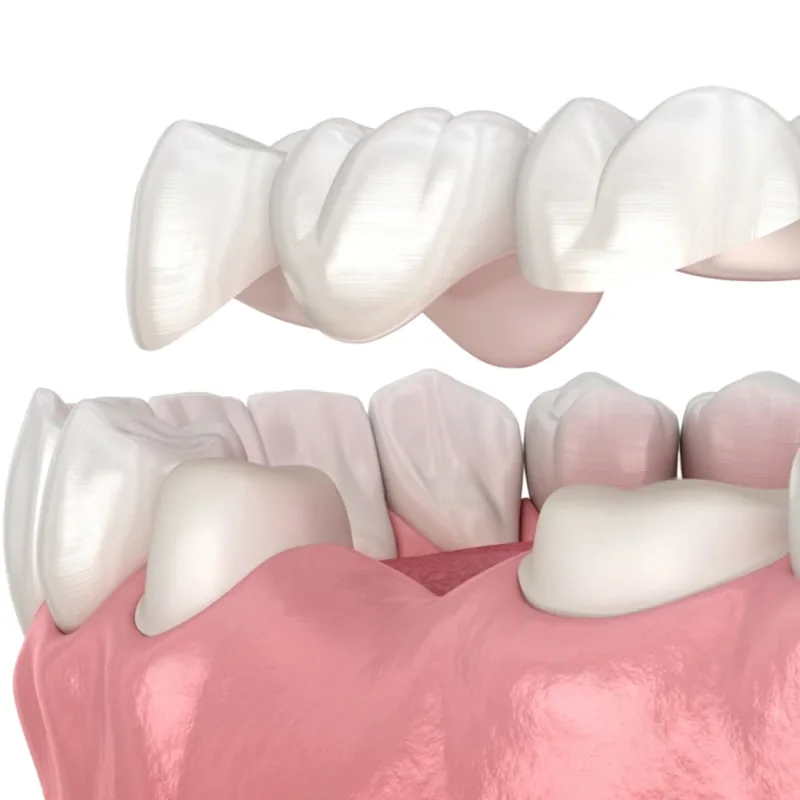
Dental Crowns are often planned as a component of smile design. However, not every aesthetic plan requires crowns; sometimes only small corrections are enough.
Facial proportions, the lip line, gum level and tooth form are all assessed together. The aim is not to create a uniform set of white teeth. A natural appearance can be achieved by controlling and preserving small asymmetries.
In the Doctor Afra approach, Dental Crown planning is analysed together with facial aesthetics. This means the resulting outcome is not artificial, but offers an appearance in keeping with the individual's character.
What Should Be Considered When Deciding on Dental Crowns?
The decision to proceed with Dental Crowns is not made on aesthetic expectations alone. The tooth's vitality, the current state of any restorations, and alternative treatment options are all assessed.
In some cases, fillings, bonding or orthodontic approaches may be more appropriate. For this reason, the decision-making process requires detailed analysis. Scientific publications emphasise that unnecessary invasive procedures should be avoided.
The following criteria are taken into account when planning crowns:
- The degree of tooth tissue loss
- The bite relationship
- Gum health
- The level of aesthetic expectation
If, following these assessments, Dental Crowns are considered the most suitable option, the process is then planned.
Dental Crowns: A Balance of Science and Aesthetics
Dental Crowns are not merely an aesthetic treatment; they are a combination of biomechanics, materials science and aesthetic principles. With the right planning, balanced results can be achieved in terms of both function and appearance.
The approaches applied at Doctor Afra are based on personalised analysis. The aim is not to produce a uniform smile, but to develop solutions that support the individual's natural structure, are in harmony with the face, and provide long-term comfort.
If you would like to learn more about the Dental Crown process, you can arrange a comprehensive assessment appointment to create a road map tailored to your own needs.
Book an appointment for your smile
Get in touch with us for your questions and treatment options.