

Restorative dental treatment is the general term for procedures developed to recover lost tooth tissue, preserve aesthetics and maintain function in oral and dental health. No longer limited to simply filling cavities, this field today aims to restore a tooth’s natural form, colour and durability using scientific methods. Thanks to modern materials, digital measurement techniques and minimally invasive approaches, restorative dental treatment offers a set of solutions that are both protective and aesthetic.
What Is Restorative Dental Treatment?
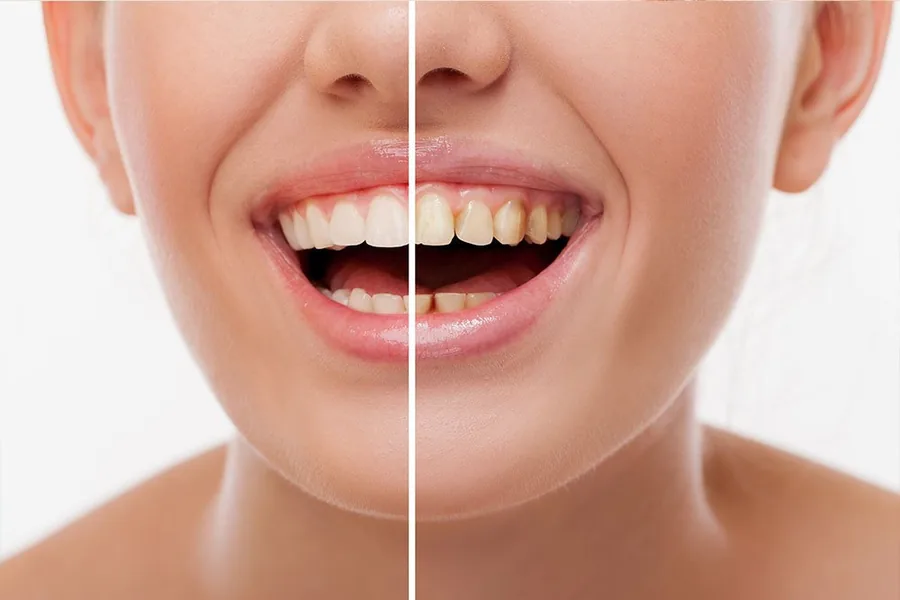
Restorative dental treatment is a branch of dentistry aimed at functionally and aesthetically rebuilding teeth that have been damaged or have lost tissue. Many problems fall within its scope, including cavities, fractures, wear and discolouration. Composite fillings that mimic the tooth’s natural structure, porcelain inlays and onlays, and adhesive systems are among the most commonly used methods.
Scientifically speaking, restorative procedures aim to preserve the biomechanics of tooth tissue. Avoiding unnecessary tissue loss, performing minimal intervention, and using biocompatible materials are the core principles. This approach helps achieve results that are both long-lasting and comfortable.
In Which Cases Is Restorative Dental Treatment Used?
Restorative dental treatment can be chosen not only for major damage but also for early-stage problems. This is an important part of preventive dentistry, and early intervention can prevent the need for more extensive procedures later.
It is generally used in the following situations:
- Tooth decay
- Fractures or cracks caused by trauma
- Tooth wear and erosion
- Replacement of old fillings
- Aesthetic discolouration
- Shape irregularities or gaps
Each of these problems can affect both the tooth’s appearance and its chewing performance. With correctly planned restorative solutions, the tooth’s natural function can be restored.
What Are the Methods of Restorative Dental Treatment?
Modern restorative dental treatment methods have diversified considerably as technology has advanced. Each method is chosen according to the extent of the damage and the patient’s expectations.
The table below summarises the most commonly used techniques:
|
Method |
Area of Use |
Feature |
|
Composite filling |
Small to medium cavities |
Tooth-coloured, aesthetic |
|
Inlays/Onlays |
Medium to large tissue loss |
Lab-fabricated, durable |
|
Porcelain restoration |
Extensive damage |
Long-lasting, natural appearance |
|
Bonding |
Minor aesthetic corrections |
Fast, minimal procedure |
These options allow treatment to meet both functional and visual expectations. Biocompatible materials also support gum health.
How Is the Restorative Dental Treatment Process Planned?
Planning for restorative dental treatment begins with a detailed clinical examination. X-rays, digital scans and intraoral photographs are all assessed. This data is used to determine the extent of the damage and the most suitable material.
In the second stage, a personalised treatment plan is developed. For some patients, a single-session filling is sufficient, while others may require laboratory-supported restorations. Patient expectations, aesthetic requirements and scheduling are all taken into account during this process, producing a roadmap that is both scientifically sound and practical.
The Relationship Between Restorative Dental Treatment and Aesthetic Dentistry
Today, there is a strong connection between restorative dental treatment and aesthetic dentistry, because a healthy tooth should also look natural and harmonious. Simply removing decay isn’t enough — colour and shape matter too.
Thanks to the light transmission of composite materials, the enamel-mimicking structure of porcelain, and digital colour analysis, the results look remarkably natural. For this reason, restorative treatments are regarded as one of the fundamental components of smile design. At the Doctor Afra clinic, these two approaches are addressed together.
What to Pay Attention to After Restorative Dental Treatment
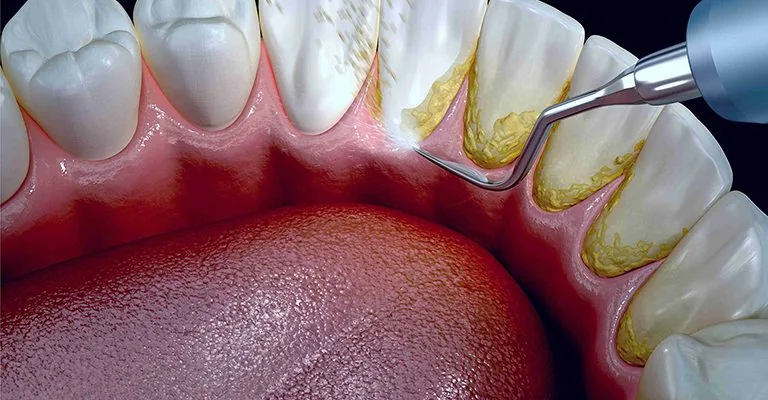
Aftercare is one of the key factors affecting how long a restoration lasts. However correctly restorative dental treatment is carried out, its success can be shortened if oral hygiene is inadequate.
In general, the following habits are recommended:
- Regular brushing
- Flossing
- Avoiding hard foods
- Periodic dental check-ups
- Using a protective night guard if you grind your teeth
These simple steps can increase the durability of restorations and delay the emergence of new problems.
Advantages and Expectations of Restorative Dental Treatment
The most important advantage of restorative dental treatment is its focus on preserving natural tooth tissue. This means more radical procedures, such as extraction, can often be postponed.
It also:
- Provides an aesthetic appearance
- Supports chewing function
- Offers comfortable, fast solutions
- Allows for long-term use
- Can be planned on an individual basis
Of course, every individual’s experience may differ, so results can vary depending on personal factors.
A Scientific and Personal Approach with Doctor Afra
Doctor Afra adopts an approach to restorative treatment that is grounded in scientific literature and makes use of current technology. Digital scanners used in the clinical setting, modern materials, and a patient-focused planning process all help treatment proceed both safely and comfortably.
Every patient’s story is different. For this reason, an approach focused on individual needs is preferred over a one-size-fits-all solution. This approach helps restorative dental treatment produce more satisfying results, both aesthetically and functionally.
In summary, restorative dental treatment represents both the protective and the restorative side of modern dentistry. Beyond simply repairing damaged teeth, it is a comprehensive set of solutions that supports a natural smile and comfortable chewing. With correct planning and regular care, it can contribute to healthy oral structure for many years.
Thanks to Doctor Afra’s patient-centred approach, restorative treatments aim for balanced results that are backed by scientific evidence and meet aesthetic expectations. For anyone wishing to preserve their dental health, this field can be considered a strong and reliable option.
Book an appointment for your smile
Get in touch with us for your questions and treatment options.