

Endodontic treatment, one of the most frequently asked-about procedures in oral and dental health, is a modern dental approach aimed at preserving the internal tissues of the tooth. Commonly known as root canal treatment, this method is used to clean out infected or damaged pulp tissue and keep the tooth's natural structure in the mouth. Because it offers an alternative to extraction, endodontic treatment is regarded as one of the most important pillars of preventive dentistry.
This approach, which aims to save the tooth, is not only about relieving pain but also about maintaining chewing function and aesthetic integrity. For this reason, endodontic treatment is valuable from both a functional and a biological standpoint.
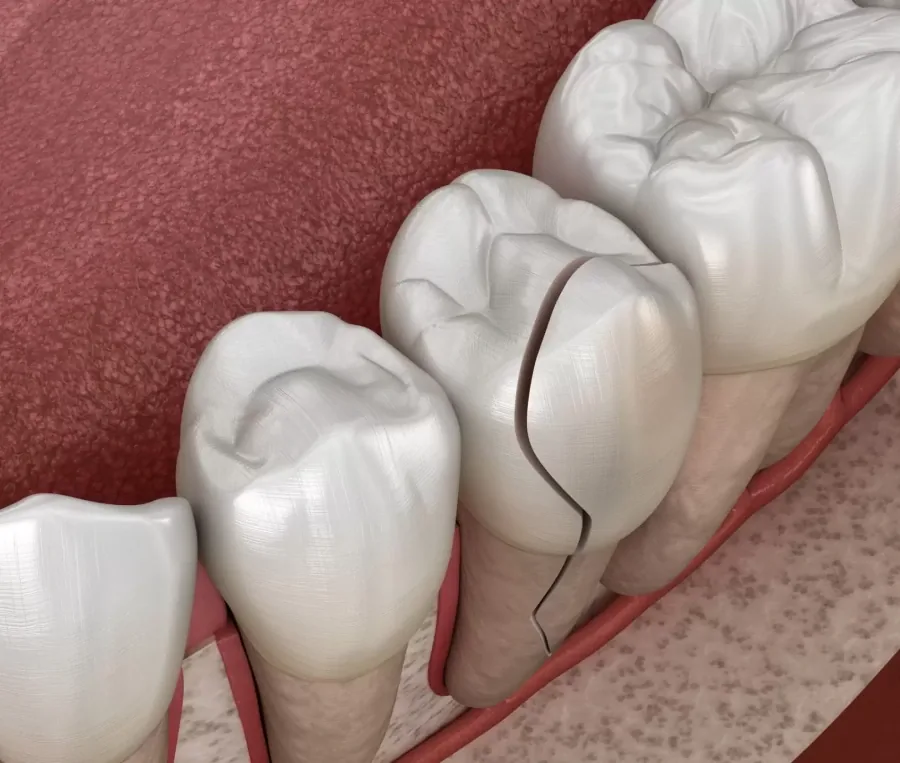
What Is Endodontic Treatment and When Is It Needed?
Put simply, endodontic treatment is a cleaning and filling procedure carried out when the pulp tissue at the very core of the tooth becomes inflamed or suffers irreversible damage. Deep cavities, trauma, cracks, or repeated restorations can affect the pulp tissue. In such cases, endodontic treatment aims to extend the tooth's lifespan.
When the pulp tissue becomes infected, symptoms such as pain, sensitivity, and swelling may appear. If this picture progresses, the infection can spread to the bone tissue. This is exactly where endodontic treatment stands out as a scientific intervention that offers a solution without extracting the tooth. In most cases, if endodontic treatment is not carried out, tooth loss becomes unavoidable.
How Is Endodontic Treatment Performed? The Stages
In modern clinics, endodontic treatment is carried out according to a defined protocol. A detailed examination and radiographic assessment are performed at the first stage. Local anaesthetic is then given for comfort, and access is gained to the interior of the tooth. Throughout this process, endodontic treatment is planned using precise measurements.
In the next step, the infected tissue is removed with specialist instruments, the canals are shaped, and they are disinfected. Once cleaning is complete, the canals are sealed with a biocompatible filling material, which prevents bacteria from resettling after endodontic treatment. In the final stage, the tooth is strengthened with a filling or a crown, so that endodontic treatment provides long-term stability.
Table of Endodontic Treatment Stages
|
Stage |
Purpose |
|
Examination |
Making a diagnosis |
|
Cleaning |
Removing the infection |
|
Shaping |
Refining the canal structure |
|
Filling |
Ensuring a proper seal |
|
Restoration |
Restoring function |
Duration and Number of Sessions for Endodontic Treatment
Many people wonder how many sessions endodontic treatment requires. In single-rooted teeth, endodontic treatment can often be completed in a single appointment. However, in multi-rooted teeth or where there is advanced infection, endodontic treatment may be spread over several sessions.
Session length varies according to the anatomy of the tooth, the degree of infection, and the technology used. Thanks to digital measurement systems and rotary instruments, endodontic treatment now proceeds more quickly. The protocols applied at Doctor Afra make the endodontic treatment process planned and predictable.
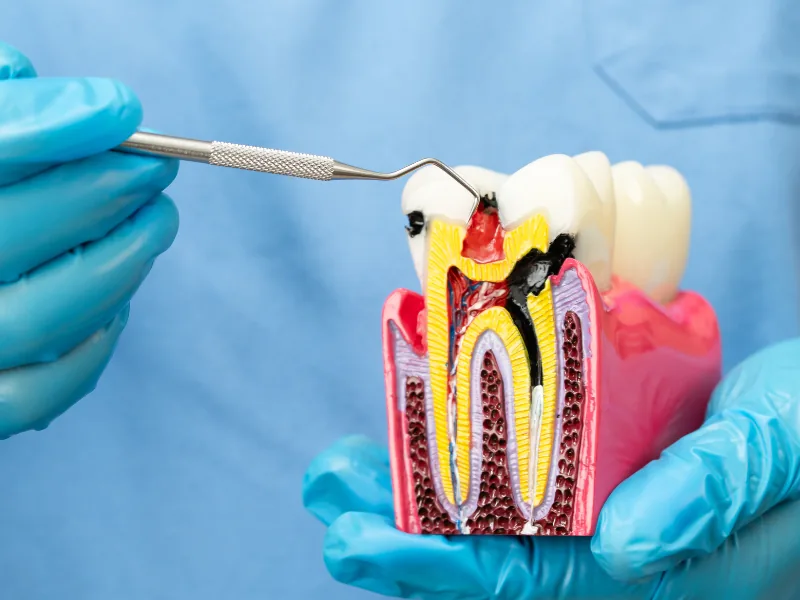
The Recovery Process After Endodontic Treatment
Mild sensitivity after the procedure is considered normal, since the tissues surrounding the root may have been stimulated during endodontic treatment. This usually eases within a short time, and most patients return quickly to their daily life after endodontic treatment.
Protecting the tooth is important during the recovery period, and it is recommended to avoid hard foods until the restoration is complete. With proper care, a tooth that has undergone endodontic treatment can continue to function for years. Research shows that teeth can remain in the mouth for a long time when endodontic treatment is carried out correctly.
The Advantages of Endodontic Treatment and Its Role in Preserving the Tooth
The main reason for choosing endodontic treatment over extraction is the preservation of natural tissue. A natural tooth transmits chewing forces more evenly, which means endodontic treatment supports jaw health in the long term.
There is also no aesthetic loss, and the need for an implant or bridge may be reduced. From a cost perspective, endodontic treatment is a more conservative solution compared with more extensive restorations. Because it maintains biological integrity, endodontic treatment is seen as one of the cornerstones of contemporary dentistry.
Common Misconceptions About Endodontic Treatment
Various myths circulate about endodontic treatment. The most common belief is that the procedure is very painful. In reality, thanks to modern anaesthetic techniques, endodontic treatment is often just as comfortable as having a filling done.
Another misconception is that teeth that have had endodontic treatment break quickly. Teeth strengthened with a suitable restoration can be used for a long time. Scientific evidence shows that success rates are quite high following properly planned endodontic treatment. For this reason, endodontic treatment is a reliable approach.
The Endodontic Treatment Approach at Doctor Afra
Doctor Afra combines digital imaging, magnification systems, and sterilisation protocols in endodontic treatment procedures. This makes endodontic treatment more controlled and precise.
Individual planning is essential at the clinic. Every patient is assessed separately, and endodontic treatment is shaped according to their personal needs. This approach increases comfort and supports treatment success. Thanks to modern equipment, the endodontic treatment process proceeds both quickly and carefully.
Endodontic Treatment Outcomes and Long-Term Durability
Long-term observations show that teeth can remain healthy for years following correctly performed endodontic treatment. When the canal filling provides a proper seal, bacterial entry is prevented, increasing the success of endodontic treatment.
Endodontic treatment, supported by regular check-ups, provides a functional lifespan for the tooth. For this reason, endodontic treatment is not just a procedure, but an important part of a tooth-preservation strategy. Keeping the natural tooth in the mouth is always the most valuable option, and endodontic treatment serves this goal.
In summary, endodontic treatment is a scientific and well-planned procedure aimed at preserving the tooth without extraction. With an accurate diagnosis, an appropriate technique, and an experienced team, endodontic treatment becomes a safe option. Doctor Afra's approach aims to make endodontic treatment both comfortable and sustainable, allowing patients to preserve their natural teeth and continue enjoying a healthy smile.
Book an appointment for your smile
Get in touch with us for your questions and treatment options.