
How to Prevent Tooth Decay in Children
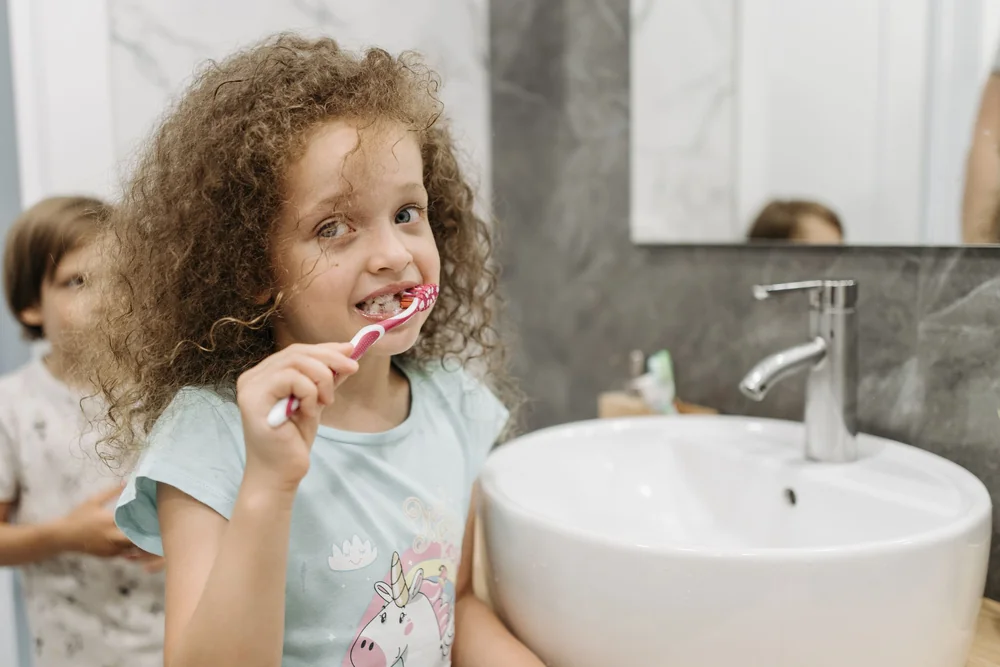
Tooth decay is one of the most common childhood health problems worldwide — and it is largely preventable. The idea that "baby teeth will fall out anyway" unfortunately paves the way for early cavities in many families. In reality, the health of primary teeth directly affects your child's nutrition, speech development, the alignment of permanent teeth and even their self-confidence. In this article, we look step by step at why cavities develop in children and the preventive habits you can build into daily life.
Why Are Baby Teeth So Important?
Baby teeth may be temporary, but the jobs they do are not. First among them is space maintenance: each primary tooth holds the place of the permanent tooth that will erupt beneath it. If a baby tooth is lost early because of decay, neighbouring teeth can tilt into the gap, the permanent tooth may struggle to find room, and orthodontic problems can follow later on.
Primary teeth are also essential for chewing and nutrition; painful or decayed teeth can make it harder for a child to eat well and stay properly nourished. In addition, producing certain sounds correctly depends on the front teeth being in place, so early tooth loss can also affect speech development. In short, caring for baby teeth is an investment in the permanent teeth to come.
Bottle Caries: A Risk That Starts in Infancy
Bottle caries is a fast-progressing form of decay that develops when babies fall asleep — especially at night — with a bottle of milk, formula or sweetened drinks. Because saliva flow drops during sleep, the milk sugar left on the teeth becomes a long-lasting food source for cavity-causing bacteria. The damage usually starts on the upper front teeth and is often already advanced by the time it is noticed.
To reduce this risk, you can follow these steps:
- Try not to let your baby fall asleep with a bottle; after the last feed before sleep, wipe the gums and teeth with a clean, damp cloth.
- If a night feed is unavoidable, aim to offer only water in the bottle.
- Avoid dipping the pacifier in honey, molasses or sugar.
- Start planning the switch from bottle to cup around the first birthday.
With Sugar, the Real Issue Is Frequency, Not Amount
For dental health, what matters is less the total amount of sugar consumed and more how often the teeth come into contact with it. After every sugary snack or drink, acid levels in the mouth rise, and it takes roughly half an hour to an hour for the enamel to recover. The teeth of a child who snacks on sugar throughout the day are under an almost continuous acid attack.
For this reason, rather than spreading sweets across the day, it is a sounder approach to offer them right after main meals. Between meals, tooth-friendly options such as water, milk, cheese, vegetables and age-appropriate nuts can take centre stage. Fruit juices, fizzy drinks and sticky sweets such as gummies and caramel stay on the teeth longest and carry the highest risk. If you would like a closer look at how cavities form, see our article on how tooth decay develops and how it can be stopped.
Brushing and Toothpaste Amounts by Age
The brushing habit should begin as soon as the first tooth erupts, while the amount of fluoride toothpaste is adjusted according to age.
Ages 0–3: A grain of rice
From the moment the first tooth appears, brush gently twice a day with a soft-bristled baby toothbrush and a rice-grain-sized smear of fluoride toothpaste. This small amount is set with current recommendations in mind, within limits considered safe even if the child swallows the paste.
Ages 3–6: A pea-sized amount
In this period the amount can be increased to the size of a pea. Even once your child has learned to spit, brushing should always be supervised by a parent, with gentle reminders not to swallow the paste.
Age 6 and beyond
Until fine motor skills are sufficiently developed — usually around age 7–8 — it is advisable for a parent to finish or check the evening brushing. If you are unsure about toothpaste choices, our articles on whether toothpaste should contain fluoride or not and what to look for when choosing a toothpaste can help guide you.
Fluoride Applications and Fissure Sealants
Alongside home care, preventive treatments applied in the clinic can noticeably reduce the risk of decay. Fluoride varnish is a short, painless application that strengthens the enamel against acid attacks; how often it is applied is decided by your dentist based on your child's individual caries risk.
Fissure sealants, in turn, involve covering the deep grooves and pits on the chewing surfaces of the molars with a flowable protective material. These areas, which toothbrush bristles cannot reach, are the most decay-prone surfaces in the mouth; sealants applied especially after the six-year molars erupt can considerably lower the likelihood of cavities forming there.
Regular Dental Check-ups
The recommended time for the first dental visit is after the first tooth erupts and no later than around the first birthday. Meeting the dentist early means potential problems are caught while they are small, and it helps the child come to see the clinic as a familiar place rather than something to fear. For more on this first visit, you can read our article on a child's first dental examination.
After that, a check-up every six months is generally recommended, although your dentist may tailor this interval to your child's caries risk. Regular visits also make it possible to manage early-stage decay without the need for fillings.
Practical Tips for Parents
At the end of the day, what shapes your child's dental health is a set of small but consistent habits:
- Make brushing twice a day, for two minutes a family routine; brush together and be a role model.
- Keep sugary foods to the end of meals, and choose water and tooth-friendly snacks in between.
- Do not let spoons, pacifiers or bottles touch your own mouth; cavity-causing bacteria can pass to the baby through saliva.
- Once the teeth begin to touch each other, add flossing to the routine on your dentist's advice.
- Do not turn brushing into a punishment or a bargaining chip; make it enjoyable through play.
- Put the six-monthly check-up appointments in the calendar and try not to skip them.
The information in this article is intended for general guidance only; a clinical examination is required for an individual diagnosis and treatment plan.
Frequently Asked Questions
Should a cavity in a baby tooth be treated?
Yes. Cavities left with the thought that "the tooth will fall out anyway" can lead to pain, infection and early loss of the primary tooth — which in turn can affect the health and alignment of the permanent tooth beneath it. Decay caught early can often be managed with simpler approaches.
My child swallows toothpaste; should I still use a fluoride paste?
The current approach is to use an age-appropriate amount of fluoride toothpaste from the very first tooth: a rice-grain-sized smear up to age three, and a pea-sized amount after that. These quantities are recommended with possible swallowing in mind; even so, the most accurate guidance will come from the dentist who examines your child.
Does every child need fissure sealants?
Fissure sealants are a preventive option that stands out particularly for children with deeply grooved molars and a higher risk of decay. Whether they are needed for your child is decided together during the examination, taking into account tooth anatomy, eating habits and the level of daily oral care.