
Should Baby Tooth Decay Be Treated? How Is It Treated?
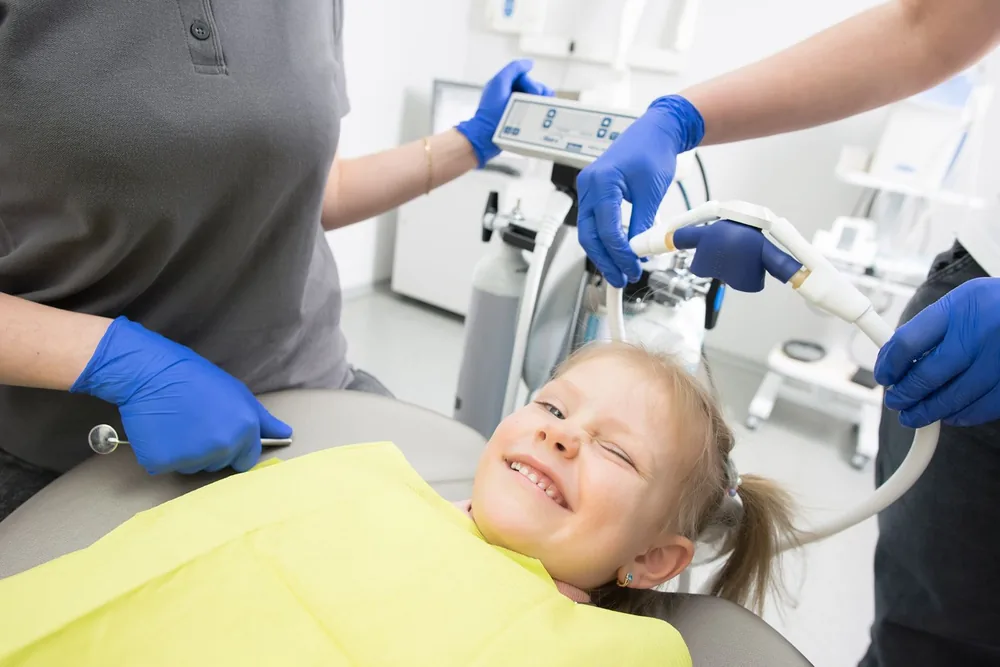
One of the most common things heard in pediatric dentistry is: "It's going to fall out anyway, is it worth the trouble?" The fact that baby teeth are temporary doesn't mean their cavities are unimportant. Baby teeth don't just handle chewing; they hold the space for the permanent teeth developing beneath them and support speech development. In this article we look at why cavities in baby teeth need treating, which treatment options are used, and what can happen if treatment is postponed.
Why Do Baby Teeth Matter?
- Space maintenance: Each baby tooth reserves space for the permanent tooth developing under it. If it is lost early, neighboring teeth can drift into that space.
- Chewing and nutrition: Painful or badly damaged teeth make chewing harder and can affect a child's eating habits.
- Speech development: The front baby teeth in particular play a role in producing certain sounds correctly.
- Protecting the permanent tooth bud: An advanced infection in a baby tooth can affect the permanent tooth germ developing directly beneath it.
What Happens If Decay Isn't Treated?
Because the enamel layer is thinner, decay in a baby tooth can progress faster than in a permanent tooth. Left untreated, it can lead to pain, waking at night, difficulty chewing and, over time, an abscess in the gum. In cases where the infection has advanced, the tooth may need to be extracted; when a tooth is lost early, a space maintainer is usually planned for the resulting gap.
How Is Decay in a Baby Tooth Treated?
Filling
If the decay is limited to the enamel and dentin, the decayed tissue is removed and the cavity is filled with a tooth-colored material. In children, composite fillings or fluoride-releasing glass ionomer materials are often preferred.
Pulp Treatment (Pulpotomy)
If the decay has reached the inner tissue of the tooth (the pulp), the affected portion is removed and the remaining tissue is protected with a suitable material. This approach, used in baby teeth, aims to keep the tooth in place until it naturally falls out.
Pediatric Crown
If too much tooth structure has been lost for a filling, a prefabricated crown can be placed over the tooth. This allows the tooth — particularly a back baby molar — to keep functioning for chewing.
Extraction and Space Maintainer
If the tooth cannot be saved, extraction comes into consideration. In that case, a space maintainer is evaluated to preserve the area where the permanent tooth will erupt.
Helping a Child Cope with Treatment
In younger children, the success of treatment also depends on how well the child copes with the procedure. Short appointments, a familiar environment and positive language are enough for most children. Where cooperation isn't possible, many teeth are affected, or the child has special needs, the dentist may discuss treatment under sedation or general anesthesia together with the family.
Prevention Is Easier Than Treatment
Regular brushing, reducing how often sugary snacks are eaten, and six-monthly check-ups noticeably lower the risk of decay. For preventive procedures, see our article on fissure sealants and fluoride application, and for general guidance, how to prevent tooth decay in children.
Two Common Questions
Should a baby tooth that's about to fall out still be treated? The dentist assesses when the tooth is due to be lost using a radiograph. A tooth close to falling out that isn't causing any symptoms may simply be monitored — but that decision comes from an examination.
Can decay in a baby tooth affect the permanent tooth? In advanced infections, the permanent tooth germ developing beneath it can be affected. This is why signs of infection shouldn't be ignored.
Summary
Cavities in baby teeth need treating even though the teeth are temporary, because these teeth hold space for the permanent teeth and support functions like chewing and speech. Treatment ranges from fillings to pulp treatment, pediatric crowns, or extraction with a space maintainer, depending on how deep the decay is. The best approach is catching decay early through regular check-ups.
This article is intended for general information purposes. A dental examination is required to determine the right treatment for your child.