
What Is Composite Bonding? A Minimally Invasive Cosmetic Approach
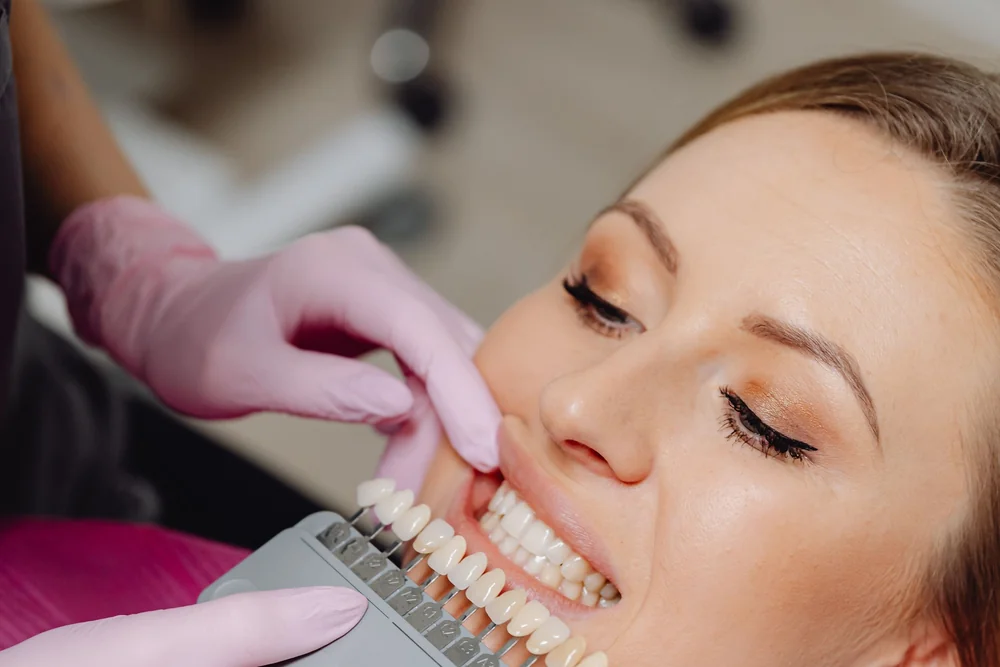
A small chip that bothers you every time you smile, a gap between the front teeth, or edges worn down over the years can often be corrected without extensive crown work. Composite bonding is a minimally invasive cosmetic approach that addresses these issues with an aesthetic resin bonded directly to the tooth, usually in a single visit. In this article we look at what composite bonding is, when it is considered, how it compares with veneers and crowns, and how to care for it afterwards.
What Is Composite Bonding?
Composite bonding is the layering of a tooth-coloured composite resin onto the tooth surface, where it is sculpted by hand and hardened with a curing light. The material is a highly polishable, shade-rich version of the composite familiar from restorative dentistry; in that sense it belongs to the same family as a composite filling, but the aim here is to improve the tooth's shape, colour and surface integrity rather than to treat decay.
The defining feature of bonding is that it requires no or only minimal tooth preparation. In most cases healthy enamel is left almost untouched; the surface is merely conditioned lightly before the adhesive agent is applied. This makes the procedure largely reversible, and for many patients no anaesthetic is needed at all.
When Is It Considered?
With the right case selection, composite bonding has a remarkably wide range of uses. In our clinic we most often consider it in the following situations:
- Chipped and fractured edges: repairing small fractures caused by trauma or hard foods
- Diastema closure: cosmetically narrowing gaps between the front teeth
- Worn incisal edges: reshaping edges that have shortened or become uneven over time
- Colour irregularities: masking localised discolouration that does not respond to whitening
- Shape and size refinements: harmonising small or asymmetric teeth with the smile line
Not every gap or fracture is suitable for bonding; the bite relationship, the width of the gap and the condition of the tooth tissue are evaluated together during the examination.
How Does the Procedure Work, Step by Step?
Planning and Shade Selection
The process starts with a smile analysis. In more comprehensive cosmetic plans, digital smile design (DSD) can be used to visualise the intended shape in advance. A resin shade matching the natural tooth is then selected; when needed, several shades are layered to achieve a natural transition.
Surface Preparation and Application
The tooth surface is cleaned, lightly conditioned and coated with an adhesive agent. The composite resin is placed in thin layers; each layer is cured with a special light and sculpted towards the planned form.
Finishing and Polishing
Finally the bite is checked, the surface is refined and polishing creates a smooth texture that approaches the lustre of natural enamel. For a single tooth, the procedure usually takes 30–60 minutes.
Bonding, Veneers or Crowns?
One of the questions our patients ask most often concerns the difference between bonding and a porcelain crown or laminate veneer. Three points of comparison stand out:
Durability
Porcelain-based restorations are generally more resistant to wear and fracture than composite and tend to offer a longer service life. Composite bonding, on the other hand, can serve for years with regular check-ups, and minor damage can usually be repaired rather than fully replaced.
Staining
Porcelain surfaces are less affected by staining foods and drinks. Composite may look dull or discoloured over time, but this can largely be managed with periodic polishing sessions.
Reversibility and Tooth Structure
Veneers and crowns require some degree of tooth preparation in most cases, whereas bonding preserves the enamel to a great extent. If you are weighing up materials, our article zirconia or porcelain laminate? may help you compare the options.
Who Might It Suit?
Bonding tends to stand out for the following profiles:
- Patients needing small to moderate cosmetic corrections in the front teeth
- Those who wish to avoid tooth preparation and prioritise preserving their natural tissue
- Patients who would like a result in a single visit
- Younger patients, since porcelain restorations are usually postponed while dental development continues
For patients with pronounced clenching or grinding habits (bruxism), deep bite relationships or very wide gaps, other options may come to the fore. Sequencing also matters when a brighter shade is the goal: because composite does not lighten afterwards, any planned teeth whitening is preferably completed before bonding.
Caring for Bonding Afterwards
How long the composite keeps its appearance depends largely on daily habits:
- Consume staining foods and drinks such as coffee, tea and dark-coloured beverages in moderation, and rinse with water afterwards
- Stay away from tobacco products, which accelerate discolouration on composite surfaces
- Avoid habits such as biting pens, nail biting or opening packaging with your teeth
- Brush twice a day and keep flossing; choose a standard fluoride toothpaste rather than abrasive whitening pastes
- Refresh the surface lustre with a check-up and polishing session every 6–12 months
Advantages and Limitations
In summary, the strengths of bonding are that it can be completed in a single visit, preserves tooth structure, is repairable and is more accessible in cost than porcelain alternatives. Its limitations are a shorter average service life compared with porcelain, a surface more prone to staining, and the fact that it may fall short where larger volumes of tooth structure are missing. Which approach suits you can only be clarified through a clinical examination and bite analysis.
The information in this article is intended for general educational purposes; a clinical examination is required for a personalised diagnosis and treatment plan.
Frequently Asked Questions
How long does composite bonding last?
Depending on habits, bite relationship and care routine, composite bonding can typically function for around 4–8 years. Regular check-ups and polishing sessions have a positive effect on this lifespan, and minor wear can often be repaired in the same visit.
Is the bonding procedure painful?
Since most bonding applications involve no tooth preparation, no anaesthetic is needed and the procedure is comfortable. For deeper fractures or sensitive teeth, local anaesthesia can be used for added comfort.
Can my teeth be whitened after bonding?
Whitening gels lighten natural tooth tissue but do not change the colour of composite. If whitening is planned, it is preferable to whiten first and then apply bonding matched to the new shade.