
Why Do Teeth Turn Yellow? Causes of Tooth Discoloration
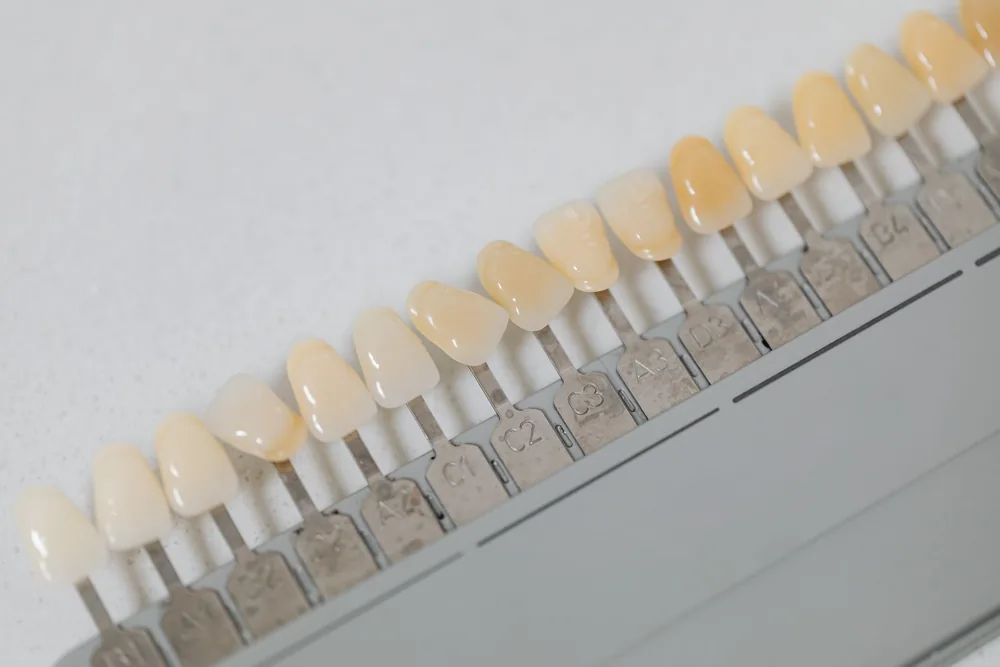
Change in tooth color over time is one of the most frequently raised concerns in aesthetic dentistry. But "yellowing" doesn't have a single cause: some discoloration accumulates on the tooth surface, while some originates from inside the tooth. This distinction also determines which approach will work. In this article we look at what determines tooth color and what causes it to change.
What Determines Tooth Color?
The enamel layer covering the outer surface of the tooth is semi-translucent; the actual color is largely determined by the dentin underneath it. Dentin naturally has a yellowish tone. As enamel thins or becomes more translucent, the dentin beneath shows through more — which is why "white teeth" really means a natural range of tones that varies from person to person.
Extrinsic Discoloration
Caused by colored substances accumulating on the tooth surface, and generally more superficial:
- Staining drinks such as coffee, black tea and red wine
- Cigarettes and tobacco products
- Strongly colored spices and certain foods
- Long-term use of chlorhexidine mouthwash
- Uncleaned plaque and tartar buildup
A portion of this type of discoloration can be noticeably reduced with professional dental scaling and surface polishing.
Intrinsic Discoloration
Originates from changes within the tooth structure and cannot be removed by surface cleaning:
- Aging: Enamel thins over time, dentin thickens, and the tone naturally darkens.
- Trauma: Bleeding within the inner tissue of a tooth that has taken a knock can cause it to turn gray over time.
- Root-canal-treated teeth: Discoloration can occur in teeth that have lost their vitality.
- Fluorosis: White or brown mottling caused by excessive fluoride intake during development.
- Certain medications: Tetracycline-group antibiotics used during tooth development can cause lasting discoloration.
Which Discoloration Responds to Whitening?
Extrinsic discoloration and natural age-related darkening generally respond well to whitening procedures. In intrinsic discoloration caused by trauma or tetracycline, results can be limited; in these cases the dentist may consider approaches targeting a single tooth, or restorative options such as laminate veneers. For the method used in the clinic, see in-office whitening, and for at-home options, at-home whitening. You can also see our teeth whitening page for general information.
Slowing Discoloration Down
- Rinsing with water after staining drinks
- Drinking coffee and tea through a straw (especially cold drinks)
- Quitting or cutting down on smoking
- Keeping up daily brushing and flossing habits
- Having professional cleaning at regular intervals
For detailed advice on maintaining color after whitening, read our article on care after whitening.
Two Common Questions
Can every tooth be the same shade of white? No. Natural tooth color varies from person to person, and there are slight tonal differences between teeth within the same mouth; the target result is set according to a person's natural tonal range.
Does whitening damage enamel? Applied under a dentist's supervision at an appropriate concentration and duration, whitening is a widely used method. Uncontrolled and frequently repeated applications can cause sensitivity and gum irritation.
Summary
Tooth color is determined by enamel thickness and the dentin tone beneath it. Extrinsic discoloration from coffee, tea and smoking is superficial and responds well to cleaning and whitening; intrinsic discoloration from trauma, medication or fluorosis may see more limited results. Identifying the source of discoloration is what makes choosing the right approach possible.
This article is intended for general information purposes. A dental examination is required to determine the cause of discoloration.