
What Is Gum Aesthetics (Pink Aesthetics)? Methods and Applications
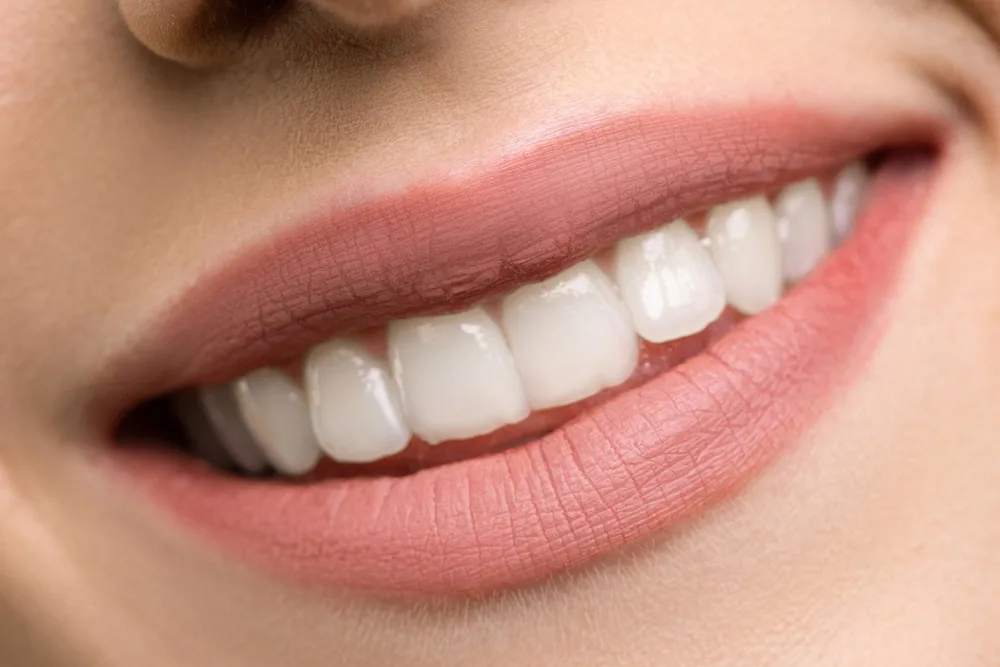
How a smile is perceived isn't only about the color and alignment of the teeth. The level, symmetry and color of the gum tissue framing those teeth also play a decisive role in how natural the result looks. In dentistry, the teeth are referred to as "white aesthetics" and the gum tissue as "pink aesthetics." In this article we look at what gum aesthetics means, when it comes into consideration, and which methods are used.
What Are Pink Aesthetics?
Pink aesthetics is the field concerned with the position, contour, thickness and color of the gum tissue. In an ideal smile, the gum line is in proportion with the size of the teeth, symmetrical between the two sides, and fills the triangular spaces between the teeth. When this harmony is disrupted, the smile can look unbalanced even when the teeth themselves are flawless.
When Does It Come into Consideration?
- A gummy smile: Too much gum showing when smiling; see our article on gummy smile for detail.
- An asymmetric gum line: Different gum levels across teeth can make them appear different lengths.
- Gum recession: Exposed root surfaces can cause both aesthetic and sensitivity concerns.
- Gum discoloration: A darker appearance caused by melanin accumulation.
- Teeth that look short: Gum tissue covering part of the tooth.
The Methods Used
Crown Lengthening (Gingivectomy / Gingivoplasty)
Reshaping the gum tissue that covers too much of the tooth — together with the underlying bone level where needed. The aim is for the teeth to reach their natural proportions and for the gum line to become symmetrical.
Gum Grafts
Used to cover root surfaces exposed by recession or to reinforce thin gum tissue. You can find details on the methods and healing process in our article on gum grafting for recession.
Gum Depigmentation
For dark gum appearance caused by melanin accumulation, these procedures aim to remove the pigmented surface layer. Results vary from person to person, and some degree of pigmentation returning over time is possible.
Integrated Planning
Gum aesthetics is usually planned together with restorative or orthodontic treatment rather than on its own. Digital smile design can be used to visualize the whole smile in advance; in cases where veneers are planned, the laminate veneer stage is completed after the gum has been contoured. For comprehensive smile planning, see our Hollywood Smile page.
Gum Health Comes First
Before any aesthetic procedure is planned, the gum tissue needs to be healthy. Where there is active inflammation, tartar buildup, or untreated gum inflammation, the priority is treating those conditions — otherwise maintaining the aesthetic result becomes difficult.
The Healing Process
Depending on the method used, it can take from a few weeks to a few months for the gum tissue to settle into its final shape. Keeping up the recommended oral care and attending follow-up appointments during this period is decisive in maintaining the result long-term.
Two Common Questions
Is the procedure painful? These procedures are performed under local anesthesia. Mild sensitivity for a few days afterward is normal; the aftercare instructions your dentist gives will make this period easier.
How long is the result maintained? Gum health is closely tied to daily care habits and regular check-ups. Neglected oral care can cause the result achieved to change over time.
Summary
Gum aesthetics deals with the level, symmetry and color of the tissue that forms the pink frame of a smile. Crown lengthening, grafting procedures and depigmentation are the main methods, and in most cases they're handled together with restorative or orthodontic planning. In every case, the first requirement is healthy gum tissue.
This article is intended for general information purposes. A clinical examination is required to determine the right approach for you.